Dispatch: The Commonsverse and Situated Organisations – or why the era of big institutions will come to an end
In the first in a series of dispatches from the School of Common Knowledge, which took place in Zagreb and Ljubljana in May 2024, researcher Denise Pollini reflects on the proposition and practices of Situated Organisations.
The Navel
Reflecting on the six intense days of meetings, debates, conferences and workshops organised by L’Internationale under the title ‘School of Common Knowledge’ I keep returning to the idea of the centre of the world as put forward in the myth the ‘navel of the world’. The myth appears in several mythologies, and it is particularly prevalent in Greek mythology. The ‘Omphalos’ (navel), located in the city of Delphi, had its origins in the story of Zeus throwing two eagles into the sky in opposite directions from both ends of the earth. The eagles crossed paths in Delphi, which Zeus declared to be the navel of the world, and where throughout antiquity people from several Greek city-states went to consult the oracle. The pilgrimage extended from the 7th century BCE until the 4th century A.D. when the Christian emperor Theodosius I banned pagan practices and closed the ancient temples.
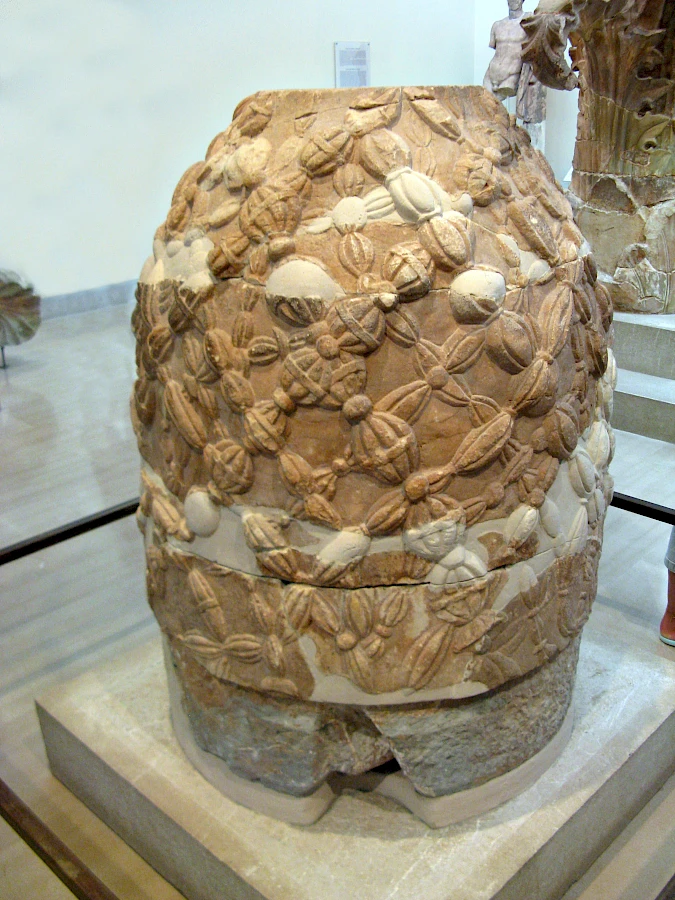
Omphalos, c. 323 BCE, Delphi Museum. Public domain
It might seem anachronistic to recall the Omphalos in the hyper-globalised world of 2024, and in relation to the concept of ‘Situated Organisations’ – one of the central themes of the group’s discussions (and quests) during those six days. But perhaps it is precisely from this principle of paradoxical articulation, between the importance given to the local (as the navel) and the connections built with the global that we can understand the potential of Situated Organisations, which I felt so strongly in the meetings and visits during the SCK.
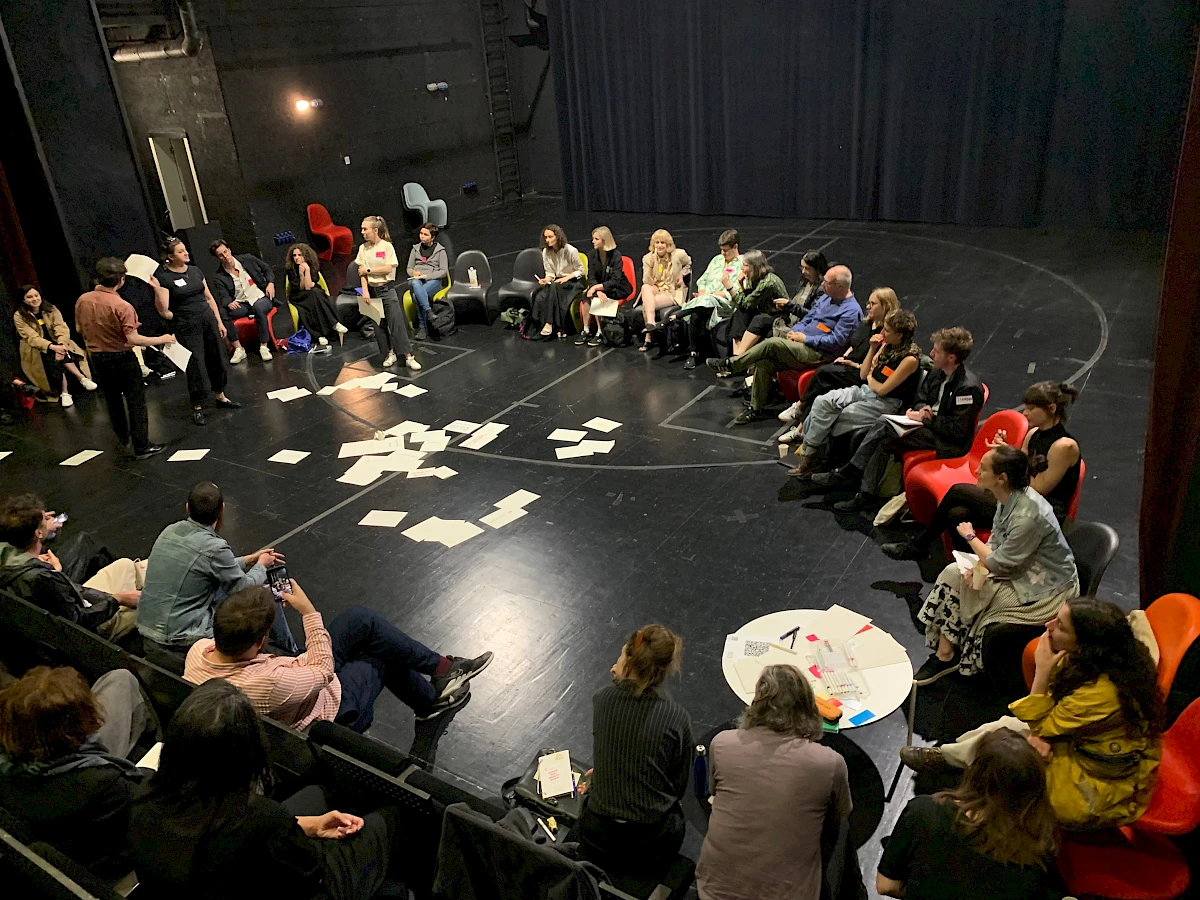
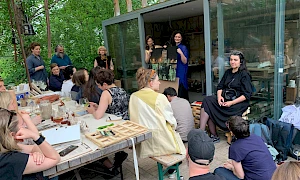
Workshop held at the Museum of Contemporary Art in Zagreb (MSU), one of the institutions that hosted the programme ‘School of Common Knowledge’, Photo: Denise Pollini
Situated Organisations
During the SCK we met, got in touch, and reflected on the activities of a number of Situated Organisations in Croatia, Slovenia and across the Balkans:
Pykë-Presje – an independent publishing house and cultural space in Prizren, Kosovo.
Živi Atelje DK – a collective space and atelier in Zagreb, open to the city’s community in general.
BLOK – a curatorial collective founded in 2001 and based in the Trešnjevka neighbourhood in Zagreb. Engaged in an articulated resistance against the neoliberal condition, they started the ‘Political School for Artists’ in 2016.
What, How & for Whom/WHW – a collective curatorial endeavour based in Zagreb, Vienna and Berlin that has existed since 1999.
Crvena (Association for Culture and Art) – an association in Sarajevo that organises, among other activities, the ‘Nona Residence’, a residency for artists based on an informal structure of affinities and affections.
Center for Contemporary Culture KRAK – an independent space deeply committed to the city of Bihać in Bosnia and Herzegovina.
ISU – Institute for Contemporary Art – a fluid collective association that develops research, archival practices and educational programmes in Cetinje, Montenegro.
Krater – an initiative in Ljubljana that emerged from the occupation of a forgotten space, an old construction site that, thanks to the collective’s work, is now dominated by vegetation that dialogues and interconnects with the artistic production they develop.
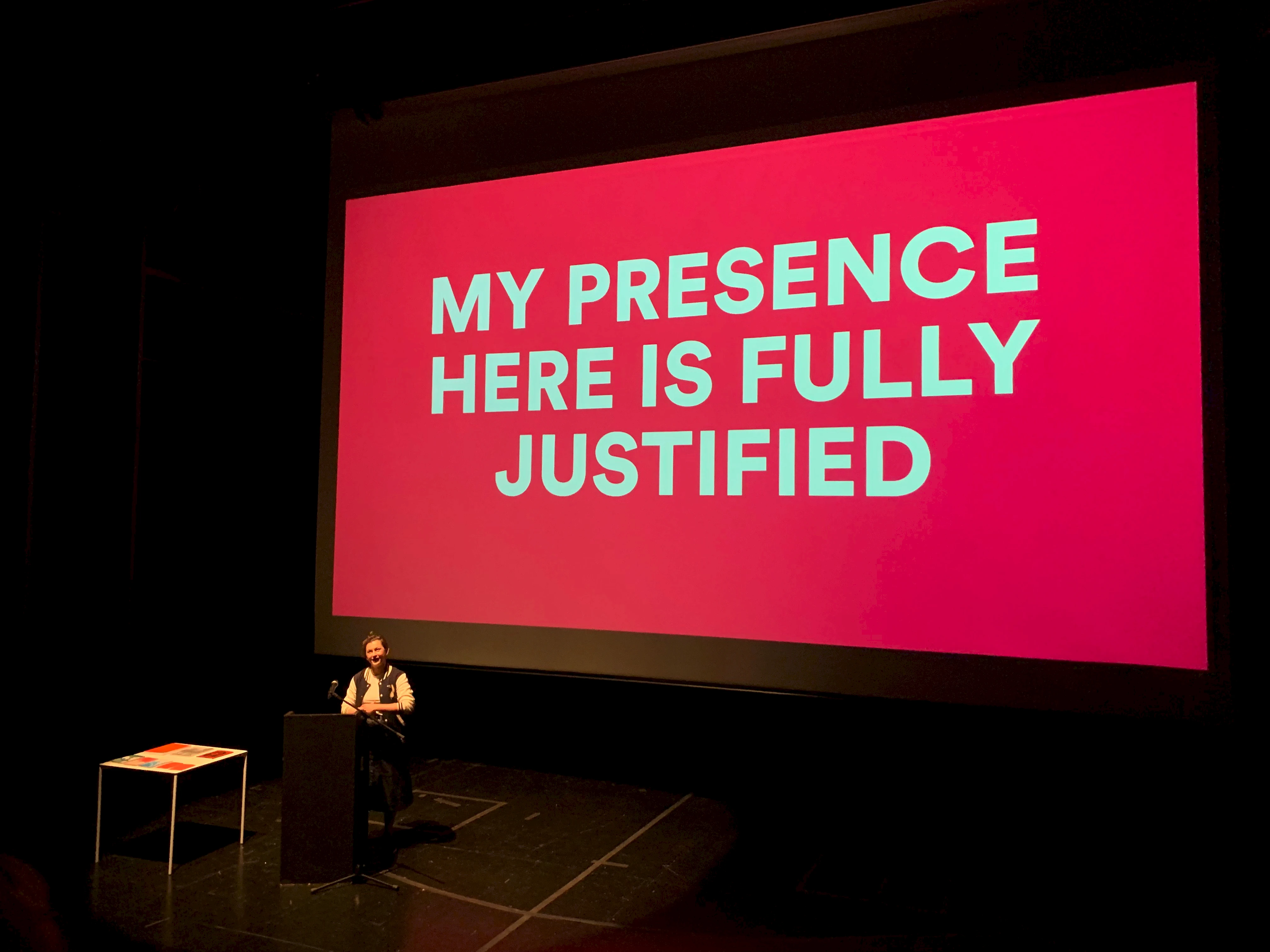
Presentation of the Association Crvena at the MSU – Zagreb. Photo: Denise Pollini
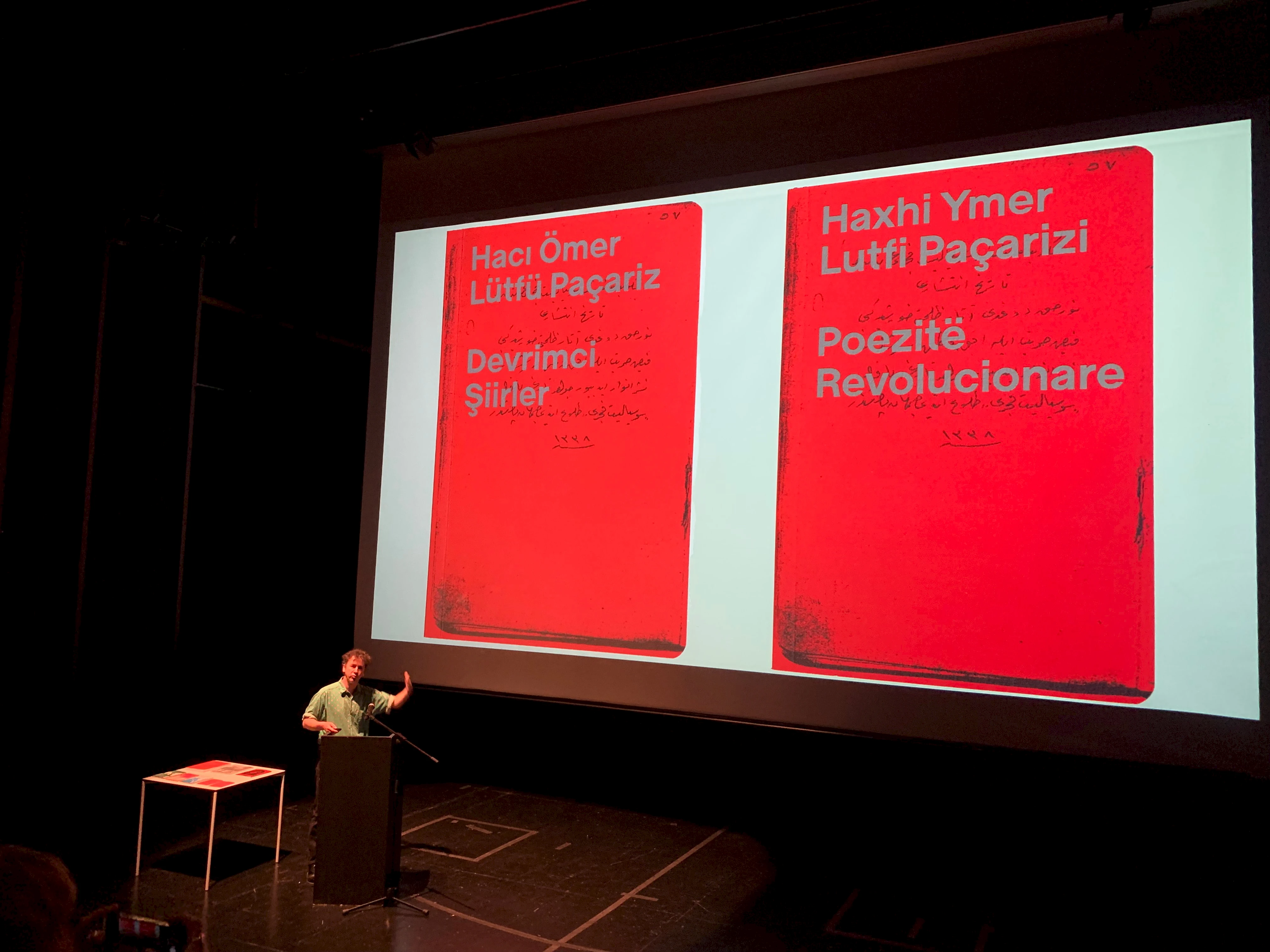
Presentation of the independent publishing house Pykë-Presje at the MSU – Zagreb. Photo: Denise Pollini
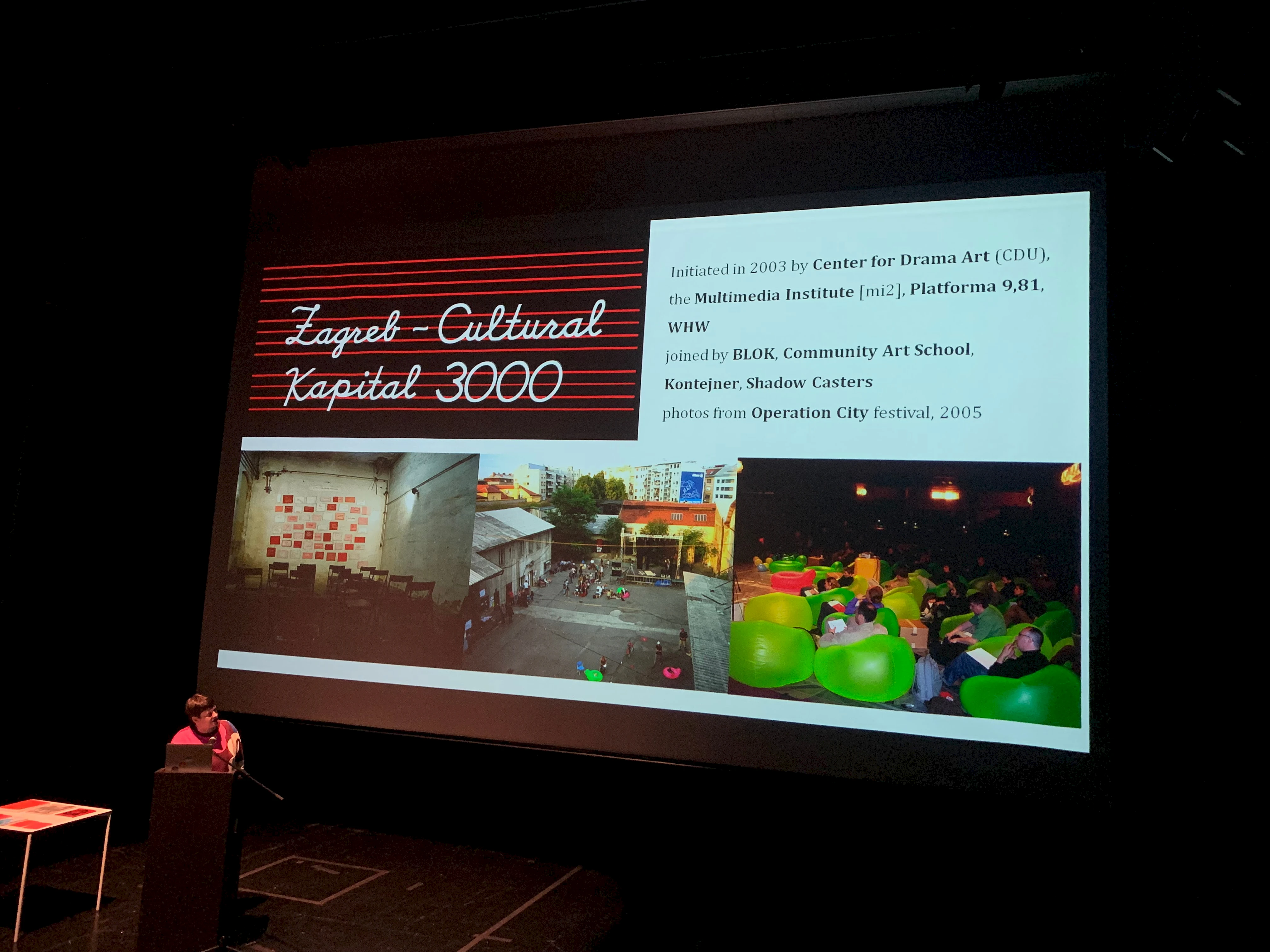
Presentation of the curatorial collective What, How & for Whom/WHW at the Museum of Contemporary Art in Zagreb. Photo: Denise Pollini
The Commonsverse and the End of Bloated Institutions
The commons movement, which gained traction in the 1990s, galvanised across the world in resistance to ‘Enclosures’: appropriations and expropriations that intensified in the last decades of the 20th century within the dynamics of neoliberalism.1 The so-called ‘Commonsverse Movement’ could be understood through designer Thomas Lommée’s phrase: ‘The next big thing will be a lot of small things’.2
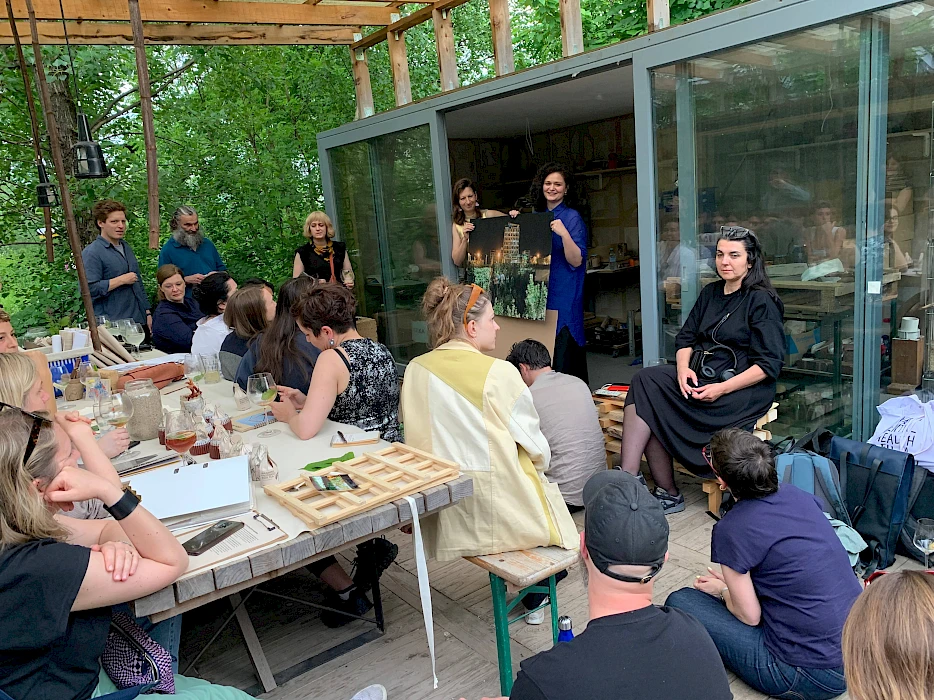
Visit to the transdisciplinary space Krater in Ljubljana. Photo: Denise Pollini
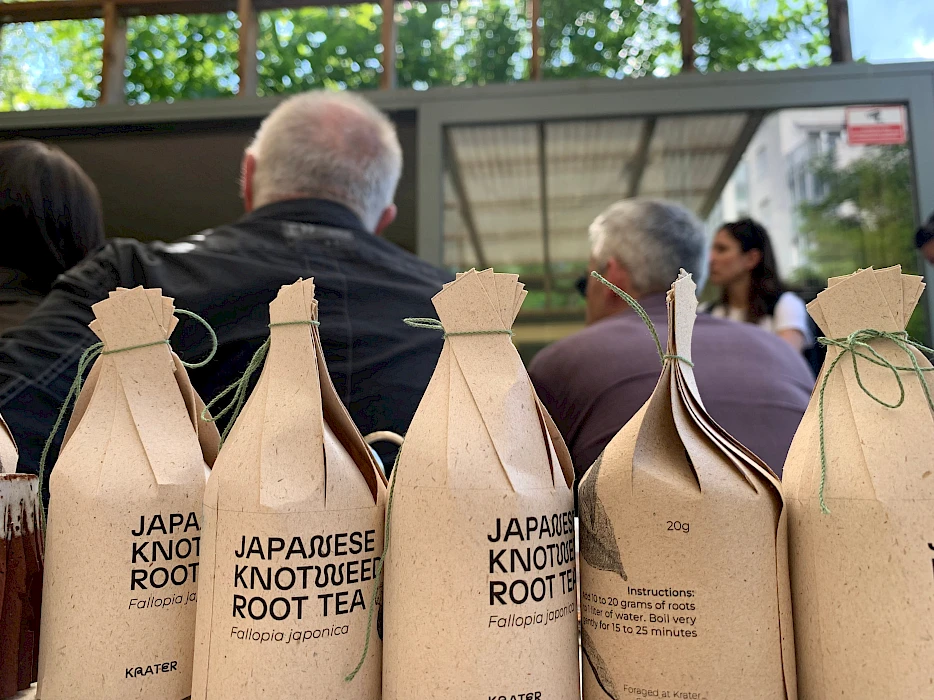
Transdisciplinary space, Krater, in Ljubljana (detail). Photo: Denise Pollini
The period since the 1990s is marked by the expansion, enlargement, and even swelling of major cultural institutions.3 It is not by chance that this ‘movement’ coincides with the assimilation, by many museums and cultural institutions, of management principles dictated by market logic.
Today, museums are everywhere, and the bigger ones are huge enterprises. Some scholars and museum professionals facing the challenge of defining these enormous and tentacular undertakings call them the ‘museum-industrial complex’ (Preciado, 2017), ‘hybridized hypermodern organizations’ (Prior, 2003), ‘museum-as-factory’, ‘flagship store of Cultural Industries’ (Steyerl, 2012) and ‘Necromuseo’ (Preciado, 2017). Or as Manuel Borja-Villel wrote: ‘The museum, the ancient temple of the muses, idealised and idealising, has become a space of consumption and consensus’ (Borja-Villel, 2016).
The affinity with market logic established in many museums around the world has caused an ‘identity crisis’ in these institutions, which found themselves torn between social commitment on the one hand and the demands of market rules on the other. At some point many institutions became detached from their communities, failing to address their most pressing concerns. Many have become distanced from their local reality, rather ‘targeting’ what they loosely term ‘a broader public’.
The idea of Situated Organisations works against this current. For these institutions and associations, the local is the ‘navel of the world’ from which the reason and power of their existence emanates. In this sense, Situated Organisations offer an alternative path to cultural practice by proposing a new aesthetic of participation. Their ties to the community are continually renegotiated, and their relevance extends miles from the so-called ‘cultural industries’. The deep connection with local reality is the driving force of its activities and a propulsive mechanism from which further ramifications, translated into extra-local partnerships, develop. It is specifically in the articulation of the local as the navel, the centre of the world, that unprecedented connections occur within those spaces, and sometimes as well, connections are established much further away, linking diverse contexts.
When those connections are born from specific, yet common interests, the results dare to be free and become sustainable in ways that the public programmes from traditional cultural institutions and museums can no longer achieve, whose relationships have been frayed by the need to serve too many masters, like the story of the Harlequin who himself served two masters,4 running frantically between the two, sometimes forgetting which he was serving. On the other hand, the political potential of Situated Organisations rests in forging lasting connections, and the relationship they materialise between purpose and action. In this way, as we heard in Zagreb and Ljubljana, they can serve as a model for the construction of a new cultural dynamic.
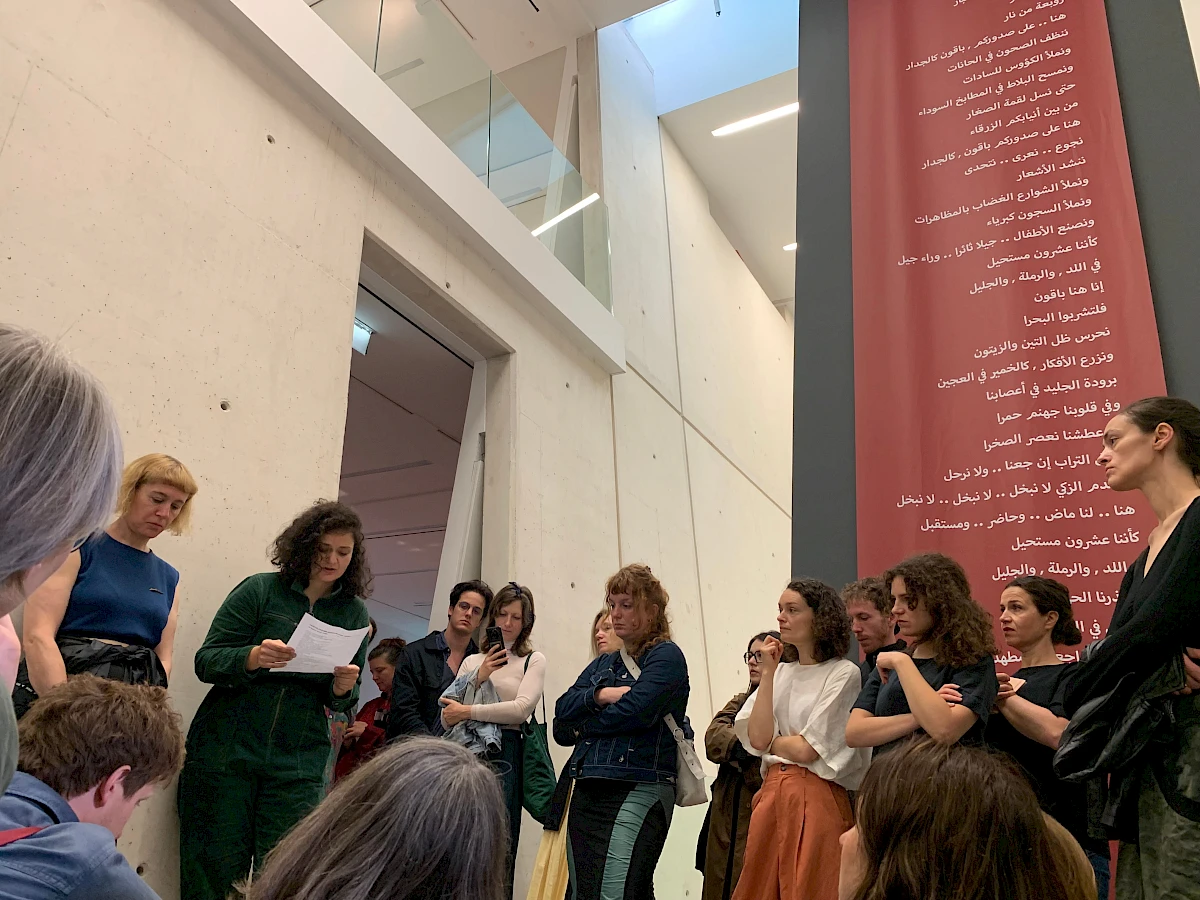
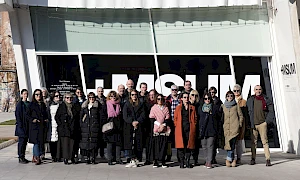
Reading carried out by the group formed within the scope of SCK at the exhibition ‘Constellations of Multiple Wishes: Along the Eastern Horizont’ at the Museum of Contemporary Art Metelkova +MSUM. Photo: Denise Pollini
References:
Lauren Berlant, ‘The Commons: Infrastructures for Troubling Times’, Environment and Planning D: Society and Space, vol. 34(3) 393–419, 2016.
David Bollier, Silent Theft: The Private Plunder of Our Common Wealth, London: Routledge, 2002.
Manuel Borja-Villel, ‘The Museum Questioned’, in Relational Objects – MACBA Collection 2002–07, Barcelona: Museu d’Art Contemporani de Barcelona (MACBA), 2009.
James Boyle, ‘The Second Enclosure Movement and the Construction of the Public Domain’, Law and Contemporary Problems, 66: 33–74, 2003.
John Byrne, Elinor Morgan, November Paynter, Aida Sánchez de Serdio, Adela Železnik (ed.), The Constituent Museum – Constellations of Knowledge, Politics and Mediation: A Generator of Social Change, Amsterdam: Valiz and L’Internationale, 2018.
Steven Conn, Do Museums Still Need Objects? Philadelphia: University of Pennsylvania Press, 2010.
Massimo De Angelis, ‘Reflections on Alternatives, Commons and Communities, or Building a New World from the Bottom up’, The Commoner, 6: 1–14, 2003.
Massimo De Angelis, ‘Separating the Doing and the Deed: Capital and the Continuous Character of Enclosures’, Historical Materialism 12(2), 57–87, 2004.
Thomas Dietz, Elinor Ostrom, Elke U. Weber, et al. (ed.), ‘The Drama of the Commons. Committee on the Human Dimensions of Global Change’, Washington, DC: National Academies Press, 2002.
Pascal Gielen, ‘Institutional Imagination: Instituting Contemporary Art Minus the “Contemporary”’, Institutional Attitudes: Instituting Art in a Flat World, Amsterdam: Valiz, 2013.
David Harvey, The New Imperialism, Oxford: Oxford University Press, 2003.
Charlotte Hess and Elinor Ostrom, Understanding Knowledge as a Commons: From Theory to Practice, Cambridge: MIT Press, 2007.
Robert R. Janes, Museums in a Troubled World: Renewal, Irrelevance or Collapse? London: Routledge, 2009.
Naomi Klein, ‘Reclaiming the Commons’, New Left Review, vol. 9, 81–89, 2001.
Geoff Mann, ‘Class Consciousness and Common Property: The International Fishermen and Allied Workers of America’, International Labor and Working Class History 61: 141–60, 2002.
Bill Maurer, ‘Colonial Policy and the Construction of the Commons: An Introduction’, Plantation Society in the Americas Vol. IV, no. 2 & 3 (Fall 1997): 113–33.
Anthony McCann, ‘Understanding Enclosure Without and Within the Commons’, beyondthecommons.com (accessed 17 May 2005).
Elinor Ostrom, Governing the Commons: The Evolution of Institutions for Collective Action, Cambridge: Cambridge University Press, 1990.
Paul Preciado, El Museo Apagado Pornografía, Arquitectura, Neoliberalismo Y Museos, Buenos Aires: MALBA – Fundación Eduardo F. Costantini, 2017.
Nick Prior, ‘Having One’s Tate and Eating It: Transformations of the Museum in a Hypermodern Era’, in A. McClellan (ed.), Art and Its Publics: Museum Studies at the Millennium, Oxford: Blackwell, 2003, pp. 51–76.
Carol M. Rose, ‘The Comedy of the Commons: Custom, Commerce, and Inherently Public Property’, University of Chicago Law Review, 53(3), 711, 1986.
Carol M. Rose, Property and Persuasion: Essays on the History, Theory, and Rhetoric of Ownership, Boulder, CO: Westview, 1994.
Stavros Stavrides, Common Space: The City as Commons, London: Zed Books, 2016.
Hito Steyerl, The Wretched of the Screen, Berlin: Sternberg Press, 2012.
Related activities
-
–MSU ZagrebVan AbbemuseumModerna galerijaZRC SAZU
Open Call – School of Common Knowledge 2024
MSU (Zagreb), Van Abbemuseum (Eindhoven), MG+MSUM (Ljubljana), ZRC SAZU (Ljubljana) and L'Internationale invite applications for the new School of Common Knowledge (SCK) to be held in Zagreb and Ljubljana 24–29 May 2024. The School of Common Knowledge draws on the network, knowledge and experience of the L’Internationale museum confederation. Its ambition is to be both nomadic and situated, looking at specific cultural and geopolitical situations while exploring their relations and interdependencies with the rest of the world. The SCK is built on the basis laid by the Glossary of Common Knowledge project initiated by Zdenka Badovinac and Moderna galerija (Ljubljana) and continues its co-learning methodology.
-
–MSU ZagrebModerna galerijaZRC SAZU
School of Common Knowledge 2024
School of Common Knowledge draws on the network, knowledge and experience of the L’Internationale museum confederation. Built on the basis laid by the Glossary of Common Knowledge, a project initiated by Zdenka Badovinac and Moderna Galerija in Ljubljana, it continues its co-learning methodology. Its ambition is to be both nomadic and situated, looking at specific cultural and geopolitical situations while exploring their relations and interdependencies with the rest of the world.
-
–MACBA
The Open Kitchen. The fermented seed, colonialism and extractivism
The MACBA Kitchen is a working group situated against the backdrop of ecosocial crisis. Participants in the group aim to highlight the importance of intuitively imagining an ecofeminist kitchen, and take a particular interest in the wisdom of individuals, projects and experiences that work with dislocated knowledge in relation to food sovereignty.
-
MACBA
The Kitchen: Workshop by Marina Monsonís
The Kitchen is a meeting place open to the participation of all, especially people and organizations that want to share their knowledge and experiences around the kitchen.
-
–MSN Warsaw
Multicultural Youth Center
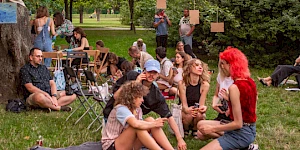
The Museum of Modern Art in Warsaw, together with the confederation of museums L'Internationale, is establishing a Multicultural Youth Center. This is a unique space for 16-24 year olds to explore and develop their creativity, make new friends and hang out in a friendly and supportive environment.
-
–MACBA
Where are the Oases?
PEI OBERT seminar
with Kader Attia, Elvira Dyangani Ose, Max Jorge Hinderer Cruz, Emily Jacir, Achille Mbembe, Sarah Nuttall and Françoise VergèsAn oasis is the potential for life in an adverse environment.
-
MACBA
Mobile Garden. A Place to Meet
An open space, a social space. How could the Museum be more open to the needs of the neighbourhood?
-
Museo Reina Sofia
School of Commoning Practices
This exchange programme gathers different schools organized by volunteers and migrant communities in Athens (Open School for Migrants) and Madrid (School of Rights, Escuela de Español and Situated mediation School) in order to share their knowledge, exchange strategies and reflect on the experience of working together with migrant communities.
-
–Museo Reina Sofia
Team of Teams
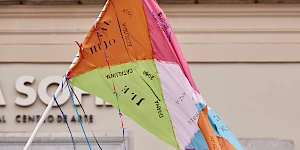
This project researches citizen participation as a fundamental pillar in the creation of community.
-
–Museo Reina Sofia
Sustainable Art Production
The Studies Center of Museo Reina Sofía will publish an open call for four residencies of artistic practice for projects that address the emergencies and challenges derived from the climate crisis such as food sovereignty, architecture and sustainability, communal practices, diasporas and exiles or ecological and political sustainability, among others.
-
M HKA
SUPERHOST | Club Antena. Intimate listening and dancing experience
with Nele Möller, Farida Amadou, Le Réalism, Céline Gillain, Roberta Miss, Elena Colombi
CLUB ANTENA is an intimate listening and dancing session with a lecture, concert, performance, catering and DJ sets, exploring what it means to listen with our bodies.
-
–tranzit.ro
Non-Western Technologies for the Good Life

The experimental course ‘Non-Western Technologies for the Good Life’ (November 2023–May 2024) celebrates as its starting point the anniversary of 50 years since the publication of Tools for Conviviality, considering that Ivan Illich’s call is as relevant as ever.
-
Institute of Radical ImaginationMSU Zagreb
Red, Green, Black and White
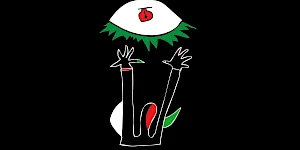
A performative inquiry by Institute of Radical Imagination and MSU Zagreb
-
Tongue and Throat Memories
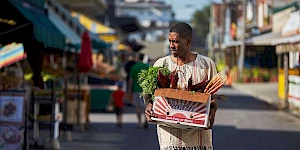
On hospitality and conviviality through food
Knowledges and convenings
Cooking Sessions -
–Moderna galerijaZRC SAZU
Summer School: Our Many Easts
Our Many Easts summer school is organised by Moderna galerija in Ljubljana in partnership with ZRC SAZU (the Research Centre of the Slovenian Academy of Sciences and Arts) as part of the L’Internationale project Museum of the Commons.
-
–Moderna galerijaZRC SAZU
Open Call – Summer School: Our Many Easts
Our Many Easts summer school takes place in Ljubljana 24–30 August and the application deadline is 15 March. Courses will be held in English and cover topics such as the legacy of the Eastern European avant-gardes, archives as tools of emancipation, the new “non-aligned” networks, art in times of conflict and war, ecology and the environment.
-
MACBA
The Open Kitchen. Map of edible tensions
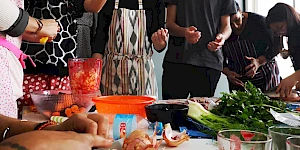
with Marina Monsonís, Paisanaje and Ruralitzem
The MACBA Kitchen is a working group situated against the backdrop of ecosocial crisis. Participants in the group aim to highlight the importance of intuitively imagining an ecofeminist kitchen, and take a particular interest in the wisdom of individuals, projects and experiences that work with dislocated knowledge in relation to food sovereignty. -
MACBA
The Open Kitchen. Food networks in an emergency situation
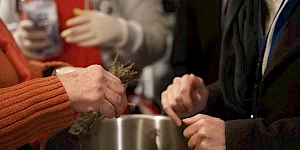
with Marina Monsonís, the Cabanyal cooking, Resistencia Migrante Disidente and Assemblea Catalana per la Transició Ecosocial
The MACBA Kitchen is a working group situated against the backdrop of ecosocial crisis. Participants in the group aim to highlight the importance of intuitively imagining an ecofeminist kitchen, and take a particular interest in the wisdom of individuals, projects and experiences that work with dislocated knowledge in relation to food sovereignty. -
Moderna galerija
Book Launch: Collective Study in Times of Emergency, Ljubljana
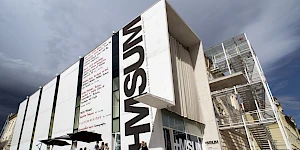
with Nick Aikens (L'Internationale Online / HDK-Valand), Bojana Piškur (MG+MSUM) and Martin Pogačar (ZRC SAZU)
-
–
Kyiv Biennial 2025
L’Internationale Confederation is proud to co-organise this years’ edition of the Kyiv Biennial.
-
–MACBAMuseo Reina Sofia
School of Common Knowledge 2025
The second iteration of the School of Common Knowledge will bring together international participants, faculty from the confederation and situated organizations in Barcelona and Madrid.
-
–SALT
Plant(ing) Entanglements
The series of sound installations Warm Earth Sounds for Plants and the People Who Love Them ends with Fulya Uçanok’s sound installation Plant(ing) Entanglements.
-
Museo Reina Sofia
School of Commoning Practices: Publication
Students, teachers and organizations of self-managed language and cultural mediation schools for migrants in Florence, Athens and Madrid share their experiences.
-
–Museo Reina Sofia
Sustainable Art Production. Research Residencies
The projects selected in the first call of the Sustainable Art Practice research residencies are A hores d'ara. Experiences and memory of the defense of the Huerta valenciana through its archive by the group of researchers Anaïs Florin, Natalia Castellano and Alba Herrero; and Fundamental Errors by the filmmaker and architect Mauricio Freyre.
-
–Museo Reina SofiaMACBA
Open Call – School of Common Knowledge 2025
Museo Reina Sofía and MACBA Museu d’Art Contemporani de Barcelona (MACBA) invite applications for the 2025 iteration of the School of Common Knowledge, which will take place in Madrid and Barcelona 11-16 November 2025. The School of Common Knowledge (SCK) draws on the network, knowledge and experience of L’Internationale. Its ambition is to be both nomadic and situated, looking at specific cultural and geopolitical situations while exploring their relations and interdependencies with the rest of the world. This year, the SCK program focuses on the contested and dynamic notions of rooting and uprooting in the framework of present – colonial, migrant, situated, and ecological – complexities. Building on the legacy of the Glossary of Common Knowledge and the current European program Museum of the Commons, the SCK invites participants to reflect on the power of language to shape our understanding of art and society through a co-learning methodology.
-
–IMMANCAD
Summer School: Landscape (post) Conflict
The Irish Museum of Modern Art and the National College of Art and Design, as part of L’internationale Museum of the Commons, is hosting a Summer School in Dublin between 7-11 July 2025. This week-long programme of lectures, discussions, workshops and excursions will focus on the theme of Landscape (post) Conflict and will feature a number of national and international artists, theorists and educators including Jill Jarvis, Amanda Dunsmore, Yazan Kahlili, Zdenka Badovinac, Marielle MacLeman, Léann Herlihy, Slinko, Clodagh Emoe, Odessa Warren and Clare Bell.
-
–Museo Reina Sofia
Study Group: Aesthetics of Peace and Desertion Tactics
In a present marked by rearmament, war, genocide, and the collapse of the social contract, this study group aims to equip itself with tools to, on one hand, map genealogies and aesthetics of peace – within and beyond the Spanish context – and, on the other, analyze strategies of pacification that have served to neutralize the critical power of peace struggles.
-
–MSU Zagreb
October School: Moving Beyond Collapse: Reimagining Institutions
The October School at ISSA will offer space and time for a joint exploration and re-imagination of institutions combining both theoretical and practical work through actually building a school on Vis. It will take place on the island of Vis, off of the Croatian coast, organized under the L’Internationale project Museum of the Commons by the Museum of Contemporary Art in Zagreb and the Island School of Social Autonomy (ISSA). It will offer a rich program consisting of readings, lectures, collective work and workshops, with Adania Shibli, Kristin Ross, Robert Perišić, Saša Savanović, Srećko Horvat, Marko Pogačar, Zdenka Badovinac, Bojana Piškur, Theo Prodromidis, Ovidiu Ţichindeleanu, Progressive International, Naan-Aligned cooking, and others.
-
–MSN Warsaw
Near East, Far West. Kyiv Biennial 2025
The main exhibition of the 6th Kyiv Biennial 2025, titled Near East, Far West, is organized by a consortium of curators from L’Internationale. It features seven new artists’ commissions, alongside works from the collections of member institutions of L’Internationale and a number of other loans.
-
–M HKA
Homelands and Hinterlands. Kyiv Biennial 2025
Following the trans-national format of the 2023 edition, the Kyiv Biennial 2025 will again take place in multiple locations across Europe. Museum of Contemporary Art Antwerp (M HKA) presents a stand-alone exhibition that acts also as an extension of the main biennial exhibition held at the newly-opened Museum of Modern Art in Warsaw (MSN).
In reckoning with the injustices and atrocities committed by the imperialisms of today, Kyiv Biennial 2025 reflects with historical consciousness on failed solidarities and internationalisms. It does this across an axis that the curators describe as Middle-East-Europe, a term encompassing Central Eastern Europe, the former-Soviet East and the Middle East.
-
MACBA
PEI Obert: Bodies of Evidence. A lecture by Ido Nahari and Adam Broomberg
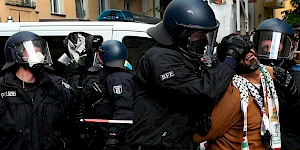
In the second day of Open PEI, writer and researcher Ido Nahari and artist, activist and educator Adam Broomberg bring us Bodies of Evidence, a lecture that analyses the circulation and functioning of violent images of past and present genocides. The debate revolves around the new fundamentalist grammar created for this documentation.
-
–
Everything for Everybody. Kyiv Biennial 2025
As one of five exhibitions comprising the 6th Kyiv Biennial 2025, ‘Everything for Everybody’ takes place in the Ukraine, at the Dnipro Center for Contemporary Culture.
-
–
In a Grandiose Sundance, in a Cosmic Clatter of Torture. Kyiv Biennial 2025
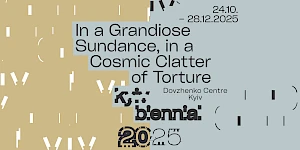
As one of five exhibitions comprising the 6th Kyiv Biennial 2025, ‘In a Grandiose Sundance, in a Cosmic Clatter of Torture’ takes place at the Dovzhenko Centre in Kyiv.
-
MACBA
School of Common Knowledge: Fred Moten
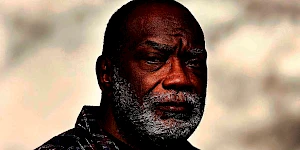
Fred Moten gives the lecture Some Prœposicions (On, To, For, Against, Towards, Around, Above, Below, Before, Beyond): the Work of Art. As part of the Project a Black Planet exhibition, MACBA presents this lecture on artworks and art institutions in relation to the challenge of blackness in the present day.
-
–MACBA
Visions of Panafrica. Film programme
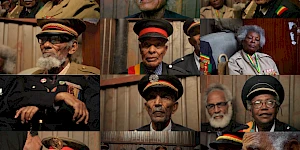
Visions of Panafrica is a film series that builds on the themes explored in the exhibition Project a Black Planet: The Art and Culture of Panafrica, bringing them to life through the medium of film. A cinema without a geographical centre that reaffirms the cultural and political relevance of Pan-Africanism.
-
MACBA
Farah Saleh. Balfour Reparations (2025–2045)

As part of the Project a Black Planet exhibition, MACBA is co-organising Balfour Reparations (2025–2045), a piece by Palestinian choreographer Farah Saleh included in Hacer Historia(s) VI (Making History(ies) VI), in collaboration with La Poderosa. This performance draws on archives, memories and future imaginaries in order to rethink the British colonial legacy in Palestine, raising questions about reparation, justice and historical responsibility.
-
MACBA
Project a Black Planet: The Art and Culture of Panafrica OPENING EVENT
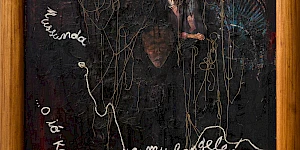
A conversation between Antawan I. Byrd, Adom Getachew, Matthew S. Witkovsky and Elvira Dyangani Ose. To mark the opening of Project a Black Planet: The Art and Culture of Panafrica, the curatorial team will delve into the exhibition’s main themes with the aim of exploring some of its most relevant aspects and sharing their research processes with the public.
-
MACBA
Palestine Cinema Days 2025: Al-makhdu’un (1972)
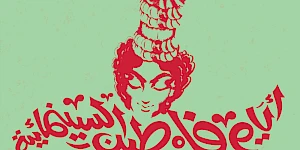
Since 2023, MACBA has been part of an international initiative in solidarity with the Palestine Cinema Days film festival, which cannot be held in Ramallah due to the ongoing genocide in Palestinian territory. During the first days of November, organizations from around the world have agreed to coordinate free screenings of a selection of films from the festival. MACBA will be screening the film Al-makhdu’un (The Dupes) from 1972.
-
Museo Reina Sofia
Cinema Commons #1: On the Art of Occupying Spaces and Curating Film Programmes
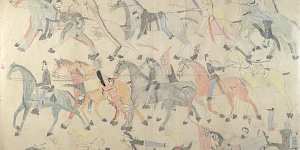
On the Art of Occupying Spaces and Curating Film Programmes is a Museo Reina Sofía film programme overseen by Miriam Martín and Ana Useros, and the first within the project The Cinema and Sound Commons. The activity includes a lecture and two films screened twice in two different sessions: John Ford’s Fort Apache (1948) and John Gianvito’s The Mad Songs of Fernanda Hussein (2001).
-
–
Vertical Horizon. Kyiv Biennial 2025
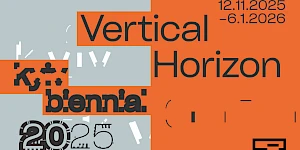
As one of five exhibitions comprising the 6th Kyiv Biennial 2025, ‘Vertical Horizon’ takes place at the Lentos Kunstmuseum in Linz, at the initiative of tranzit.at.
-
HDK-Valand
MA Forum in collaboration with LIO: Cathryn Klasto

In this MA Forum we welcome artist and researcher Cathryn Klasto. This talk will share some working insight into Klasto’s ongoing book project ‘Space Trekking’. The book is a collection of visual essays which tries to reveal the relationship between artistic research, ethics and interstellar spatial phenomena storied within the Star Trek universe.
-
–
International Day of Solidarity with the Palestinian People: Activities
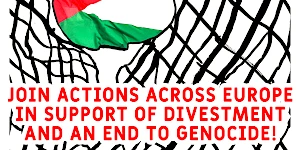
To mark International Day of Solidarity with the Palestinian People and in conjunction with our collective text, we, the cultural workers of L'Internationale have compiled a list of programmes, actions and marches taking place accross Europe. Below you will find programmes organized by partner institutions as well as activities initaited by unions and grass roots organisations which we will be joining.
This is a live document and will be updated regularly.
-
MACBA
PEI Obert: Until Liberation: A Collective Reading and Listening Session by Learning Palestine
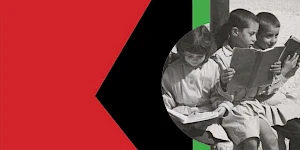
PEI Obert presents a collective session with Learning Palestine. At this historical juncture – amid the ongoing genocide in Gaza and the censorship and repression of all things Palestinian – Learning Palestine invites us to gather not only in refusal but also in affirmation.
Related contributions and publications
-
Dispatch: In between the lessons. Staying together in uncertain times, laughing in the face of trouble, and disobeying; the future belongs to us
Antonela SoleničkiSchoolsSituated OrganizationsMSU ZagrebModerna galerijaZRC SAZU -
Reading list: School of Common Knowledge 2024
School of Common KnowledgeSchoolsSituated OrganizationsMSU ZagrebModerna galerijaZRC SAZU -
Glossary of Common Knowledge, Vol. 2
Schools -
Glossary of Common Knowledge
Schools -
Prácticas lumbung para resistir y colaborar desde el arte
Constanza Yévenes BiénzobasEN eslumbungSituated OrganizationsMuseo Reina Sofia -
Algunos términos que guían a lumbung press: Definiendo “edición”
Erick BeltránEN eslumbungSituated OrganizationsMACBA -
Performances from the opening of The Heritage of 1989. Case Study: The Second Yugoslav Documents Exhibition
Jusuf Hadžifejzović, Azra Akšamija, Ilija ŠoškićDialoguesModerna galerija -
Epistemologies of the South
Zdenka Badovinac, Jesús Carrillo, Patrick FloresDialoguesModerna galerija -
Art at Work – At the Crossroads between Utopianism and (In)Dependence
Moderna galerija -
Realize! Resist! React! – Performance and Politics in the 1990s in the Post-Yugoslav Context
Moderna galerija -
»We should never abandon the possibility of our active presence«
Zdenka Badovinac, Ieva Astahovska, Bermet Borubaeva, Darja Filippova, Nika Ham, Dorota Michalska, Radek Przedpełski, Ekaterina VorontsovaModerna galerija -

Our Movements Are Loud
Bridge RadioModerna galerijaHDK-Valand -
Tuning, Bias, and the Wild Beyond
Nora Akawi, Khyam AllamiModerna galerijaHDK-Valand -
Newsreel 65 – “We have too much things in heart…”
Moderna galerija -
The Heritage of 1989. Case Study: The Second Yugoslav Documents Exhibition
Moderna galerija -
From Kapital to Capital. Neue Slowenische Kunst – an Event of the Final Decade of Yugoslavia
Moderna galerija -
Museums under Political Control
Workers from Moderna galerijaModerna galerija -
Discomfort at Dinner: The role of food work in challenging empire
Mary FawzyLand RelationsSituated Organizations -
Mix tape: Let's funk up all genders!
Materia Hache / Others to the FrontEN esSonic and Cinema CommonsSituated OrganizationsMuseo Reina Sofia -
Towards Collective Learning, or, Decompartmentalizing Education
María Berríos, Fran MM Cabeza de Vaca, Yolande Zola Zoli van der Heide, Nick AikensSchoolsSituated Organizations -
The Silence Has Been Unfolding For Too Long
The Free Palestine Initiative CroatiaInternationalismsPast in the PresentSituated OrganizationsInstitute of Radical ImaginationMSU Zagreb -
Dispatch: Harvesting Non-Western Epistemologies (ongoing)
Adelina LuftLand RelationsSchoolsClimatetranzit.ro -
Dispatch: From the Eleventh Session of Non-Western Technologies for the Good Life
Ana KunLand RelationsSchoolstranzit.ro -
War, Peace and Image Politics: Part 1, Who Has a Right to These Images?
Jelena VesićInternationalismsPast in the PresentZRC SAZU -
Dispatch: Practicing Conviviality
Ana BarbuClimateSchoolsLand Relationstranzit.ro -
Dispatch: Notes on Separation and Conviviality
Raluca PopaLand RelationsSchoolsSituated OrganizationsClimatetranzit.ro -
To Build an Ecological Art Institution: The Experimental Station for Research on Art and Life
Ovidiu Ţichindeleanu, Raluca VoineaLand RelationsClimateSituated Organizationstranzit.ro -
Dispatch: A Shared Dialogue
Irina Botea Bucan, Jon DeanLand RelationsSchoolsClimatetranzit.ro -
Dispatch: The Commonsverse and Situated Organisations – or why the era of big institutions will come to an end
Denise PolliniSchoolsSituated OrganizationsMSU ZagrebModerna galerijaZRC SAZU -
Dispatch: A Buriti Tree
Lucas PrettiSchoolsSituated OrganizationsMSU ZagrebModerna galerijaZRC SAZU -
Poner el nombre a una causa en tierra extraña
Dagmary Olívar Graterol, Paola de la Vega VelasteguiEN esSchoolsSituated OrganizationsMuseo Reina Sofia -
Dispatch: To whom it may concern – the voice of the censor and re-calibrating words as an act of survival
AnonymousSchoolsSituated OrganizationsMSU ZagrebModerna galerijaZRC SAZU -
Rethinking Comradeship from a Feminist Position
Leonida KovačSchoolsInternationalismsSituated OrganizationsMSU ZagrebModerna galerijaZRC SAZU -
Reading list - Summer School: Our Many Easts
Summer School - Our Many EastsSchoolsPast in the PresentModerna galerija -
Dispatch: ‘I don't believe in revolution, but sometimes I get in the spirit.’
Megan HoetgerSchoolsPast in the Present -
Dispatch: Notes on (de)growth from the fragments of Yugoslavia's former alliances
Ava ZevopSchoolsPast in the Present -
Collective Study in Times of Emergency. A Roundtable
Nick Aikens, Sara Buraya Boned, Charles Esche, Martin Pogačar, Ovidiu Ţichindeleanu, Ezgi YurteriInternationalismsPast in the PresentSituated Organizations -
Dispatch: A Silent Conversation
Anela DumonjićSchoolsModerna galerija -
Taking Part. A Guide to Participatory Tools and Techniques
EN esSchoolsSituated OrganizationsMuseo Reina Sofia -
Atención: participar en el Museo de los Comunes
Fran MM Cabeza de VacaEN esSchoolsSituated Organizations -
S come Silenzio
Maddalena FragnitoEN itInternationalismsSituated Organizations -
Reading List: Summer School, Landscape (post) Conflict
Summer School - Landscape (post) ConflictSchoolsLand RelationsPast in the PresentIMMANCAD -
Dispatch: Reenacting the loop. Notes on conflict and historiography
Giulia TerralavoroSchoolsLand RelationsIMMANCAD -
Dispatch: Haunting, cataloging and the phenomena of disintegration
Coco GoranSchoolsLand RelationsIMMANCAD -
Dispatch: Landescape – bending words or what a new terminology on post-conflict could be
Amanda CarneiroSchoolsLand RelationsIMMANCAD -
Dispatch: Landscape (Post) Conflict – Mediating the In-Between
Janine DavidsonSchoolsLand RelationsIMMANCAD -
Dispatch: Excerpts from the six days and sixty one pages of the black sketchbook
Sabine El ChamaaSchoolsLand RelationsIMMANCAD -
Dispatch: Withstanding. Notes on the material resonance of the archive and its practice
Giulio GonellaSchoolsLand RelationsIMMANCAD -
Schools: Editorial
L'Internationale Online Editorial BoardSchools -
Dispatch: Between Pages and Borders – (post) Reflection on Summer School ‘Landscape (post) Conflict’
Daria RiabovaSchoolsLand RelationsIMMANCAD -
Statement in support of M HKA
L’Internationale ConfederationStatements and editorialsSituated Organizations -
Reading list: October School. Reimagining Institutions
October SchoolSchoolsSituated OrganizationsClimateMSU Zagreb -
Cultural Workers of L’Internationale mark International Day of Solidarity with the Palestinian People
Cultural Workers of L’InternationaleEN es pl roInternationalismsSituated OrganizationsPast in the PresentStatements and editorials -
Dispatch: Notes On Generosity
Amanda Macedo MacedoSchoolsMuseo Reina SofiaMACBA -
The Fifth Estate: On Museums, Public Imagination and the Vanishing Space for Collectivity
Philippe Pirotte, Els Silvrants-BarclayEN nlSituated OrganizationsM HKA -
Dispatch: The first and obvious separation is between
KroplyaSchoolsMuseo Reina SofiaMACBA