Dispatch: Practicing Conviviality
In this dispatch from ‘Non-Western Technologies for the Good Life’ Ana Barbu reflects on what it meant for her to arrive at The Experimental Station for Research on Art and Life, to ‘escape modernity’ and to practice conviviality.
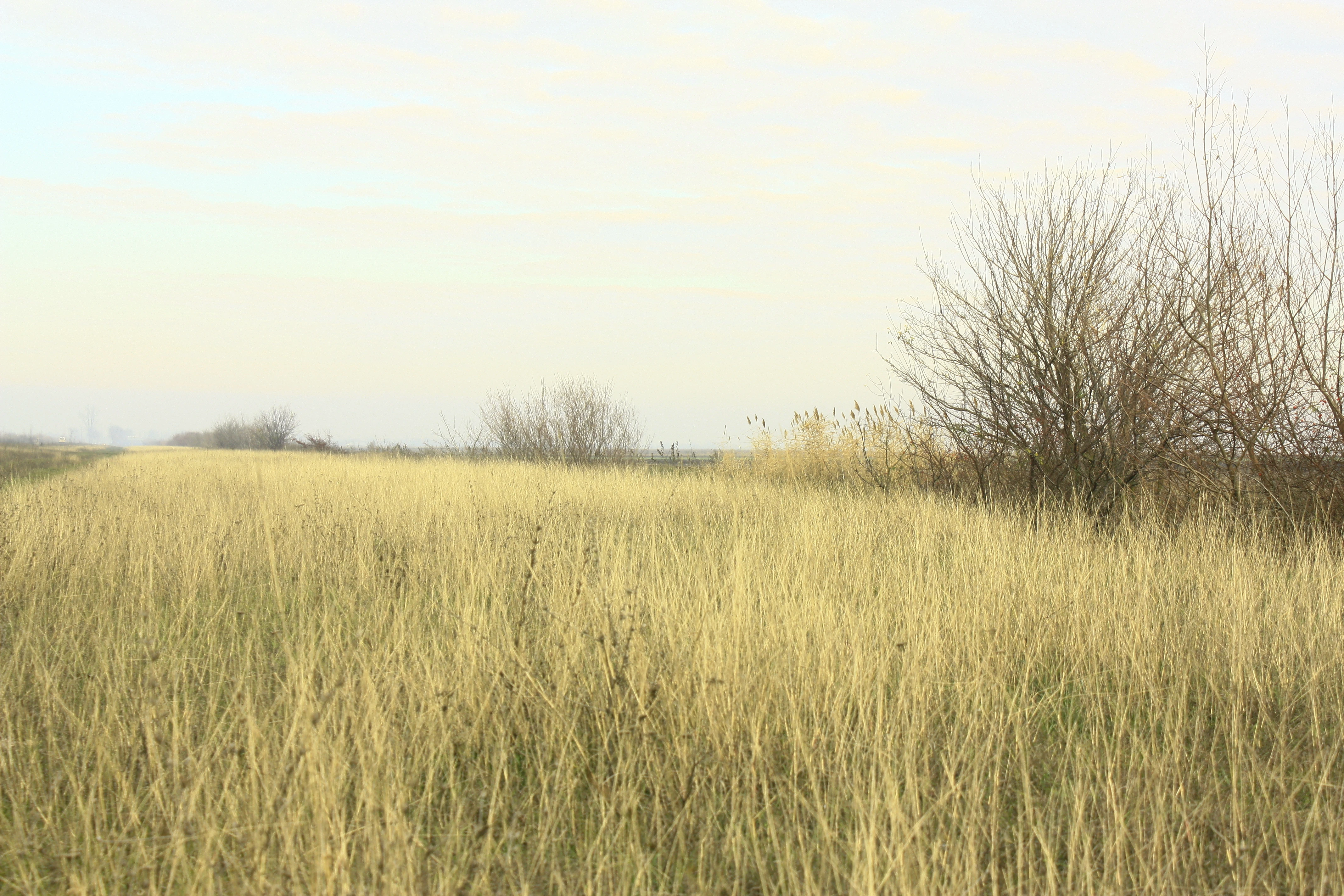
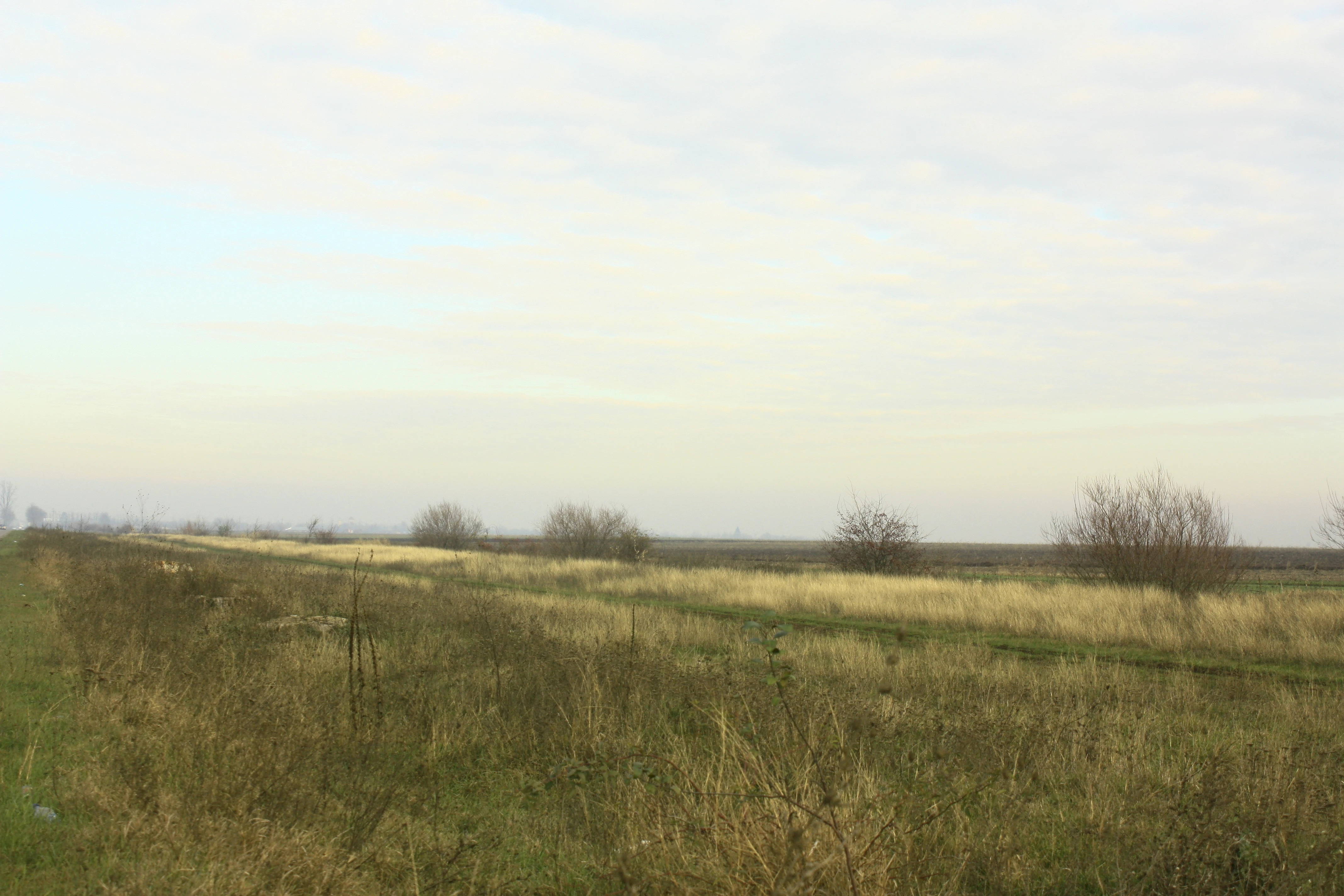
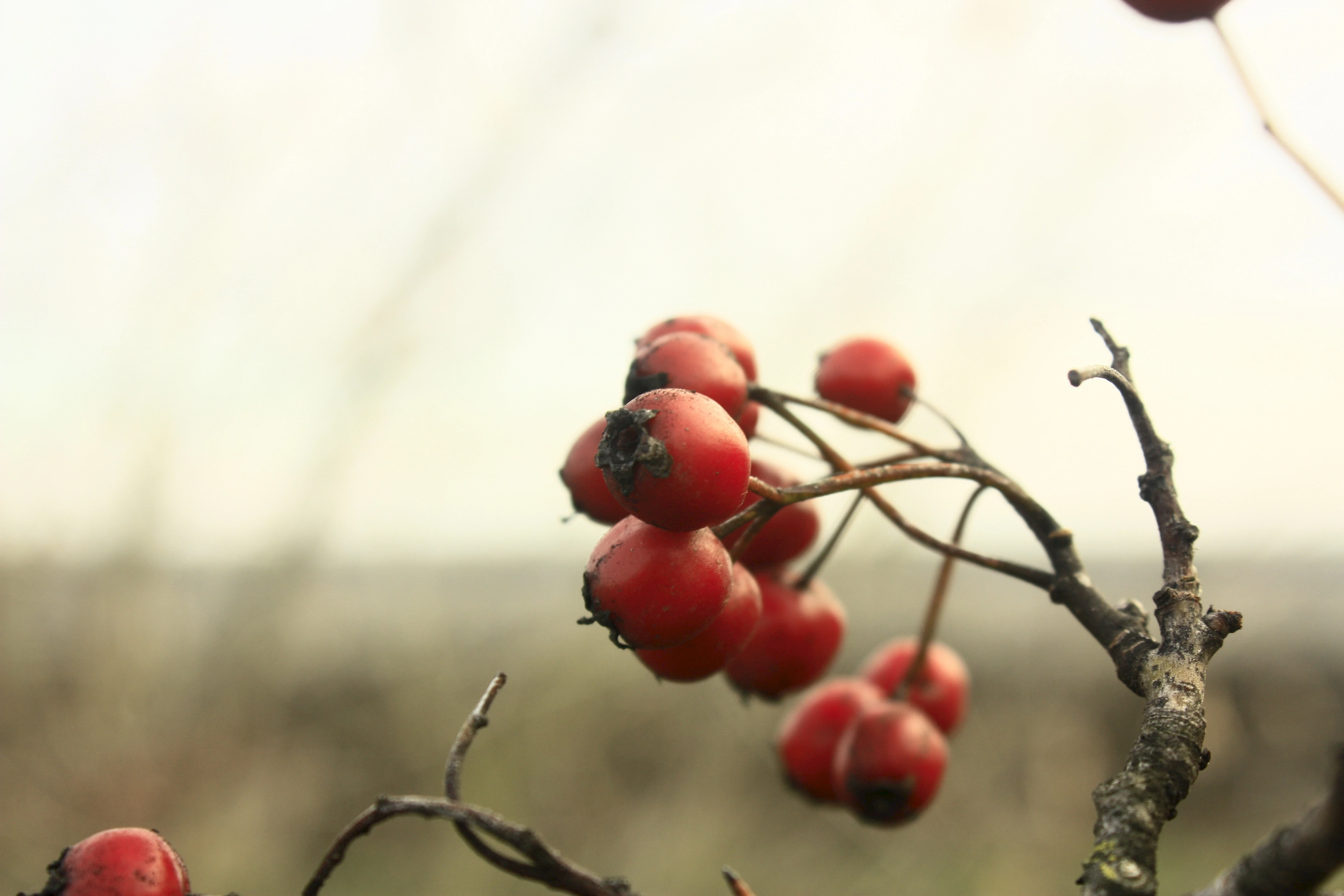
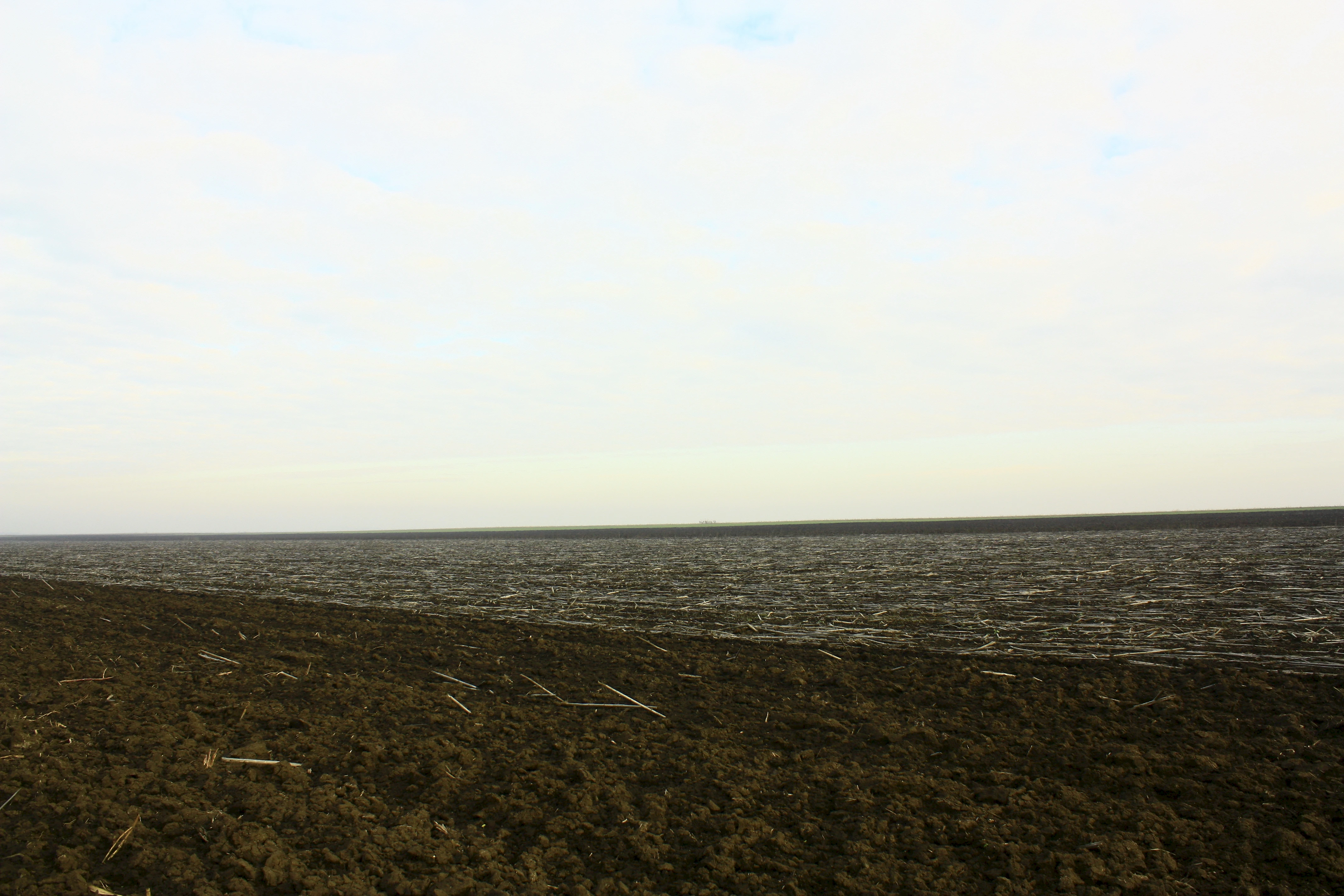
As I embarked on my journey to The Experimental Station for Research on Art and Life on that cloudy November day, leaving behind my sleepy garden, I yearned for meaningful human connections. The station is located not far from the village where I live, so the scenery for this short trip was quite familiar; vast agricultural lands stretched as far as the eye could see, with small pockets of wilderness nestled within very narrow strips of land left untouched between the endless plots of cereal crops and the road. As the year drew to a close, the earth laid bare, turned over by the plow, while that narrow strip between field and road, that refuge, was covered and protected by the skeletons of plants that had lived that year, a remarkable variety and beauty for such a small space. Herbs, thistles of all kinds, verbascums, various umbelliferous plants provided shelter for winter, perhaps, to a few insects, worms, or small mammals that had managed to survive the agricultural year.
I felt a sense of belonging towards that refuge, I felt alive, yet constrained, suffocated, needing something more to truly thrive. A quote from the first email our group received resonated in my mind, ‘I don’t think there has been such a time when people all over the world with the desire to trust their latent powers have been so totally repressed.’
Upon arrival at the station, we were assigned the first task from a series that constituted a much-needed practice for our group: to observe the drivers of separation between us and the world. ‘What are you running away from?’, was Ovidiu’s first question taken from a decolonial Proustian questionnaire intended to position us in relation with the destructive powers of this world. In the weeks that followed we had to observe how indifference permeates our lives, how consumption is taking over our own will or how displacement is reorganizing the world around to serve a purpose that was not taking into consideration everybody’s right to a good life, and moved progressively towards more positive contemplations, like remembering moments from our lives when modernity has been denied, or imagining a theme for a collective discussing an alternative to existing systems.
Although our tasks could be considered a pedagogical tool, they have a clear spiritual component. If our goal is to escape modernity, the road to reach it is long and difficult, without a rigorous ritual it’s easy to lose focus, succumb to frustration or fall into an endless cycle of futile complaints.
This meditation on conviviality, conducted over six months shifted me onto a different timescale, with its own rhythm and pace. It helped me get out of a reactive mode and put me in an active one, it helped clear my mind of the constant influx of bits and pieces of information from our rapidly changing world and made space for coherent, steady thought.
As a gardener interested in biodiversity and ecologically growing plants, I strive in my daily life to cultivate trust in the future and gratitude towards the past, to ethically adapt to a growing tendency of biotic homogenization caused by the global economy, to try to find solutions in places where they are not often sought, such as old ways of cultivation, traditional or indigenous, or even to try things that have not been tried before, although sometimes I feel like I am trying to reinvent the wheel and fail. The observations we did in our community of practice granted a sense of agency over a future that may seem distant now, but in reality, might just be within reach.
Related contributions and publications
-
Decolonial aesthesis: weaving each other
Charles Esche, Rolando Vázquez, Teresa Cos RebolloLand RelationsClimate -
Climate Forum I – Readings
Nkule MabasoEN esLand RelationsClimateHDK-Valand -
…and the Earth along. Tales about the making, remaking and unmaking of the world.
Martin PogačarLand RelationsClimatePast in the Present -
Art for Radical Ecologies Manifesto
Institute of Radical ImaginationLand RelationsClimateInstitute of Radical Imagination -
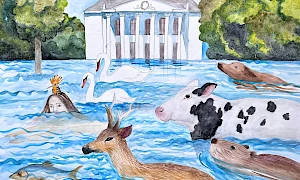
Pollution as a Weapon of War
Svitlana MatviyenkoClimate -
Ecologising Museums
Land Relations
Related activities
-
HDK-Valand
Climate Forum I
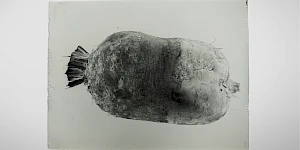
The Climate Forum is a space of dialogue and exchange with respect to the concrete operational practices being implemented within the art field in response to climate change and ecological degradation. This is the first in a series of meetings hosted by HDK-Valand within L'Internationale's Museum of the Commons programme.
-
–Van Abbemuseum
The Soils Project
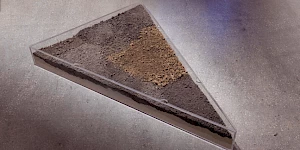
‘The Soils Project’ is part of an eponymous, long-term research initiative involving TarraWarra Museum of Art (Wurundjeri Country, Australia), the Van Abbemuseum (Eindhoven, Netherlands) and Struggles for Sovereignty, a collective based in Yogyakarta, Indonesia. It works through specific and situated practices that consider soil, as both metaphor and matter.
Seeking and facilitating opportunities to listen to diverse voices and perspectives around notions of caring for land, soil and sovereign territories, the project has been in development since 2018. An international collaboration between three organisations, and several artists, curators, writers and activists, it has manifested in various iterations over several years. The group exhibition ‘Soils’ at the Van Abbemuseum is part of Museum of the Commons. -
–MACBA
Where are the Oases?
PEI OBERT seminar
with Kader Attia, Elvira Dyangani Ose, Max Jorge Hinderer Cruz, Emily Jacir, Achille Mbembe, Sarah Nuttall and Françoise VergèsAn oasis is the potential for life in an adverse environment.
-
–Museo Reina Sofia
Team of Teams

This project researches citizen participation as a fundamental pillar in the creation of community.
-
–Museo Reina Sofia
Sustainable Art Production
The Studies Center of Museo Reina Sofía will publish an open call for four residencies of artistic practice for projects that address the emergencies and challenges derived from the climate crisis such as food sovereignty, architecture and sustainability, communal practices, diasporas and exiles or ecological and political sustainability, among others.
-
–tranzit.ro
Non-Western Technologies for the Good Life

The experimental course ‘Non-Western Technologies for the Good Life’ (November 2023–May 2024) celebrates as its starting point the anniversary of 50 years since the publication of Tools for Conviviality, considering that Ivan Illich’s call is as relevant as ever.