Dispatch: Between Pages and Borders – (post) Reflection on Summer School ‘Landscape (post) Conflict’
In her dispatch Daria Riabova looks back on a series of moments, conversations and relfections from the summer school, thinking across the contexts of Ukraine and the island of Ireland, forms of collective memory and personal stories.
9 July, 6:30pm. National College of Art and Design, panel discussion
I opened my notebook and took a faber castell 0.3mm pen, which I found on the street of Graz, Austria right before my first day at IMMA. It was kind of a sign for me. The notebook was brand new, with that fresh paper smell you get when flipping through clean pages. My first thought in Dublin was ‘I am the youngest person here, I feel awkward not being on the same page’, and then I turned a page of a notebook. I had met a university professor from Canada who came here as a student, his name was Paul Landan. I shared my anxieties with him. He replied immediately ‘we are all students here. We are learning new ways of interpreting the world’. I didn’t really believe him and went to the first talk of the week.
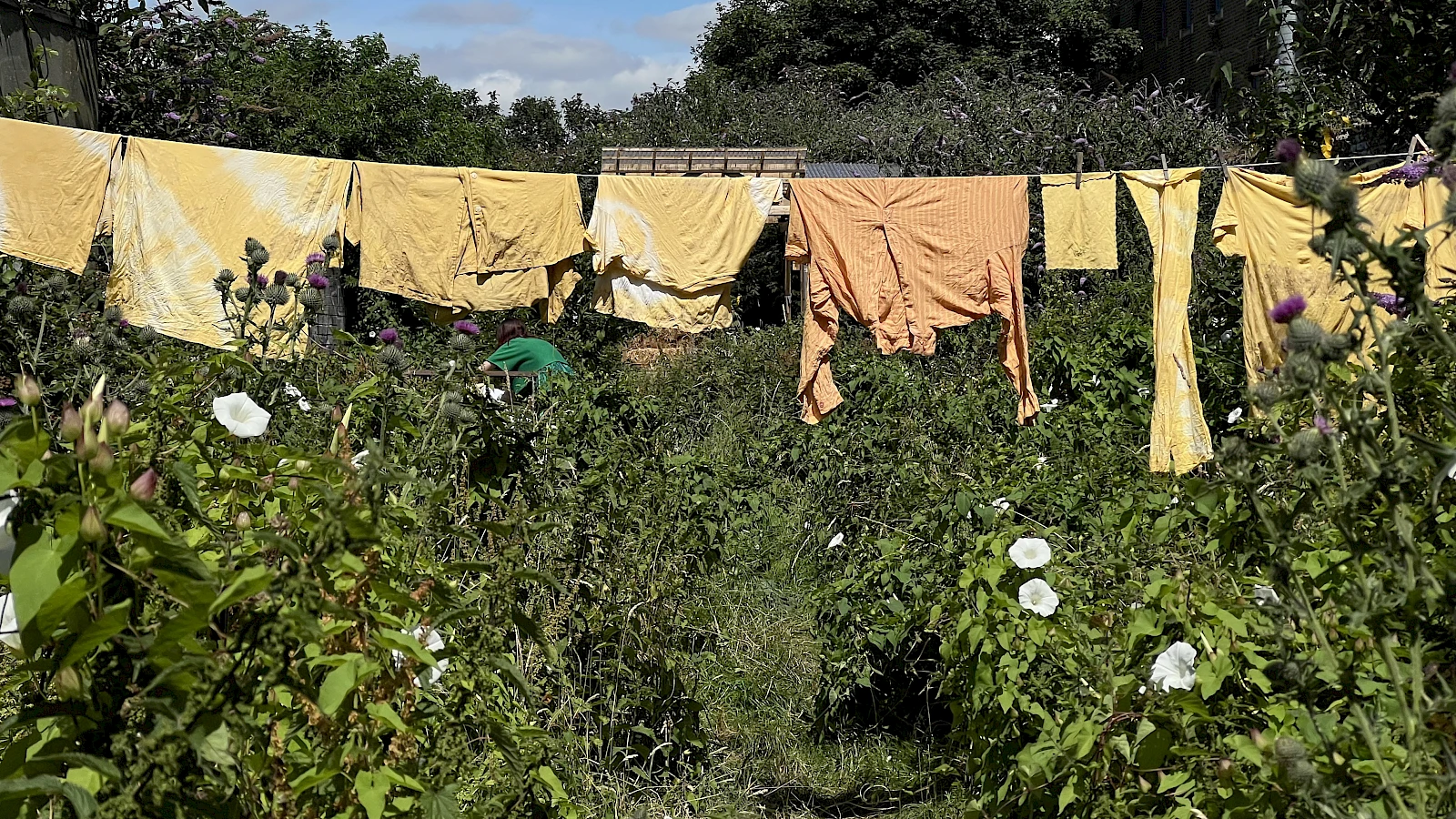
10 July, 12:53pm. National College of Art and Design, garden
Later this evening, as my notebook and camera testifies, around 5pm, we had a conversation in groups of four. We were asked to reflect on the vocabulary of post-conflict – words that felt distant, heavy, and unclear to me. I sat down, took a pen and wrote ‘nothing really makes sense to me yet’. I said nothing for the next 40 minutes and listened.
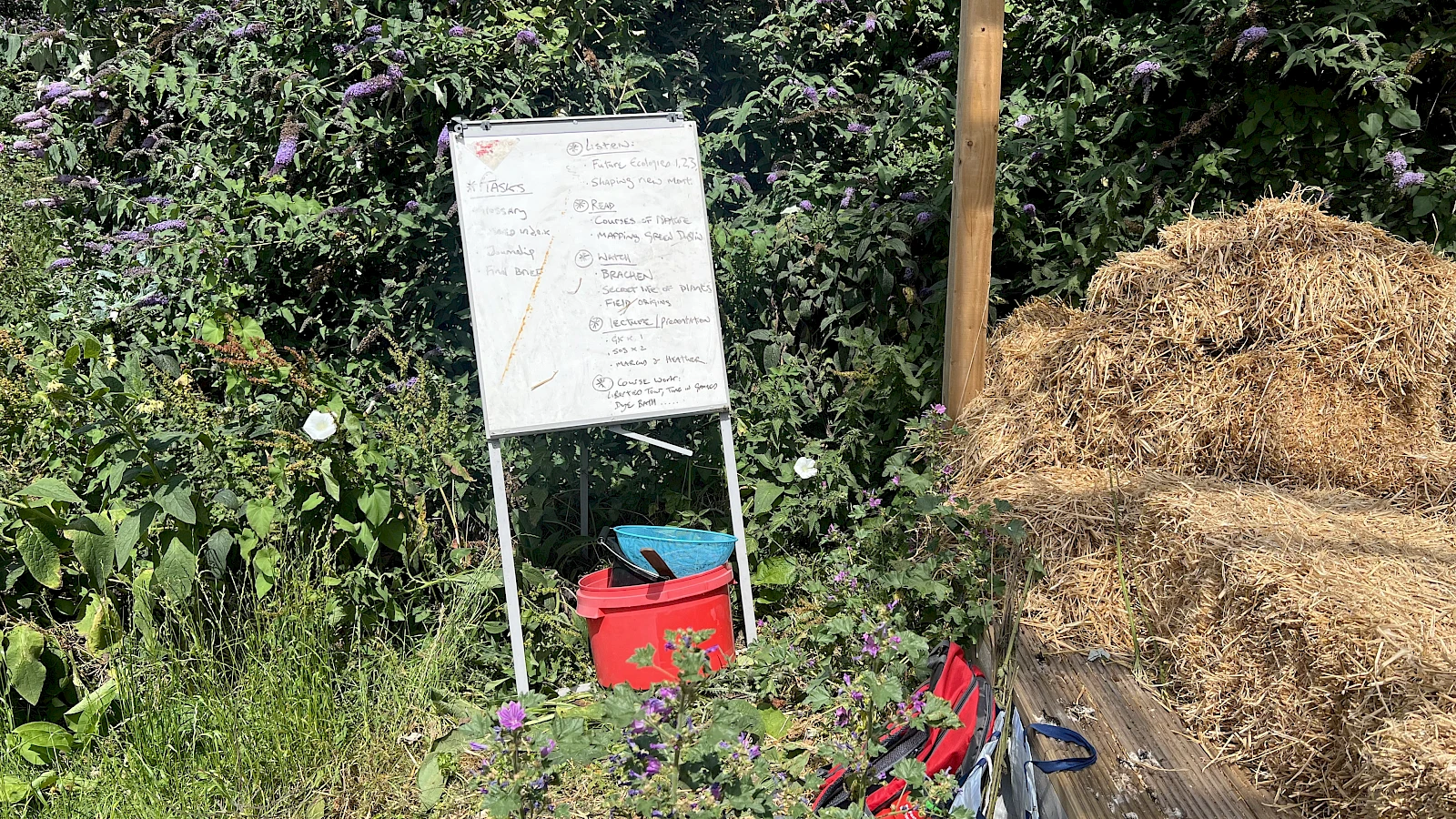
9 July, 1:07pm. National College of Art and Design, garden
You know that feeling when you`re trying to grasp something and your brain goes into overdrive? In such situations I feel every word and sound as nothing. In Ukrainian we have a phrase «білий шум» which refers to a mixture of sounds reproduced simultaneously at all frequencies perceived by the ear. I was spaced out.
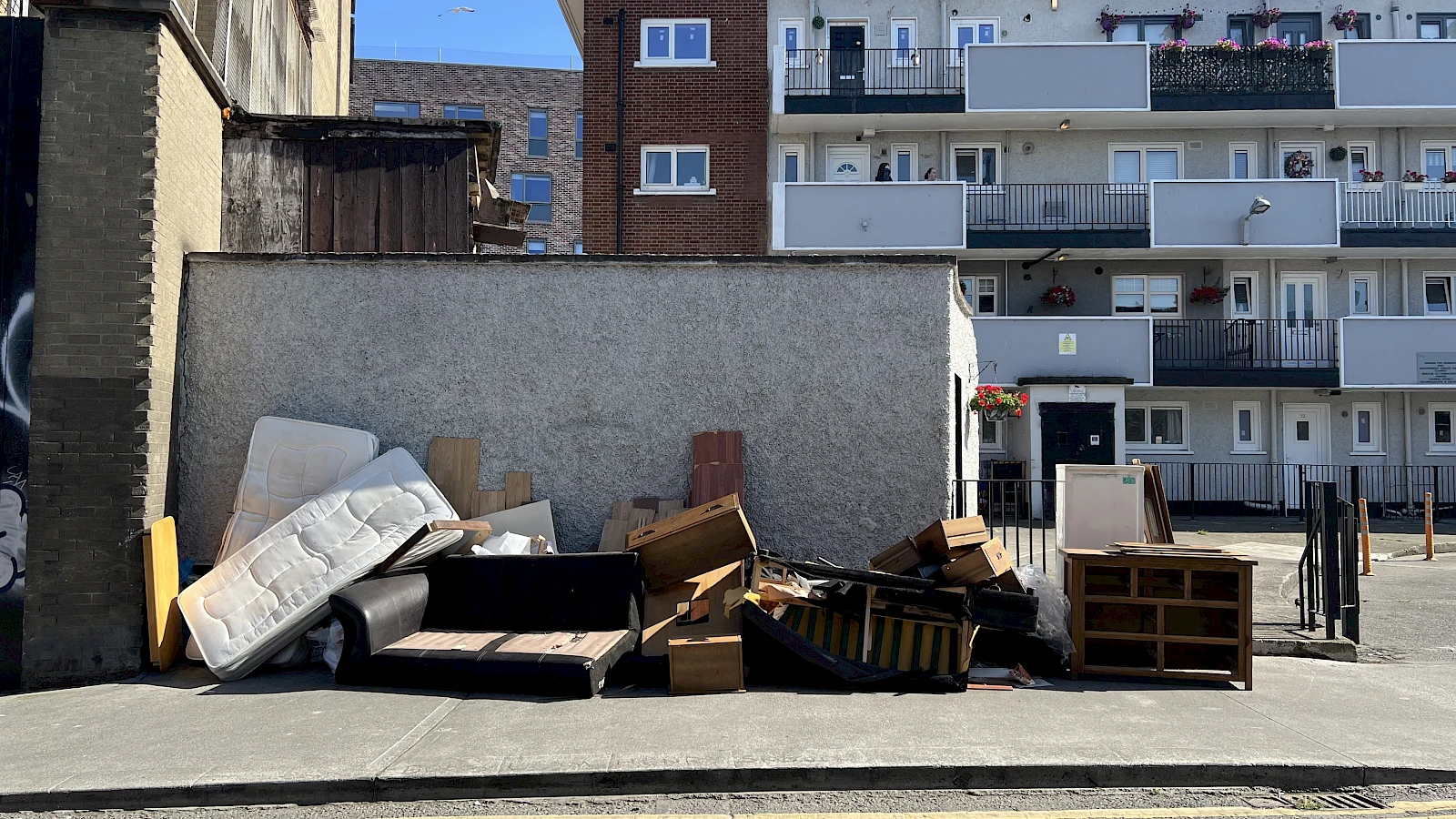
9 July, 5:16pm. The Liberties
During the visit to Belfast, I began thinking across The Troubles and the war in Eastern Ukraine (not comparable, but still). I think about how collective memory and political narratives shape personal identity. Donbas and Crimea have been under occupation for over a decade. I left when I was eight years old, when my parents sought a better future for our family. But I still ask myself: is Donbas still a part of me, and will I ever be able to return? Some people made their choice, but for many there was no choice at all. The central question for me is whether, after de-occupation, the people currently living under occupation in Donbas and Crimea will want to reintegrate. Parallels with the long process of reconciliation in Ireland are relevant here – they make us wonder whether we too can maintain our faith in a ‘bright future’.
I questioned everything during the week and understood that questioning is a form of self-improvement. If I question, I learn whilst not necessarily getting an answer right away. I always had a rule in my head: ‘If you don't know, keep quiet.’ But summer school taught me to ask questions not only to people, but also to myself. I questioned everything I saw and heard about so-called values, concepts and theories.
I sipped coffee from my thermos cup and asked Giulia about her curatorial experience in Italy. I love trying new things, but often I get stuck at the starting point. So, she enthusiastically talked to me while we were crossing invisible borders.
7th July, 11:30am. IMMA
Movies are screened in the museum’s grounds during the summer. The field looks like a picture from the ‘summer plans’ mood board. People come and watch films in the open air during the day. One day we had a workshop with Jill Jarvis. We discussed the work by Ammar Bouras that addresses In Ekker, the series of nuclear weapon tests carried out in Algeria by the French and which was shown at the 12th Berlin Biennale. The artist positions the work as art, not documentary. This is a question that has been on my mind. Who defines the boundaries of art? I only recently realised that documentary filmmaking is an art form. This is because the audience observes the world as seen through the filmmaker’s lens. This implies that the artist has incorporated their vision and perspective into their work, which automatically reflects their point of view.
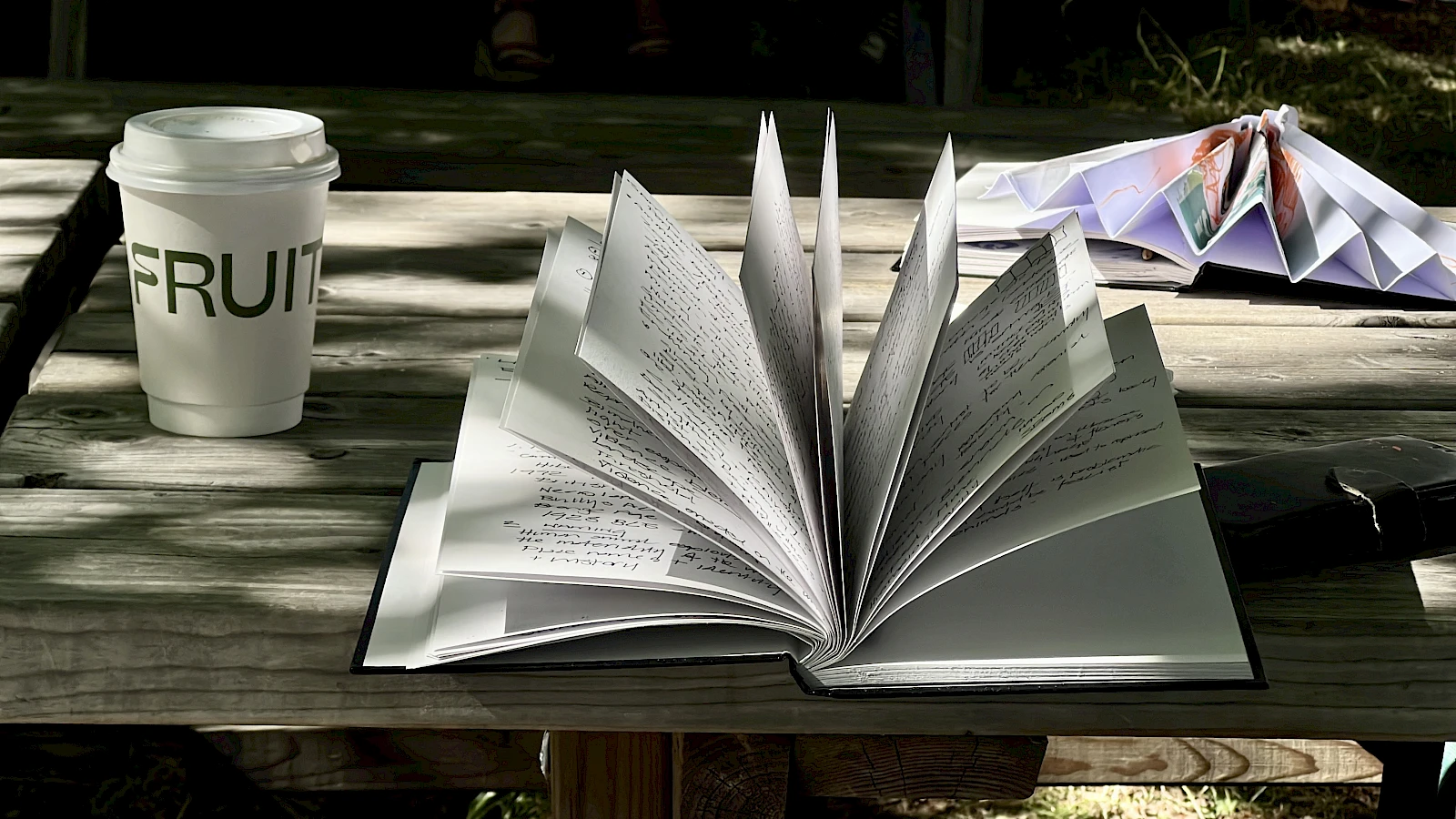
11 July, 4:27pm. IMMA, last talk
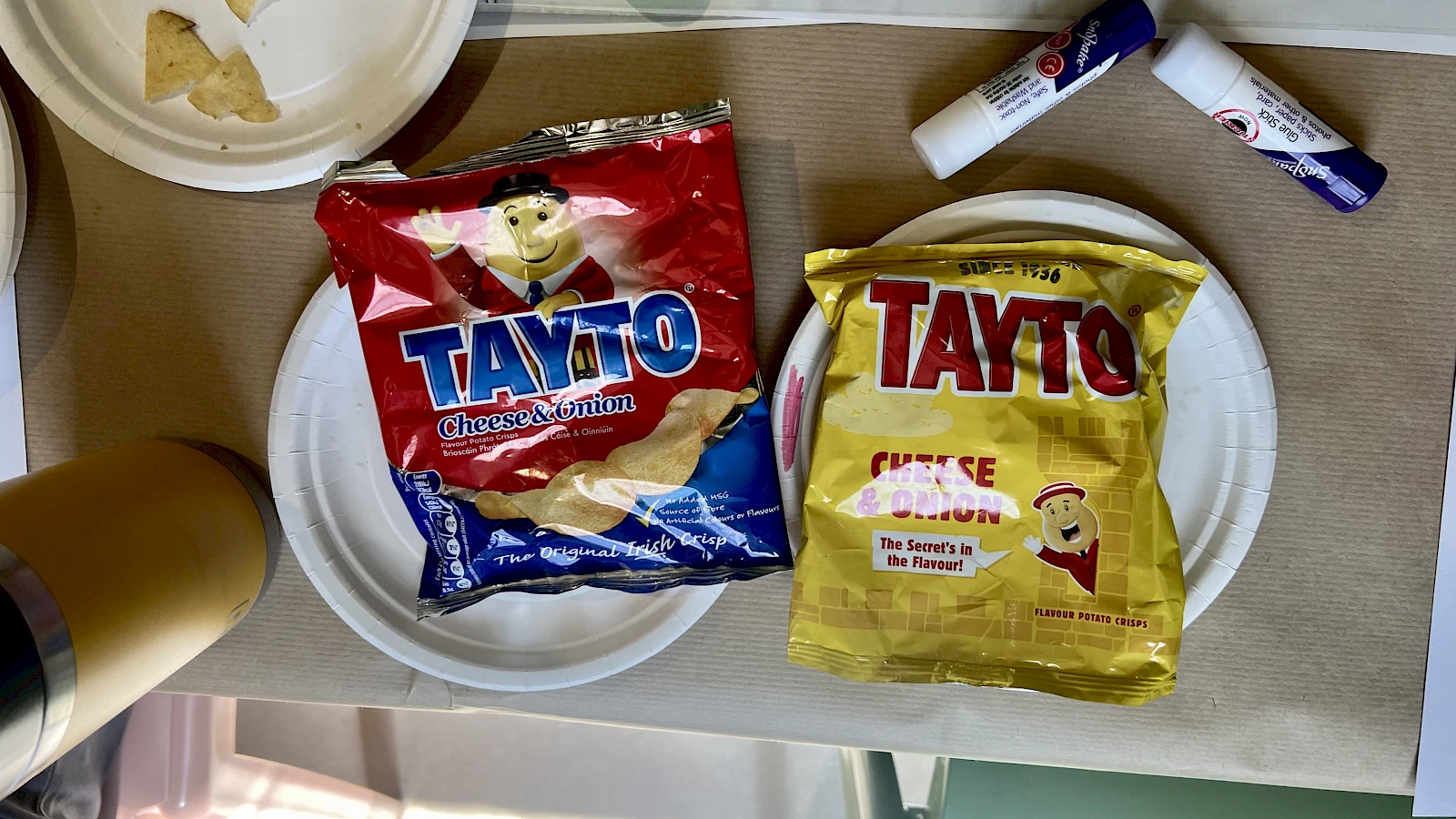
People have been an important part of the school for me. Momentary conversations during a break, on the way to the next location, over morning coffee, are so valuable and often overlooked. One of the conversations I remember was during our last task. We were eating Tayto chips, one packet made in the Republic of Ireland and the other in Northen Ireland (I figured out which was which easily).
11 July, 12:26pm. IMMA
Afterwards, we made our collages from cut-out newspapers. It was an absorbing process, everyone was immersed in their own collage, and together, we created a small universe.
Slinko was sitting across from me. Pain unites no less than common interest. Under these circumstances, I became more and more convinced that the desire to identify common origins had not disappeared. It’s like seeing a familiar face in a crowd. The day before, Slinko presented her work about Donbas. It was a story that prompted me to think about lands and landscapes. I shared with her my idea: ‘I want to create a work dedicated to my family. It has been haunting me for 11 years since I was born in Donbas.’ I often hear people saying things that make me believe that I am unimportant, that my family`s history is no longer relevant. Slinko brought me back to reality and I started thinking differently.
After an hour of work, we moved to a field under large trees. During this week, I thought more than once that IMMA would now become my special place in Dublin.
We sat and reflected on the week gone by. It’s weird, the feeling of wanting more becomes more intense when you come to the end.
Walking out of the museum gates, in the sunshine on the last day, my final thought was ‘the post-prefix doesn’t function yet’.
Related contributions and publications
-
Reading List: Summer School, Landscape (post) Conflict
Summer School - Landscape (post) ConflictSchoolsLand RelationsPast in the PresentIMMANCAD -
Decolonial aesthesis: weaving each other
Charles Esche, Rolando Vázquez, Teresa Cos RebolloLand RelationsClimate -
Climate Forum I – Readings
Nkule MabasoEN esLand RelationsClimateHDK-Valand -
…and the Earth along. Tales about the making, remaking and unmaking of the world.
Martin PogačarLand RelationsClimatePast in the Present -
Art for Radical Ecologies Manifesto
Institute of Radical ImaginationLand RelationsClimateInstitute of Radical Imagination -
Ecologising Museums
Land Relations -
Climate: Our Right to Breathe
Land RelationsClimate
Related activities
-
–IMMANCAD
Summer School: Landscape (post) Conflict
The Irish Museum of Modern Art and the National College of Art and Design, as part of L’internationale Museum of the Commons, is hosting a Summer School in Dublin between 7-11 July 2025. This week-long programme of lectures, discussions, workshops and excursions will focus on the theme of Landscape (post) Conflict and will feature a number of national and international artists, theorists and educators including Jill Jarvis, Amanda Dunsmore, Yazan Kahlili, Zdenka Badovinac, Marielle MacLeman, Léann Herlihy, Slinko, Clodagh Emoe, Odessa Warren and Clare Bell.
-
HDK-Valand
Climate Forum I
The Climate Forum is a space of dialogue and exchange with respect to the concrete operational practices being implemented within the art field in response to climate change and ecological degradation. This is the first in a series of meetings hosted by HDK-Valand within L'Internationale's Museum of the Commons programme.
-
–Van Abbemuseum
The Soils Project
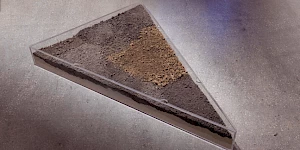
‘The Soils Project’ is part of an eponymous, long-term research initiative involving TarraWarra Museum of Art (Wurundjeri Country, Australia), the Van Abbemuseum (Eindhoven, Netherlands) and Struggles for Sovereignty, a collective based in Yogyakarta, Indonesia. It works through specific and situated practices that consider soil, as both metaphor and matter.
Seeking and facilitating opportunities to listen to diverse voices and perspectives around notions of caring for land, soil and sovereign territories, the project has been in development since 2018. An international collaboration between three organisations, and several artists, curators, writers and activists, it has manifested in various iterations over several years. The group exhibition ‘Soils’ at the Van Abbemuseum is part of Museum of the Commons. -
–MACBA
Where are the Oases?
PEI OBERT seminar
with Kader Attia, Elvira Dyangani Ose, Max Jorge Hinderer Cruz, Emily Jacir, Achille Mbembe, Sarah Nuttall and Françoise VergèsAn oasis is the potential for life in an adverse environment.
-
–Museo Reina Sofia
Team of Teams
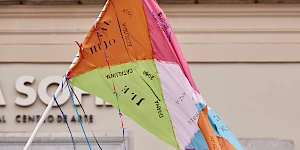
This project researches citizen participation as a fundamental pillar in the creation of community.
-
–tranzit.ro
Non-Western Technologies for the Good Life
The experimental course ‘Non-Western Technologies for the Good Life’ (November 2023–May 2024) celebrates as its starting point the anniversary of 50 years since the publication of Tools for Conviviality, considering that Ivan Illich’s call is as relevant as ever.
-
–Moderna galerijaZRC SAZU
Summer School: Our Many Easts
Our Many Easts summer school is organised by Moderna galerija in Ljubljana in partnership with ZRC SAZU (the Research Centre of the Slovenian Academy of Sciences and Arts) as part of the L’Internationale project Museum of the Commons.