Dispatch: a few notes on being of body and landscape
In her dispatch Rachele Riley revisits moments, encounters and reflections from the ‘Landscape (post) Conflict’ summer school in Dublin.
How does landscape feel in the body?
Sensing, body landscape, landscape as bodies/beings/values
Slinko invited us to respond to an artwork on her homeland, the Donbas, Ukraine, in her workshop and presentation, The Object of Value. Exploring multiple dimensions of sensing, positioning, Slinko expresses persistence and absence in war – the damages to elements of our lifeworld and to our memories. In Slinko’s spoken-word piece I feel the hurt on flowers, vegetables, soil. We feel it viscerally in our bodies. It is shared between us, across the distance, the plants are bodies, and we are landscape.
Breathing, documenting enduring impact without flattening understandings
Jill Jarvis’ research on the 17 nuclear bombs detonated in the Algerian Sahara between 1960 and 1966, and discussion of the film, 24°3’55”N5°3’23”E Traces by Ammar Bouras (screening on IMMA’s 'Living Canvas'), explores expressions of land, conflict, and body in relation to power, control, memory, and environmental injustice. Bouras’ film structure relates physicality to conducting nuclear bombing, and for each of the men featured in the film we learn of their activities and their distance/proximity to the violence that occurred. The photographic imagery of the site shows what is left from the 1960s, and is layered with the sound of the men featured, recalling memories, and fuses past and present. We learn how they feel now about the nuclear bombings, and hear in their voices and words a mixture of emotions (‘That’s it! It’s over, OK!’ – from one). The experience of watching the film on the lawn at IMMA extends the temporal and positional structure of the film – to our positions, in Dublin in 2025 – we reflect on the radioactivity released and consider Jarvis’ question, ‘when is the “post” of nuclear violence?’
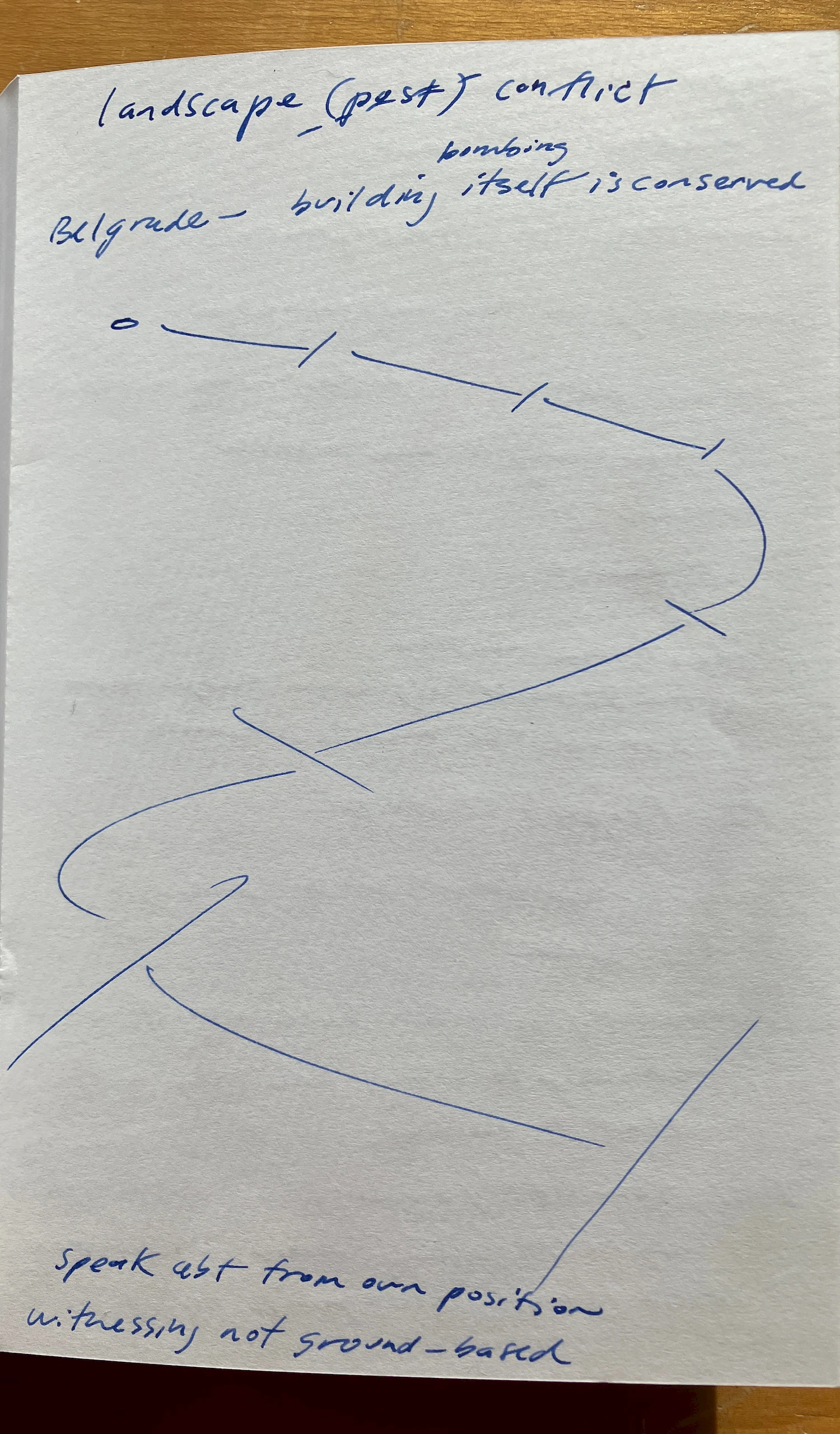
landscape (post) conflict – sketch of the structure of Bouras’ film 24°3’55”N5°3’23”E Traces
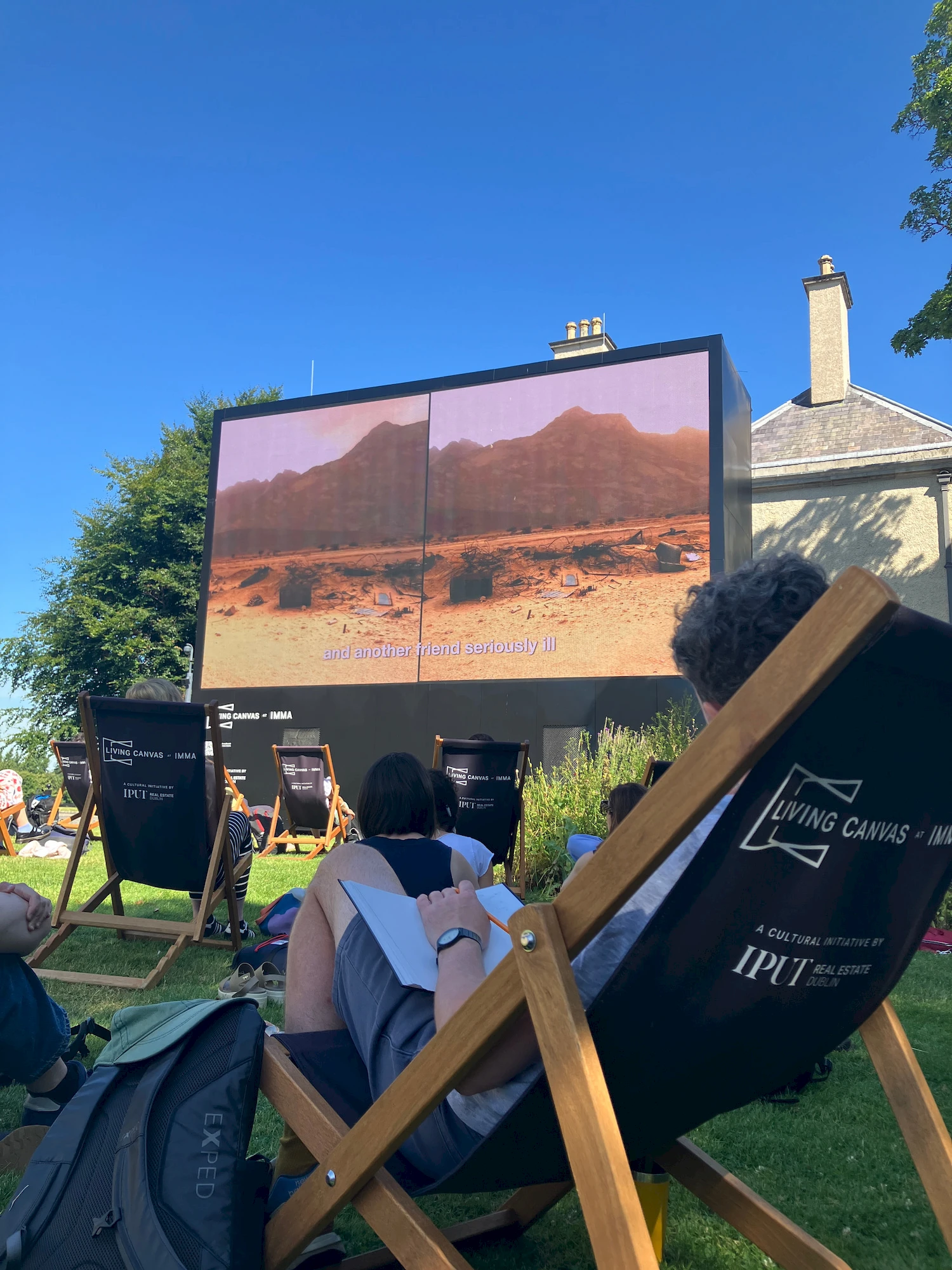
watching 24°3’55”N5°3’23”E Traces (film by Ammar Bouras) at IMMA
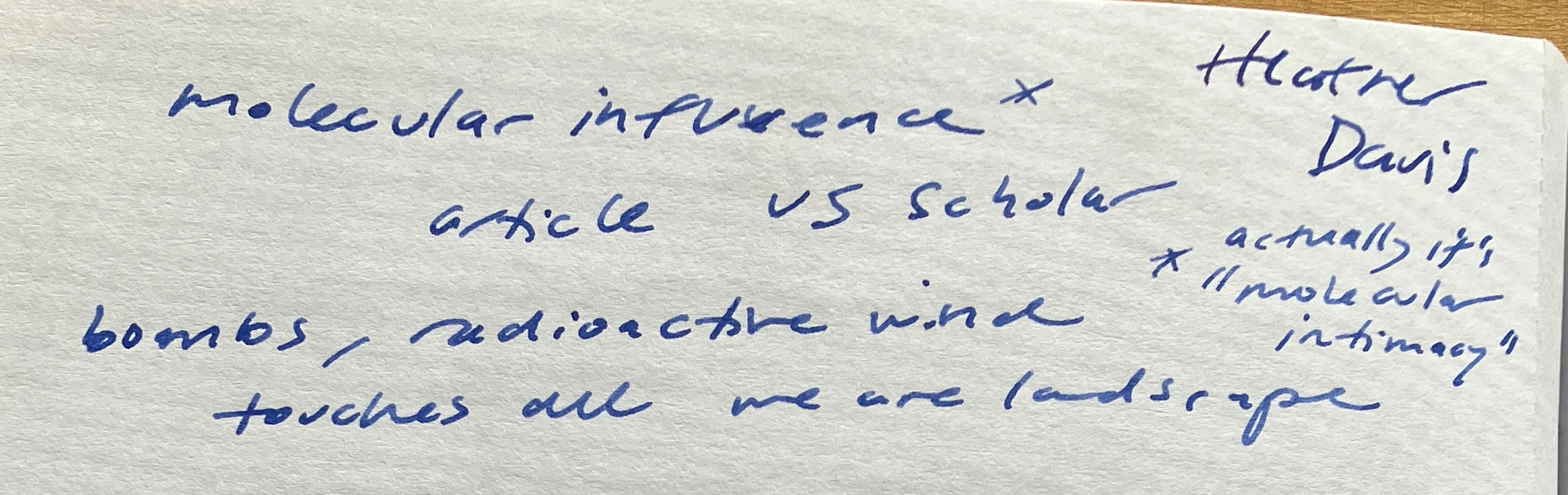
radioactive wind touches all we are landscape
A love of land
Odessa Warren, in her presentation, 'Landscapes of War and Resistance', shared the film Bayyaratina (our groves) by Suha Shaman. The film shows a relation of the land as body – land and its life-giving elements hurt through years of systemic violence. A Palestinian family whose ancient farms, lemon trees, beehives, palms, water wells and irrigation, are systematically destroyed by Israeli occupational forces. Shaman’s family’s love of land is their love for their family heritage and history, health, pleasure, and personal identity. War flattens landscape – physically: leveling plants, trees, buildings, and symbolically: reducing its visibility. Flattening textures, variety, flattening qualities and livelihoods, flattening perceptions. Warren calls upon us to counter the idea that there is ‘permanent war in the Middle East’ and instead to focus on persistence of life. ‘We cannot rely on colonialist structures to manifest change and justice.’ O. W.
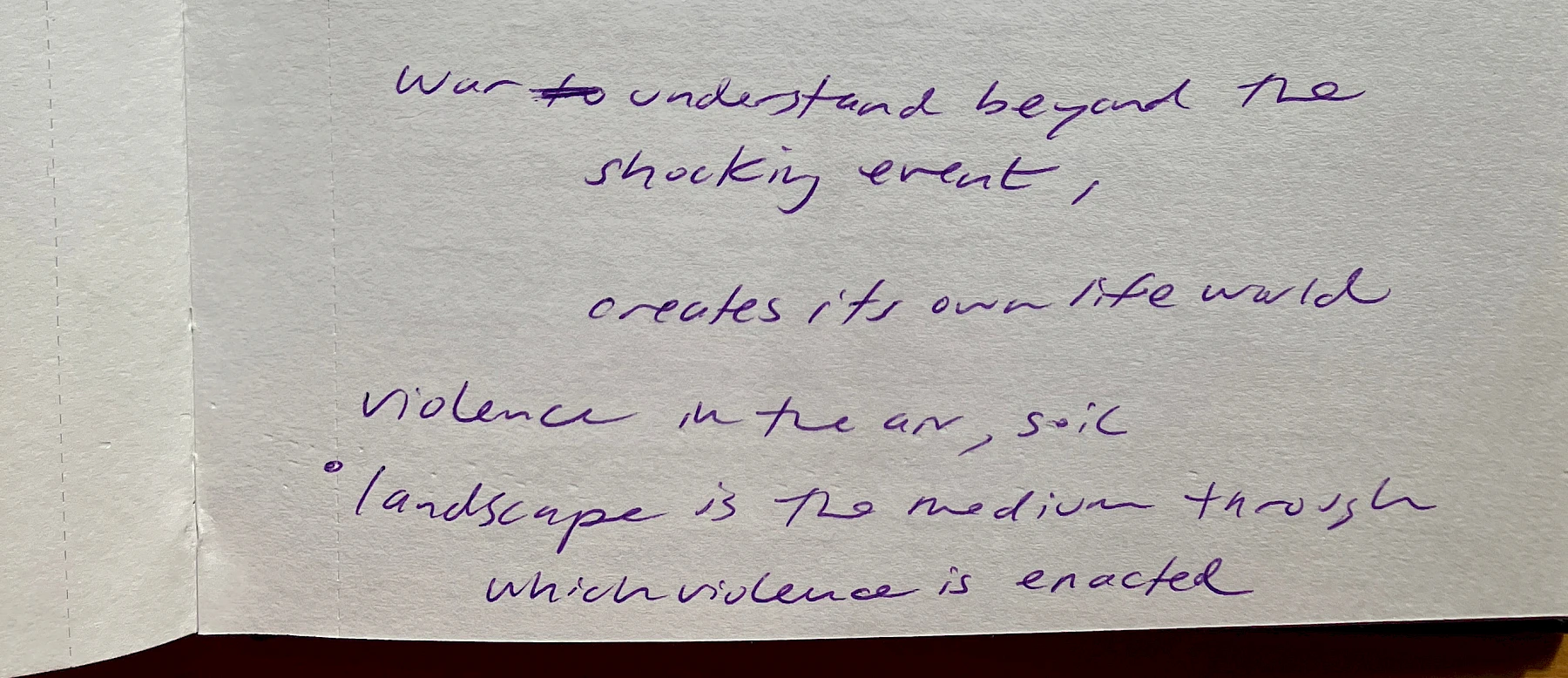
landscape is the medium through which violence is enacted
What can an image do / words, murals, memorials, film, visuals / what can aesthetics do?
Positioning, land, language, value, trauma, molecules
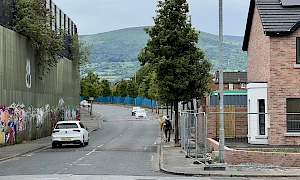
Clare Bell’s presentation on the Irish language as a divisive symbol – showed ways typography and letter forms mark boundaries of landscape and identity. Letters physically inhabit and create space. Of materials, situated, experiential. Bell’s collaboration on the design of a variable typeface which creates hybrid letter forms based on the position of a participant – blurs identity boundaries, blends perspectives and mark making.
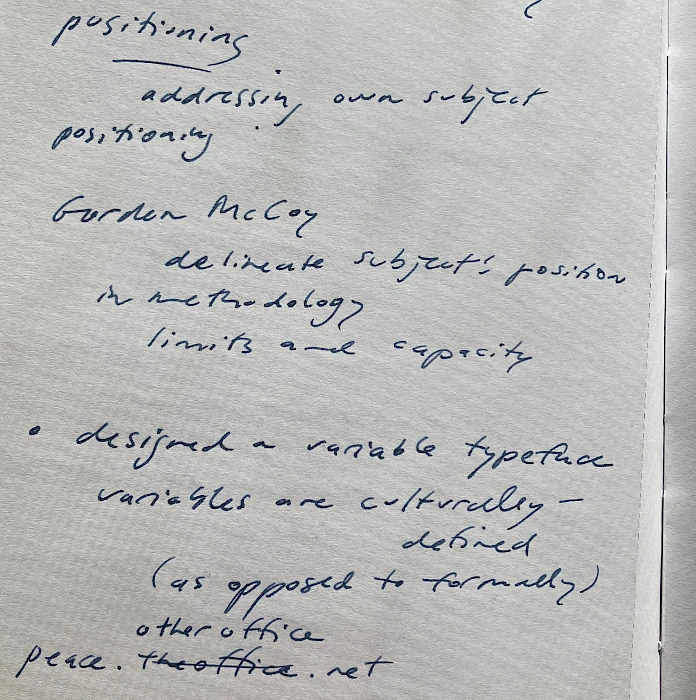
positioning
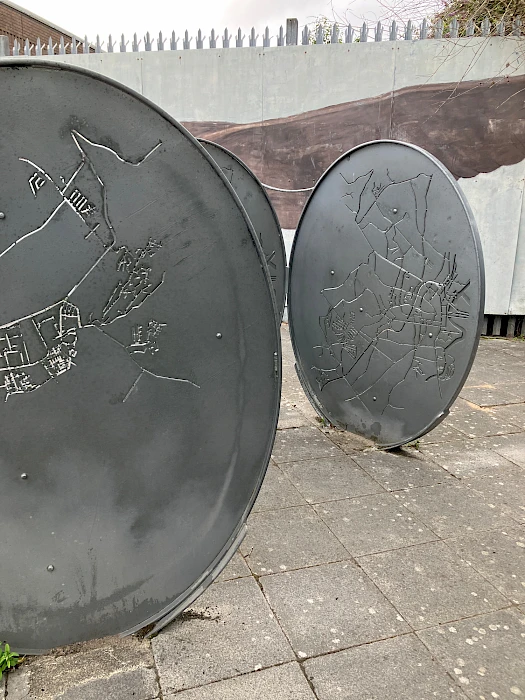
Shankhill neighborhood, Belfast
Conceptualizing, expressing through time, bodily engagement
Amanda Dunsmore’s presentation and workshop brought us to our body via music, food, hands-on working with paper. Dunsmore discussed duration and responsibility in artistic practice, and shared an example of holding onto materials for years before using in an artwork – resisting the urge to immediately produce – and instead waiting until the public was ready. Protection and patience are present in Dunsmore’s durational project – doing a drawing weekly until the referendum on the Shared Island initiative is resolved. Dunsmore shares value through works of durational study and ‘dedicated bodily engagement’ – the aesthetics are her lived experience.
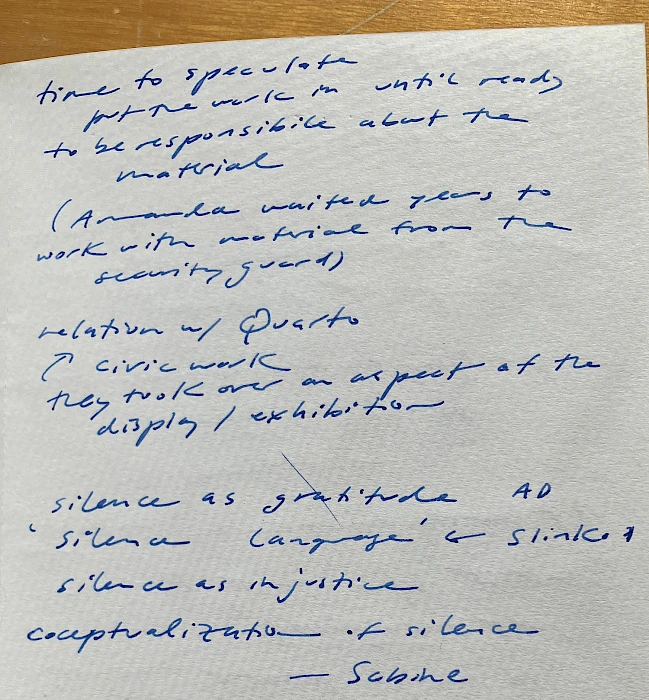
time to speculate, put the work in until ready, to be responsible about the material
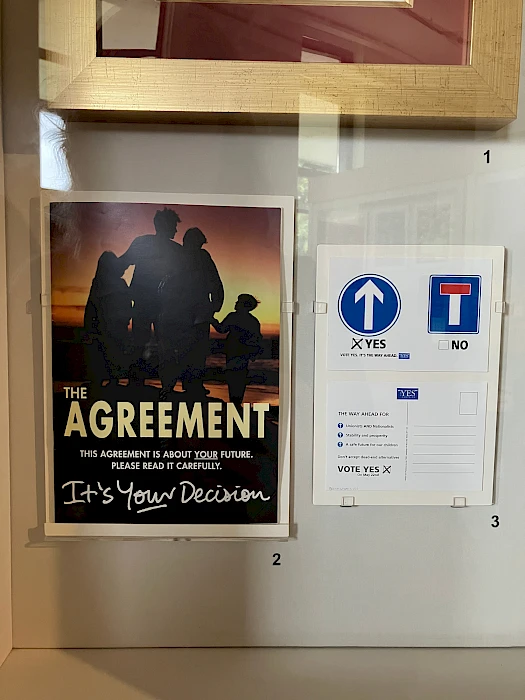
The Agreement brochure from 10 April, 1998, at the Ulster Museum, Belfast
Resisting, finding counter-balanced movement, action together, and trusting our weight, touch
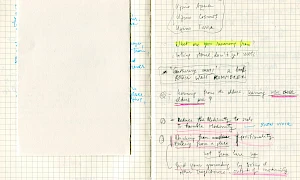
In Léann Herlihy’s cooperative workshop, 'On the Ropes', we gathered on Croppy’s Acre, north of the Liffey – a mass grave site of Irish rebel casualties of the 1798 Irish Rebellion. Herlihy presents self-defense acts of resistance, and resistance is distinct from resilience. In one group exercise we pull a rope on opposite sides, and the point is to create – with resistance – an equilibrium. This (rope) line drawn on the landscape persists in my mind. I hold onto it, doing daily sketches as an extension of Herlihy’s workshop ideas, and of the many points of the Summer School research – keeping it closely felt and present.
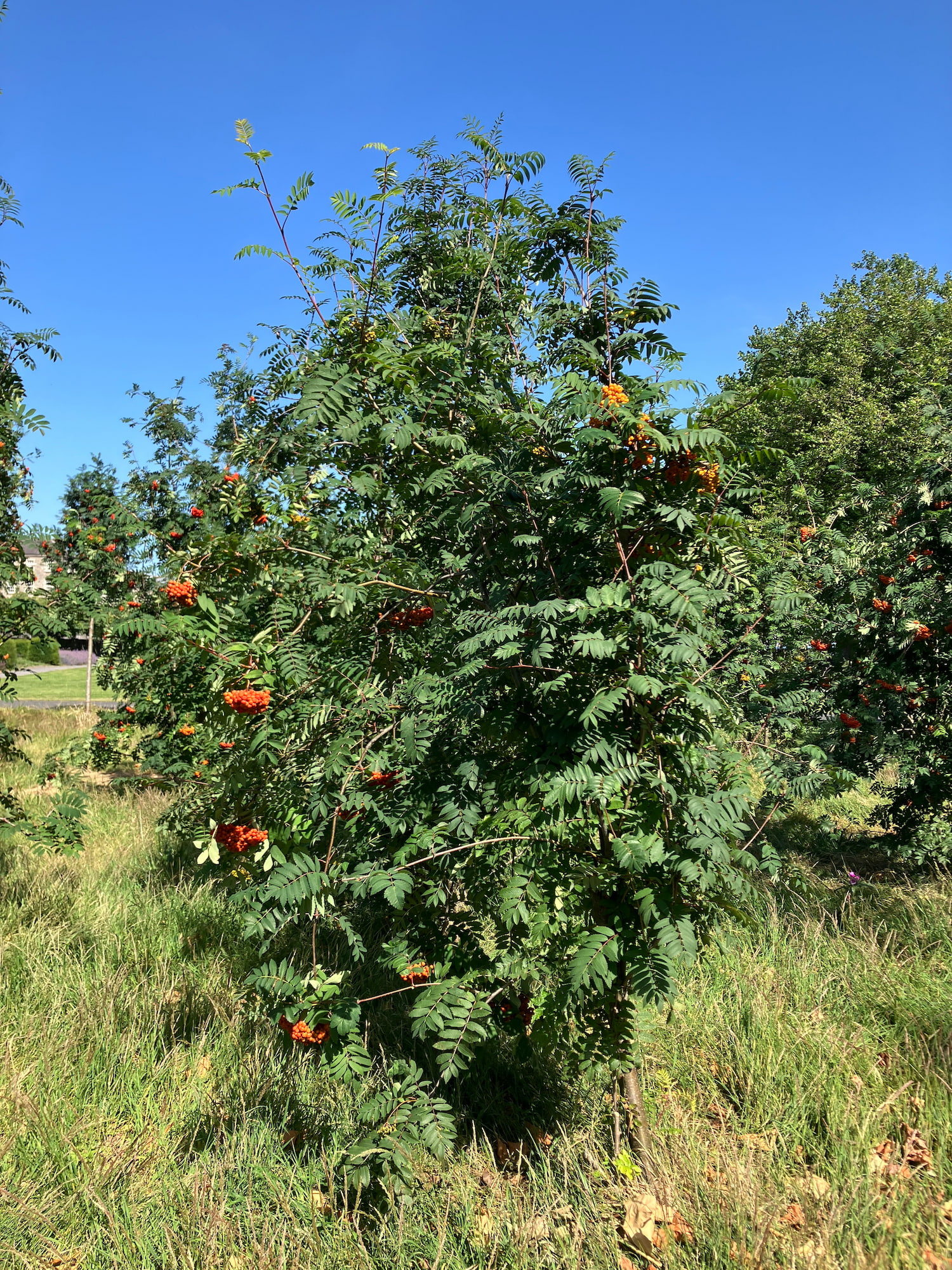
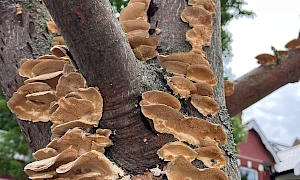
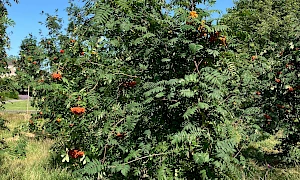
Sea Buckthorn at Croppy’s Acre, Dublin. All photos: Rachele Riley
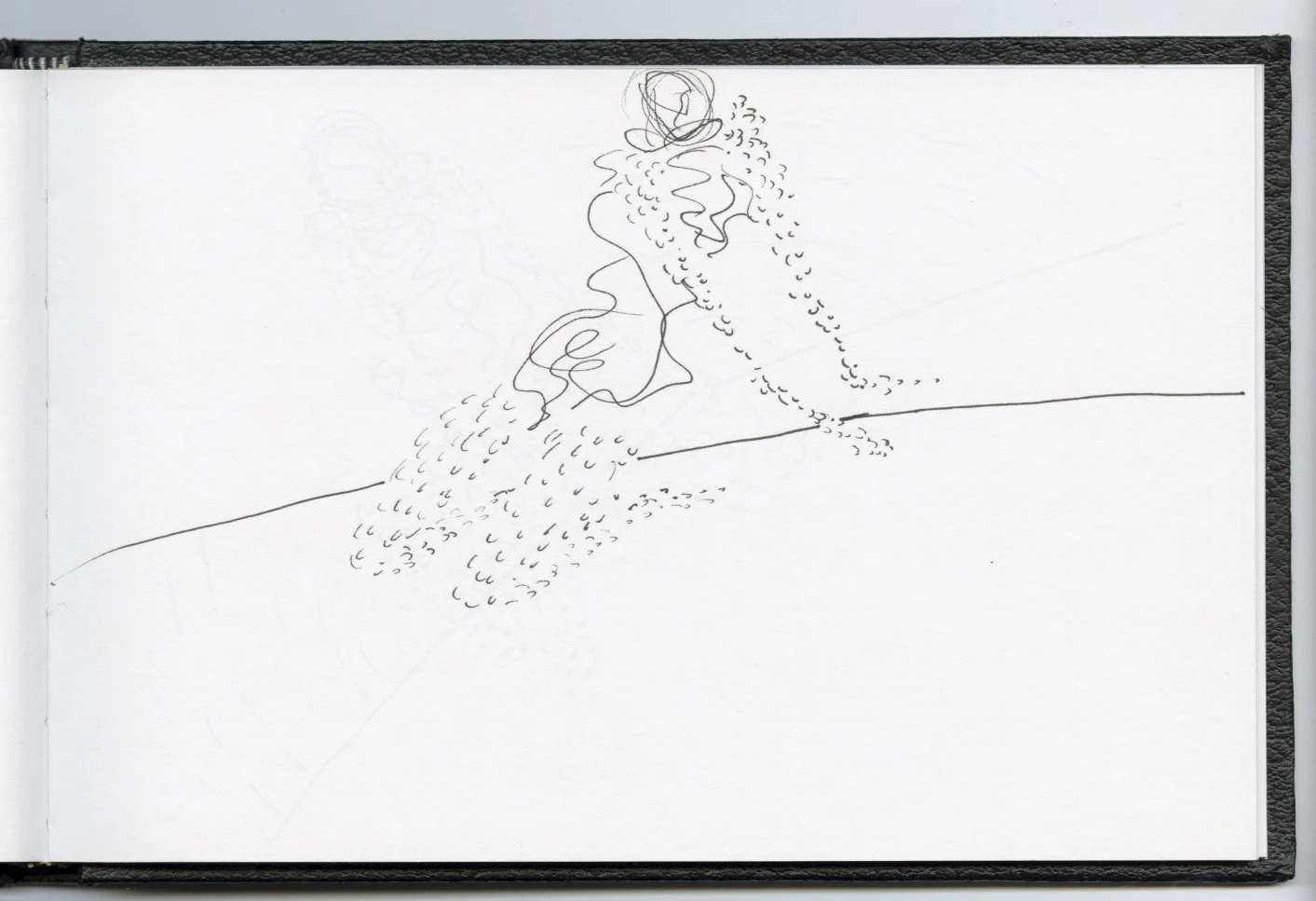
Rachele Riley, durational drawing inspired by 'On the Ropes', 2025
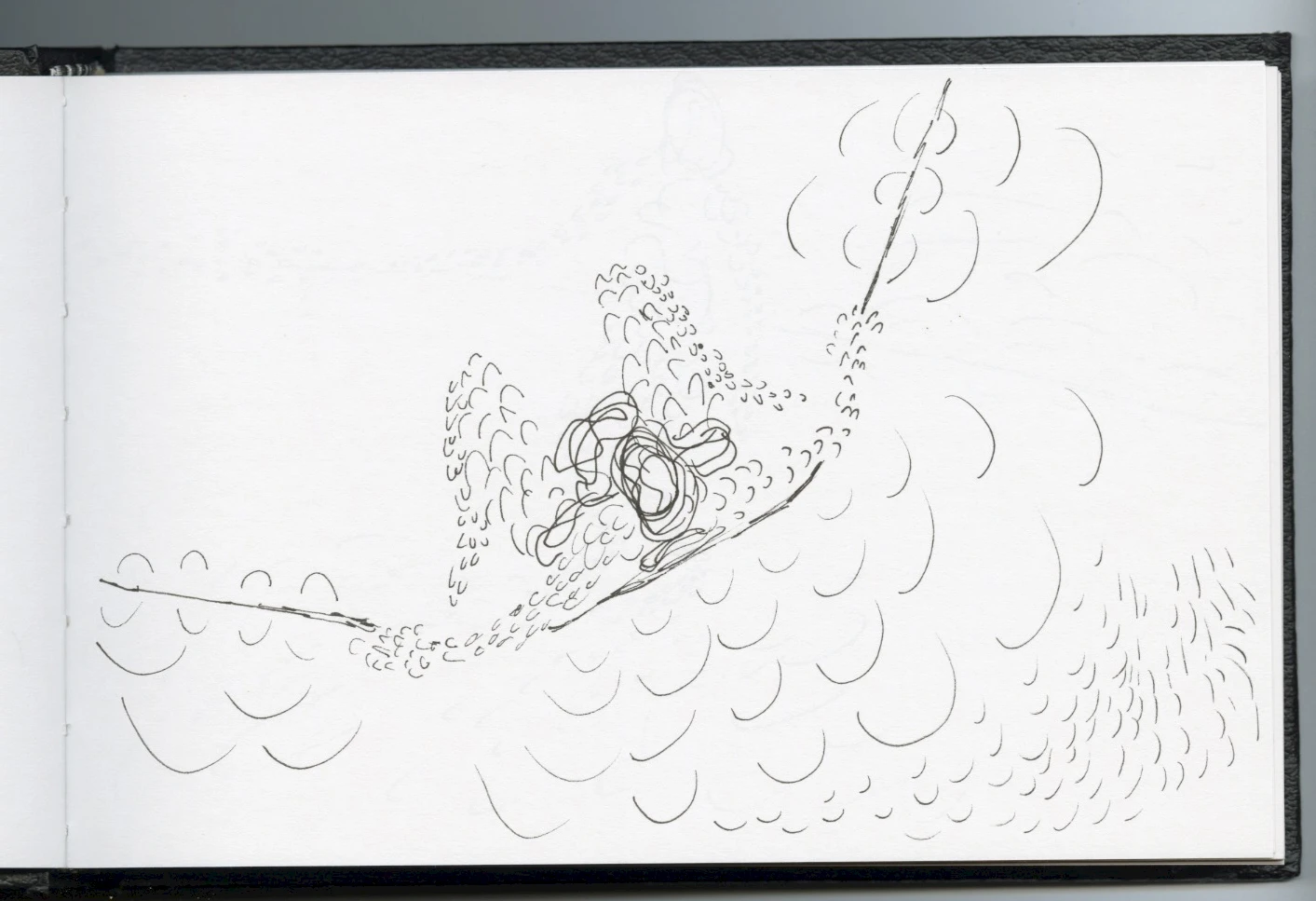
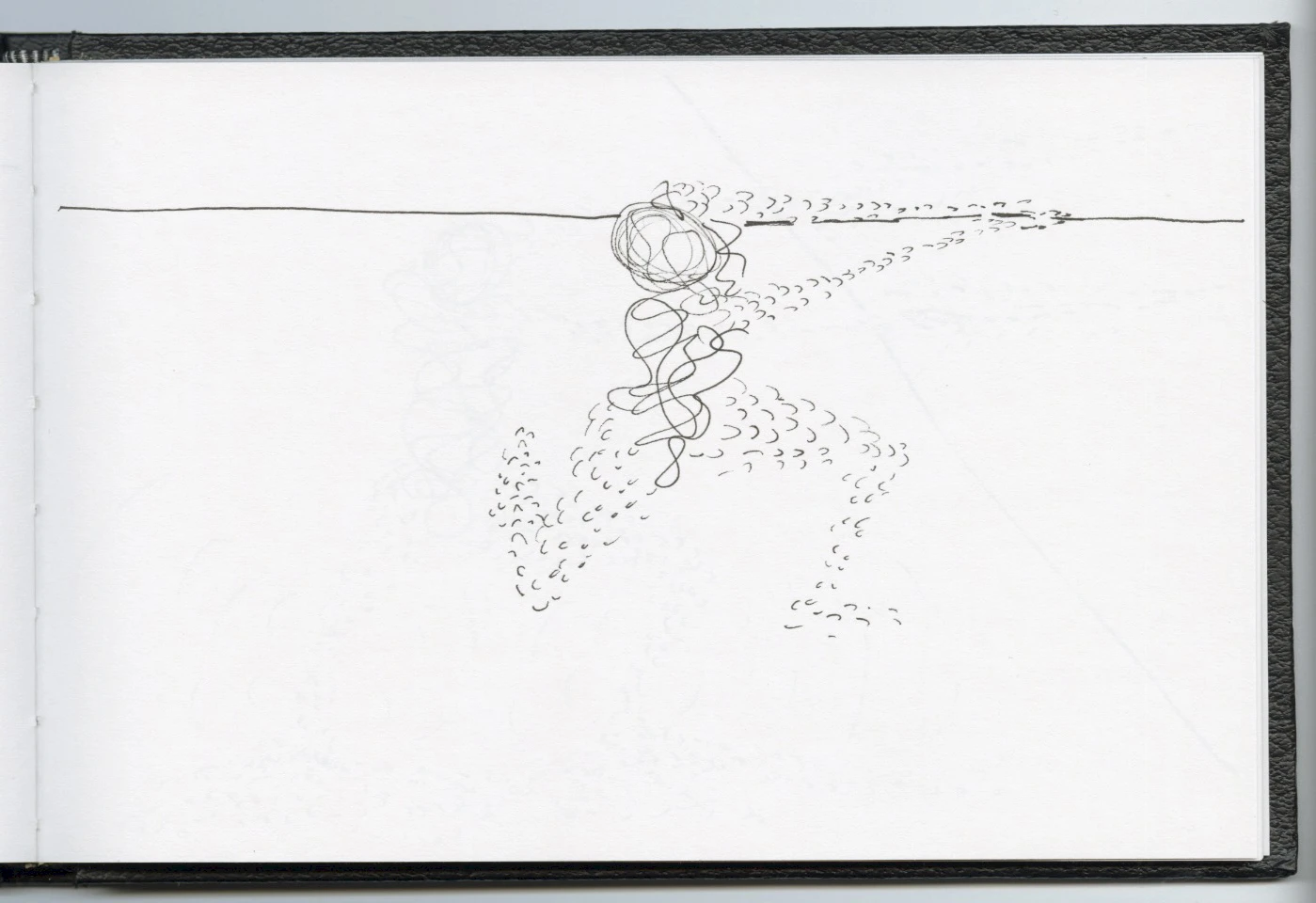
Related activities
-
–MACBA
Where are the Oases?
PEI OBERT seminar
with Kader Attia, Elvira Dyangani Ose, Max Jorge Hinderer Cruz, Emily Jacir, Achille Mbembe, Sarah Nuttall and Françoise VergèsAn oasis is the potential for life in an adverse environment.
-
–Museo Reina Sofia
Team of Teams
This project researches citizen participation as a fundamental pillar in the creation of community.
-
–tranzit.ro
Non-Western Technologies for the Good Life

The experimental course ‘Non-Western Technologies for the Good Life’ (November 2023–May 2024) celebrates as its starting point the anniversary of 50 years since the publication of Tools for Conviviality, considering that Ivan Illich’s call is as relevant as ever.
-
–Moderna galerijaZRC SAZU
Summer School: Our Many Easts
Our Many Easts summer school is organised by Moderna galerija in Ljubljana in partnership with ZRC SAZU (the Research Centre of the Slovenian Academy of Sciences and Arts) as part of the L’Internationale project Museum of the Commons.
-
–MSU ZagrebVan AbbemuseumModerna galerijaZRC SAZU
Open Call – School of Common Knowledge 2024
MSU (Zagreb), Van Abbemuseum (Eindhoven), MG+MSUM (Ljubljana), ZRC SAZU (Ljubljana) and L'Internationale invite applications for the new School of Common Knowledge (SCK) to be held in Zagreb and Ljubljana 24–29 May 2024. The School of Common Knowledge draws on the network, knowledge and experience of the L’Internationale museum confederation. Its ambition is to be both nomadic and situated, looking at specific cultural and geopolitical situations while exploring their relations and interdependencies with the rest of the world. The SCK is built on the basis laid by the Glossary of Common Knowledge project initiated by Zdenka Badovinac and Moderna galerija (Ljubljana) and continues its co-learning methodology.
-
–MSU ZagrebModerna galerijaZRC SAZU
School of Common Knowledge 2024
School of Common Knowledge draws on the network, knowledge and experience of the L’Internationale museum confederation. Built on the basis laid by the Glossary of Common Knowledge, a project initiated by Zdenka Badovinac and Moderna Galerija in Ljubljana, it continues its co-learning methodology. Its ambition is to be both nomadic and situated, looking at specific cultural and geopolitical situations while exploring their relations and interdependencies with the rest of the world.
-
NCAD
Book Launch: Collective Study in Times of Emergency, Dublin
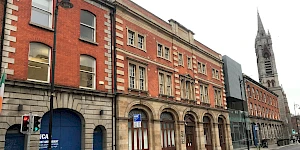
with Nick Aikens (L'Internationale Online / HDK-Valand) and members of the L'Internationale Online editorial board: Maria Berríos, Sheena Barrett, Sara Buraya Boned, Charles Esche, Sofia Dati, Sabel Gavaldon, Jasna Jaksic, Cathryn Klasto, Magda Lipska, Declan Long, Francisco Mateo Martínez Cabeza de Vaca, Bojana Piškur, Tove Posselt, Anne-Claire Schmitz, Ezgi Yurteri, Martin Pogacar, and Ovidiu Tichindeleanu, 18h00, Harry Clark Lecture Theatre, NCAD
-
–Museo Reina SofiaMACBA
Open Call – School of Common Knowledge 2025
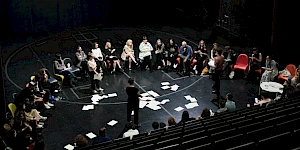
Museo Reina Sofía and MACBA Museu d’Art Contemporani de Barcelona (MACBA) invite applications for the 2025 iteration of the School of Common Knowledge, which will take place in Madrid and Barcelona 11-16 November 2025. The School of Common Knowledge (SCK) draws on the network, knowledge and experience of L’Internationale. Its ambition is to be both nomadic and situated, looking at specific cultural and geopolitical situations while exploring their relations and interdependencies with the rest of the world. This year, the SCK program focuses on the contested and dynamic notions of rooting and uprooting in the framework of present – colonial, migrant, situated, and ecological – complexities. Building on the legacy of the Glossary of Common Knowledge and the current European program Museum of the Commons, the SCK invites participants to reflect on the power of language to shape our understanding of art and society through a co-learning methodology.
-
–IMMANCAD
Summer School: Landscape (post) Conflict
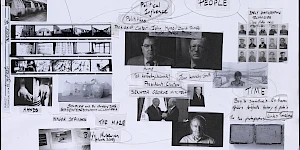
The Irish Museum of Modern Art and the National College of Art and Design, as part of L’internationale Museum of the Commons, is hosting a Summer School in Dublin between 7-11 July 2025. This week-long programme of lectures, discussions, workshops and excursions will focus on the theme of Landscape (post) Conflict and will feature a number of national and international artists, theorists and educators including Jill Jarvis, Amanda Dunsmore, Yazan Kahlili, Zdenka Badovinac, Marielle MacLeman, Léann Herlihy, Slinko, Clodagh Emoe, Odessa Warren and Clare Bell.
-
MACBA
PEI Obert: Bodies of Evidence. A lecture by Ido Nahari and Adam Broomberg
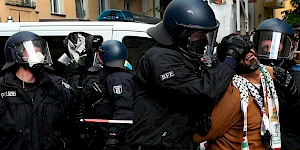
In the second day of Open PEI, writer and researcher Ido Nahari and artist, activist and educator Adam Broomberg bring us Bodies of Evidence, a lecture that analyses the circulation and functioning of violent images of past and present genocides. The debate revolves around the new fundamentalist grammar created for this documentation.
-
HDK-Valand
MA Forum in collaboration with LIO: Cathryn Klasto

In this MA Forum we welcome artist and researcher Cathryn Klasto. This talk will share some working insight into Klasto’s ongoing book project ‘Space Trekking’. The book is a collection of visual essays which tries to reveal the relationship between artistic research, ethics and interstellar spatial phenomena storied within the Star Trek universe.
Related contributions and publications
-
Glossary of Common Knowledge, Vol. 2
Schools -
Glossary of Common Knowledge
Schools -
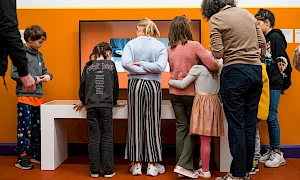
Towards Collective Learning, or, Decompartmentalizing Education
María Berríos, Fran MM Cabeza de Vaca, Yolande Zola Zoli van der Heide, Nick AikensSchoolsSituated Organizations -
Dispatch: Harvesting Non-Western Epistemologies (ongoing)
Adelina LuftLand RelationsSchoolsClimatetranzit.ro -
Dispatch: From the Eleventh Session of Non-Western Technologies for the Good Life
Ana KunLand RelationsSchoolstranzit.ro -
Reading list: School of Common Knowledge 2024
School of Common KnowledgeSchoolsSituated OrganizationsMSU ZagrebModerna galerijaZRC SAZU -
Dispatch: Practicing Conviviality
Ana BarbuClimateSchoolsLand Relationstranzit.ro -
Dispatch: Notes on Separation and Conviviality
Raluca PopaLand RelationsSchoolsSituated OrganizationsClimatetranzit.ro -
Dispatch: A Shared Dialogue
Irina Botea Bucan, Jon DeanLand RelationsSchoolsClimatetranzit.ro -
Dispatch: In between the lessons. Staying together in uncertain times, laughing in the face of trouble, and disobeying; the future belongs to us
Antonela SoleničkiSchoolsSituated OrganizationsMSU ZagrebModerna galerijaZRC SAZU -
Dispatch: The Commonsverse and Situated Organisations – or why the era of big institutions will come to an end
Denise PolliniSchoolsSituated OrganizationsMSU ZagrebModerna galerijaZRC SAZU -
Dispatch: A Buriti Tree
Lucas PrettiSchoolsSituated OrganizationsMSU ZagrebModerna galerijaZRC SAZU -
Poner el nombre a una causa en tierra extraña
Dagmary Olívar Graterol, Paola de la Vega VelasteguiEN esSchoolsSituated OrganizationsMuseo Reina Sofia -
Dispatch: To whom it may concern – the voice of the censor and re-calibrating words as an act of survival
AnonymousSchoolsSituated OrganizationsMSU ZagrebModerna galerijaZRC SAZU -
Rethinking Comradeship from a Feminist Position
Leonida KovačSchoolsInternationalismsSituated OrganizationsMSU ZagrebModerna galerijaZRC SAZU -
Reading list - Summer School: Our Many Easts
Summer School - Our Many EastsSchoolsPast in the PresentModerna galerija -
Dispatch: ‘I don't believe in revolution, but sometimes I get in the spirit.’
Megan HoetgerSchoolsPast in the Present -
Dispatch: Notes on (de)growth from the fragments of Yugoslavia's former alliances
Ava ZevopSchoolsPast in the Present -
Dispatch: A Silent Conversation
Anela DumonjićSchoolsModerna galerija -
Taking Part. A Guide to Participatory Tools and Techniques
EN esSchoolsSituated OrganizationsMuseo Reina Sofia -
Atención: participar en el Museo de los Comunes
Fran MM Cabeza de VacaEN esSchoolsSituated Organizations -
Reading List: Summer School, Landscape (post) Conflict
Summer School - Landscape (post) ConflictSchoolsLand RelationsPast in the PresentIMMANCAD -
Dispatch: Reenacting the loop. Notes on conflict and historiography
Giulia TerralavoroSchoolsLand RelationsIMMANCAD -
Dispatch: Haunting, cataloging and the phenomena of disintegration
Coco GoranSchoolsLand RelationsIMMANCAD -
Dispatch: Landescape – bending words or what a new terminology on post-conflict could be
Amanda CarneiroSchoolsLand RelationsIMMANCAD -
Dispatch: Landscape (Post) Conflict – Mediating the In-Between
Janine DavidsonSchoolsLand RelationsIMMANCAD -
Dispatch: Excerpts from the six days and sixty one pages of the black sketchbook
Sabine El ChamaaSchoolsLand RelationsIMMANCAD -
Dispatch: Withstanding. Notes on the material resonance of the archive and its practice
Giulio GonellaSchoolsLand RelationsIMMANCAD -
Schools: Editorial
L'Internationale Online Editorial BoardSchools -
Dispatch: Between Pages and Borders – (post) Reflection on Summer School ‘Landscape (post) Conflict’
Daria RiabovaSchoolsLand RelationsIMMANCAD -
Reading list: October School. Reimagining Institutions
October SchoolSchoolsSituated OrganizationsClimateMSU Zagreb -
Dispatch: Notes On Generosity
Amanda Macedo MacedoSchoolsMuseo Reina SofiaMACBA -
Dispatch: The first and obvious separation is between
KroplyaSchoolsMuseo Reina SofiaMACBA -
Dispatch: Belonging, Dialogue, and Co-Learning
Nurgul BalacSchoolsMuseo Reina SofiaMACBA -
FIELD Guide – A Terrestrial Lexicon & Multispecies Index
Land RelationsClimateNCAD -
Dispatch: Friendship as Methodology / Friendship as Institution
Orlà Brachi, Finnuala BrettSchoolsMSU Zagreb -
Dispatch: a few notes on being of body and landscape
Rachele RileySchoolsNCADIMMA