To Build an Ecological Art Institution: The Experimental Station for Research on Art and Life
This text, written from the perspective of The Experimental Station for Research on Art and Life, set up by a group of cultural workers including Ovidiu Ţichindeleanu and Raluca Voinea as well as tranzit.ro, narrates the arrival of the artists to Siliștea Snagovului in Romania. The station was tired and weary – worried by the rising heat and dry days and disillusioned by human’s extraction from the soil and inability to live peacefully with one another. It asks that we take seriously the questions of institution building, of who and what it is for, and of forging a relationship to the land based on mutuality. The contribution is part of Art for Radical Ecologies (Manifesto).
The starting point for thinking ecology from the world cannot be a point that is off-ground, off-world, off-planet, and it cannot be expressed from a being without a body, without color, without flesh, and without a story.
– Malcom Ferdinand, 20221
The wind is blowing at 50 km/h and it is 21°C, plus. For early February, this is excessively warm. I don’t mind having the sun defrosting my clayish body of soil, but I fear the trees will misunderstand this temperature and start their vegetation too soon, at the risk of being frozen during the capricious days of March. There are legends in this corner of the world, about an old angry woman who set out to search for the spring, taking out successively her layers of coats in the heat of the sun, only to see the weather change suddenly and thus freezing to her death.
Last year it rained a cold, muddy rain the whole month of March. The people taking care to transform my exhausted body into a flourishing garden were unable to plant much. I was grateful for their unwillingness to bring the heavy machines that I am so used to, which until recently were tilling my upper strata of soil, to make sure the monocultures they were sowing did not have to compete with unwanted vegetal beings. I still have the memory of the forest that once covered my body, before people started to inhabit these lands; even later, when they were just surviving on my back, their existences were not intrusive; we could exchange gifts and I offered my full sustenance to their temporary stays. The villagers were building small houses, using some of the clay I was providing, mixed with sand, water, horse manure and straws. The houses smelled good in winter, heated by the wood in the stoves. The stoves and their bowls for food were also made using my flesh. Thus, I could feel a continuum between my body and their lives, and I was supportive in growing the plants that provided them with daily subsistence, with materials for clothes, or for baskets and roofs, for medicine and for enjoyment.
It all changed when the threshers and the seeders appeared, with their metallic bodies, big wheels, spiky tails and fuming horns. Their drivers didn’t even come down with their feet on my surface, to feel my shivers; there were no ways I could communicate with them anymore, in the absence of direct contact. And yet I was lucky: intensive agriculture wasn’t the worst thing that could happen to me. When I looked north, only 20 km away, my fellow lands were pierced through, daily, for their black blood, or south, some 40 km away, concrete foundations and endless rusty pipes carrying shit had forever shaped my sister soils into strata of breathless misery. At least I could still see the sky, the wheat ears were gently listening to my moans, and on my edges there were bushes feeding and nestling the birds.
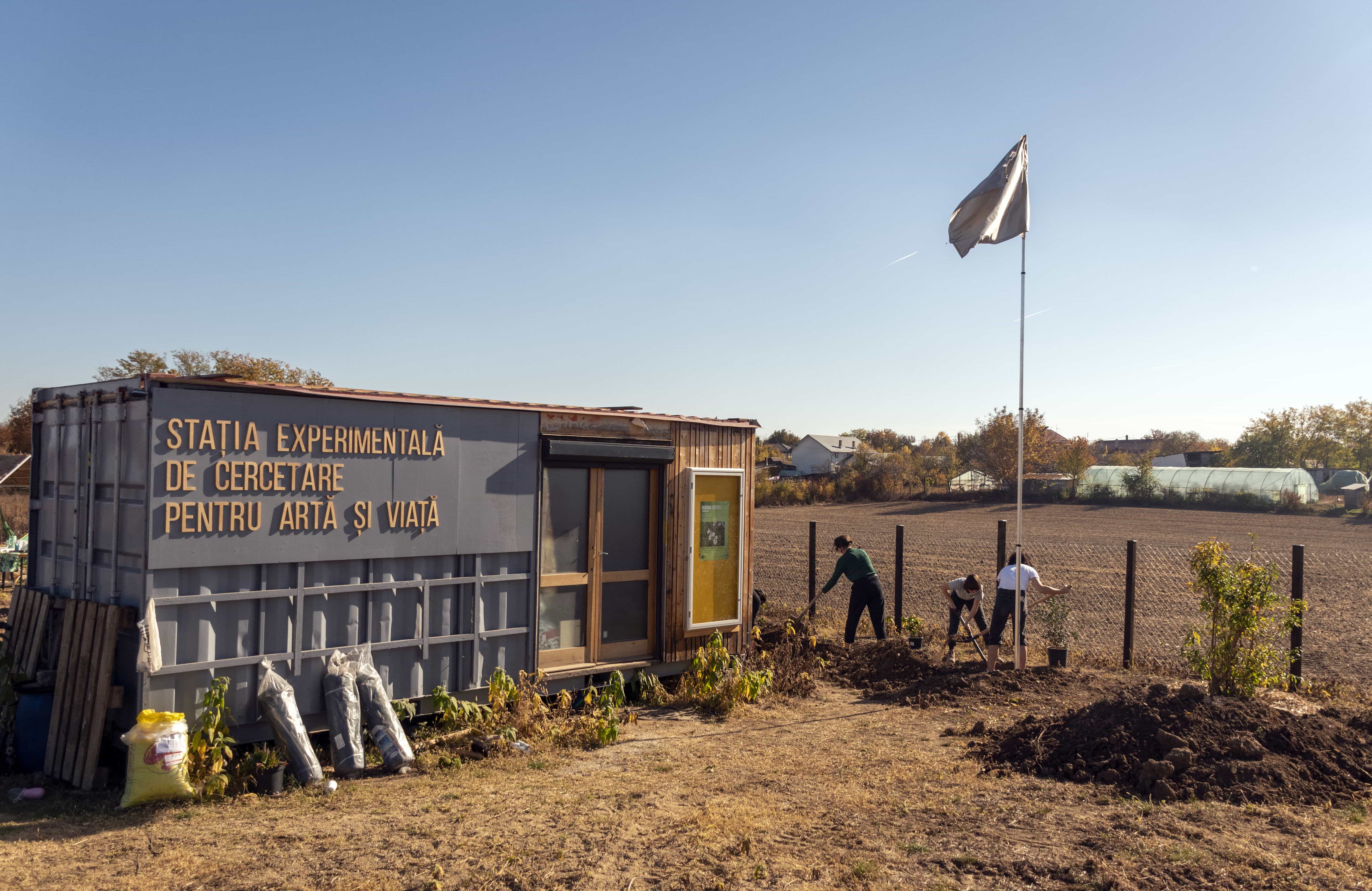
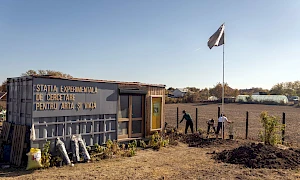
Container by studioBASAR. Flag by Marx Machines Inc. (Filip Herbert, Anna Olszewska), installed within the framework of the project ‘Lectures on the Weather’, curated by Anna Smolak, 2022. Cosmos Garden planting, 29 October 2022. Photo: Catrinel Toncu
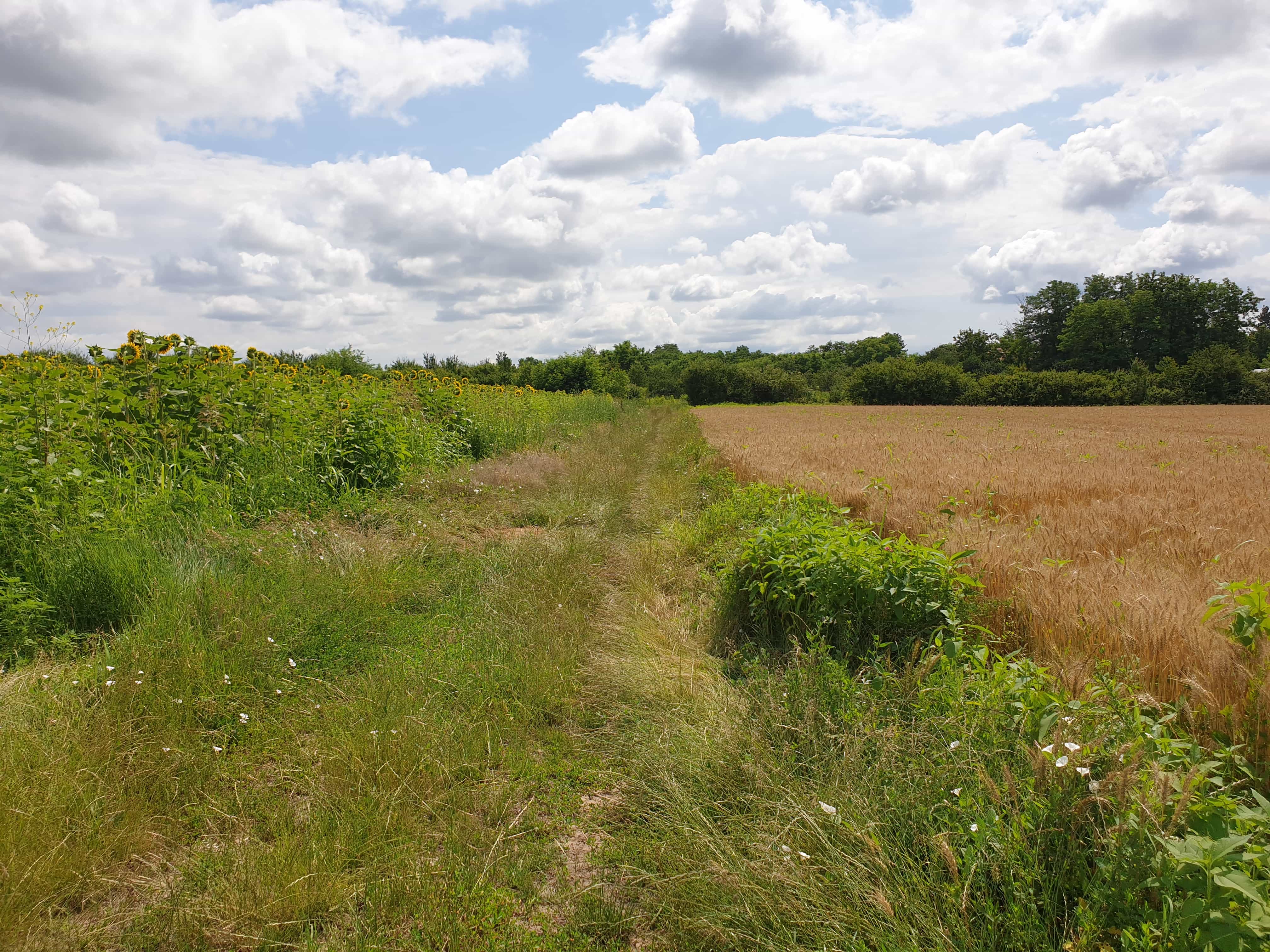
The Station with wheat and sunflower, July 2021
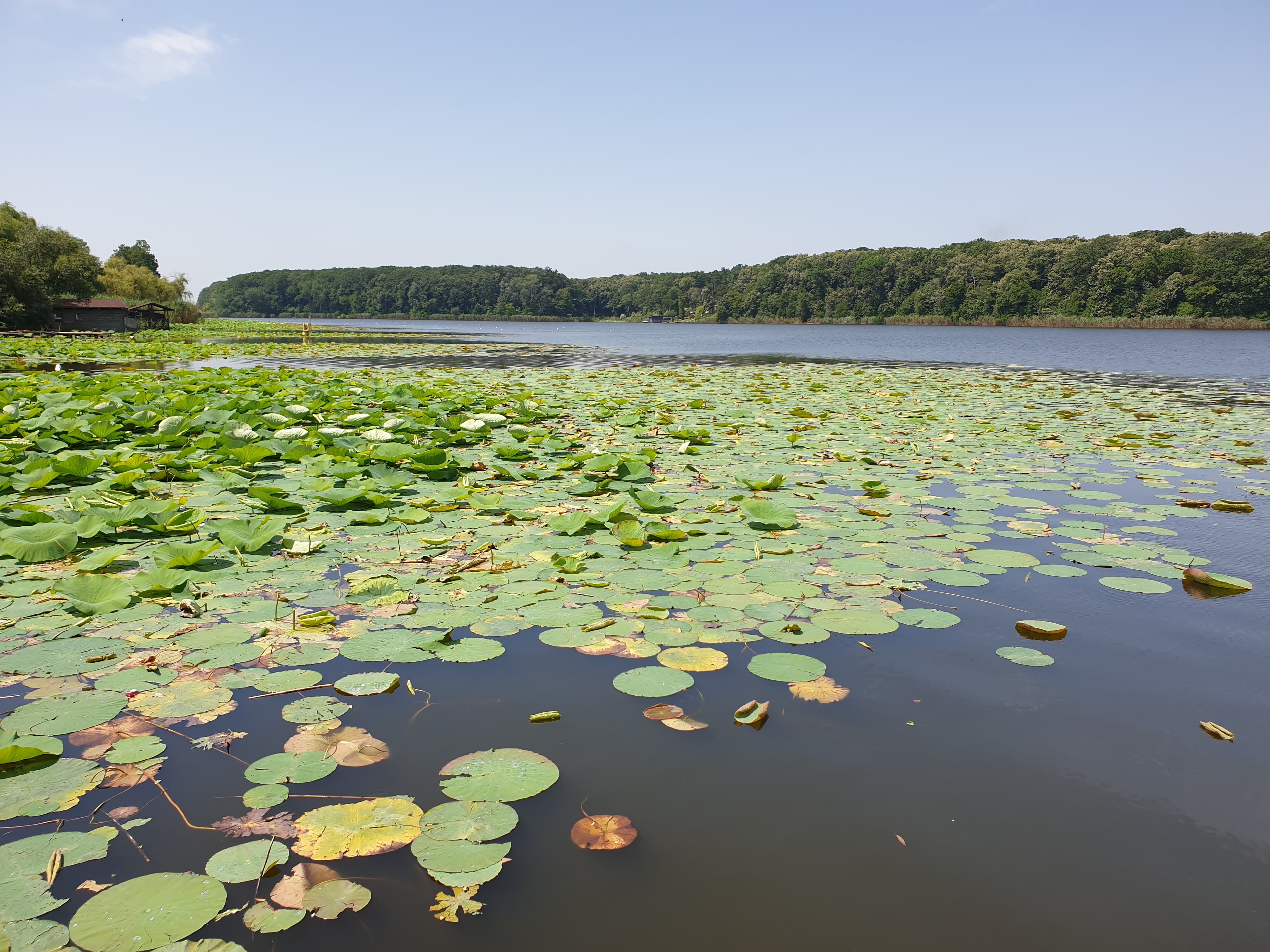
The lake nearby the Station, July 2021
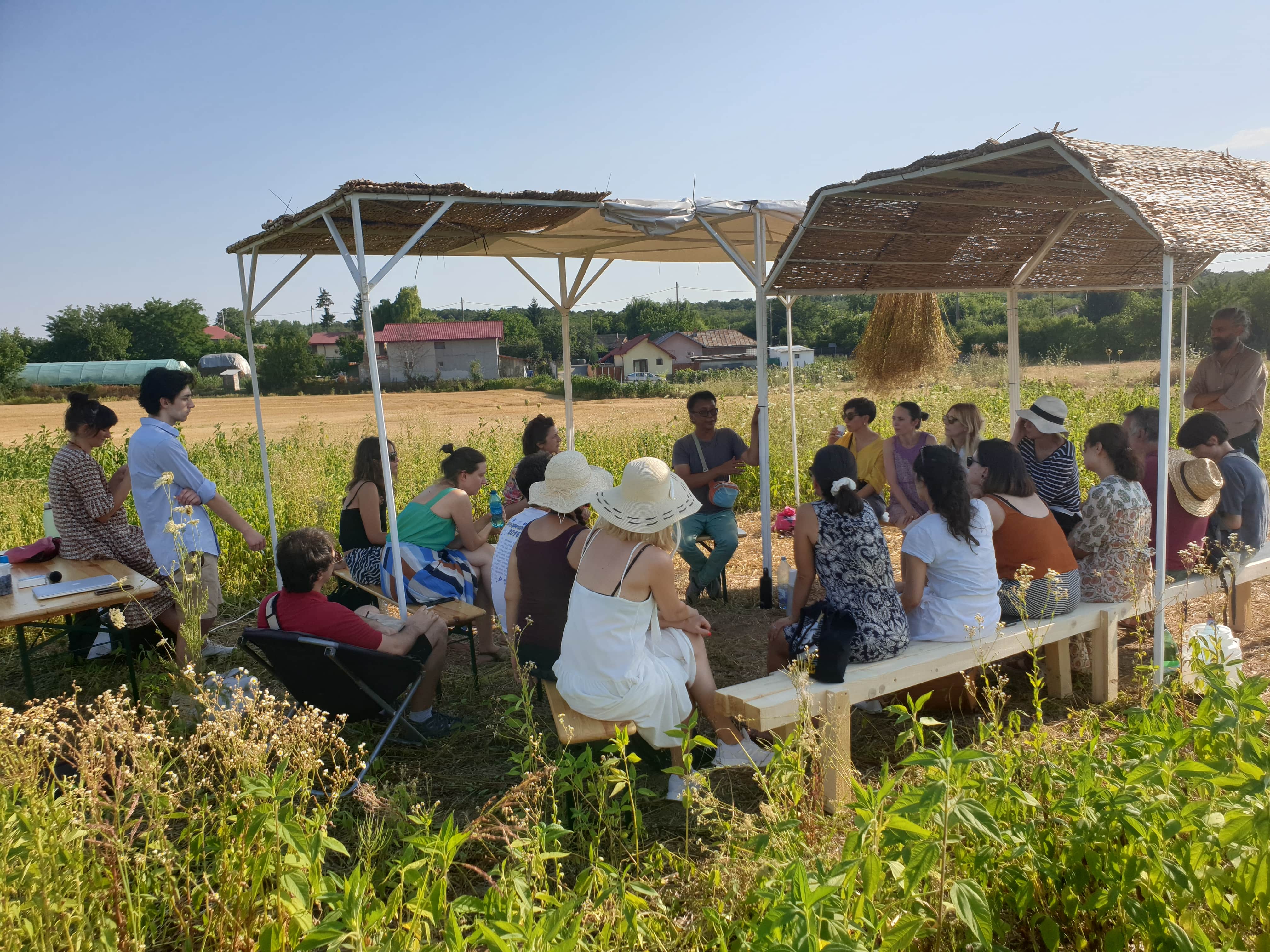
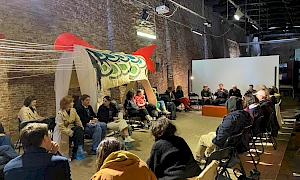
The New Rural Agenda Discussion with Jatiwangi art Factory, 23 July 2022, 40°C
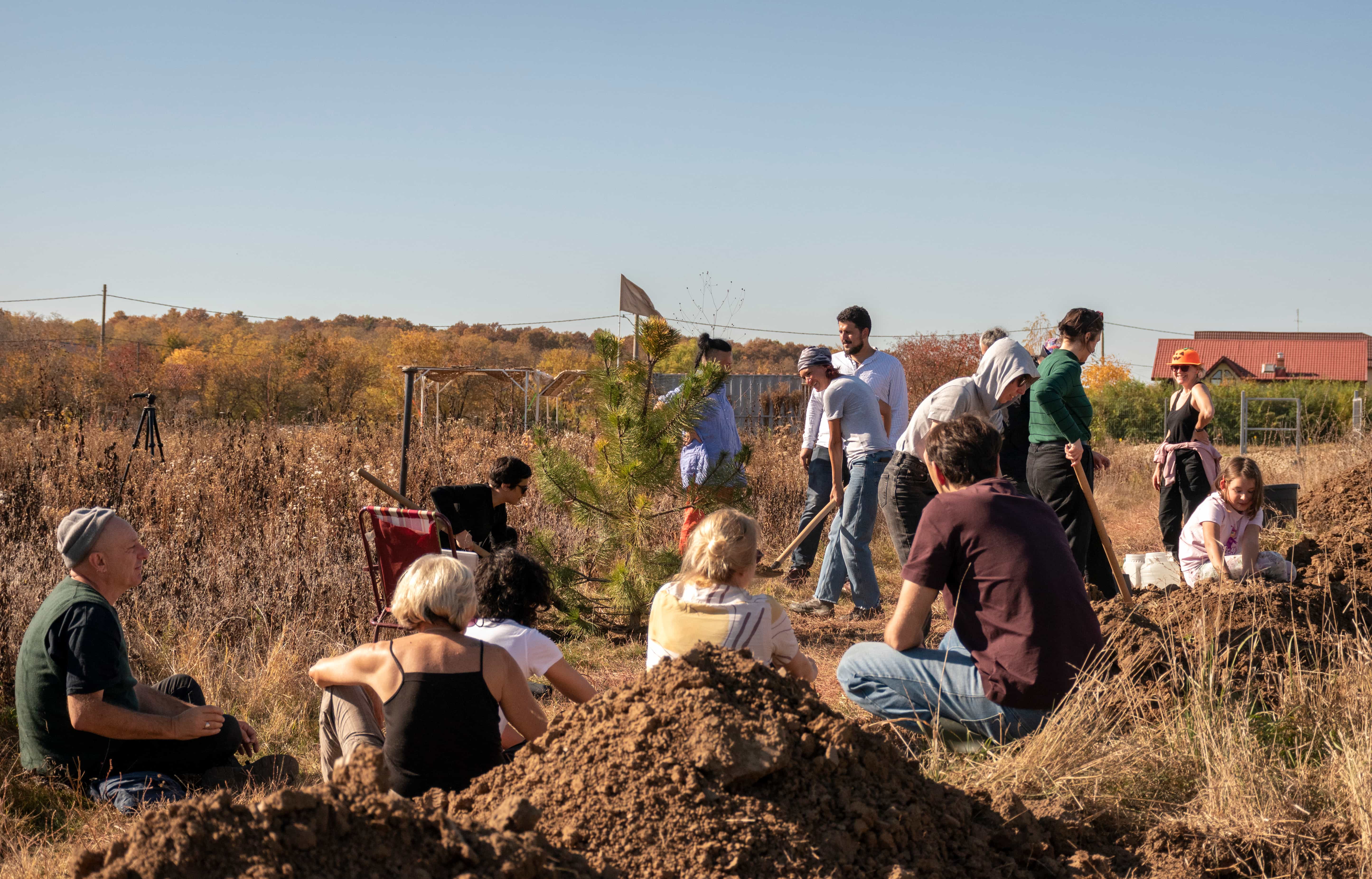
First collective session of Cosmos Garden planting, 29 October 2022, 23°C. Photo: Catrinel Toncu
When my new owners arrived and started making measurements, I was deeply worried. So were the eglantine bushes, the wild rabbits and the pheasants, the little field mice and the groundhogs, everyone who until then had been able to coexist with the big machines and the cereal crops, with the unshaded heat and the pesticides, but would have had a much harder time with urban people used to comfort, two-storeyed villas, concrete pools and loud music at their parties.
Artists they said they were, these newcomers. Were they the kind of artists who need white plaster walls and grey shiny floors for showing their canvases painted with acrylic paint, or rubber black rooms for showing their videos? And who need outside gas heaters in winter, and air-conditioned rooms in summer for keeping the visitors comfortable?
I had a hard time guessing their profiles. After they bought me, they paid me rare visits; each time they came in different configurations, scrutinized me with a mix of puzzlement and helplessness, took selfies with me, but they were not yet able to get into a proper conversation. When my old acquaintances, the machines, stopped their annual marches at my edges, I knew this was the time that another work was to be enforced upon myself. From my sisters down the road, I knew the order: first they would take samples of my different layers, to read my capacity for holding their buildings, not understanding how much more there was to read in those geological layers, how many sediments of rock, sand, wind, tears, blood and history. At least I did not threaten them with earthquakes, like my relatives in the depth of the city nearby were latently reminding the inhabitants about their transient little lives.
The second step was for my owners to dig for water. This was painful only once, but after I was grateful, as they were using that water to ease my burnt-down surface during the drought, and to allow for plants to grow, which in their turn were to prevent further cracks. Then I expected they would start the excavations for their concrete buildings, but instead, small holes started to appear on my edges and a rain of little trees started to pour their roots down my body, the kind of roots that tickle first, until they find the firmness to encourage me, to give me purpose. I knew well some of these roots, like the hawthorn or the willow, as they were part of the old forest whose memory still lingers in my stomach. Others were completely unfamiliar – the pomegranate, the fig tree, the kiwi – yet they seemed to be doing fine with my unusually heated surface during the summer, so I became interested in their roots as well. I was starting to wonder if my owners were in fact caretakers, if they were seeking to communicate with me rather than to extract all my strength.
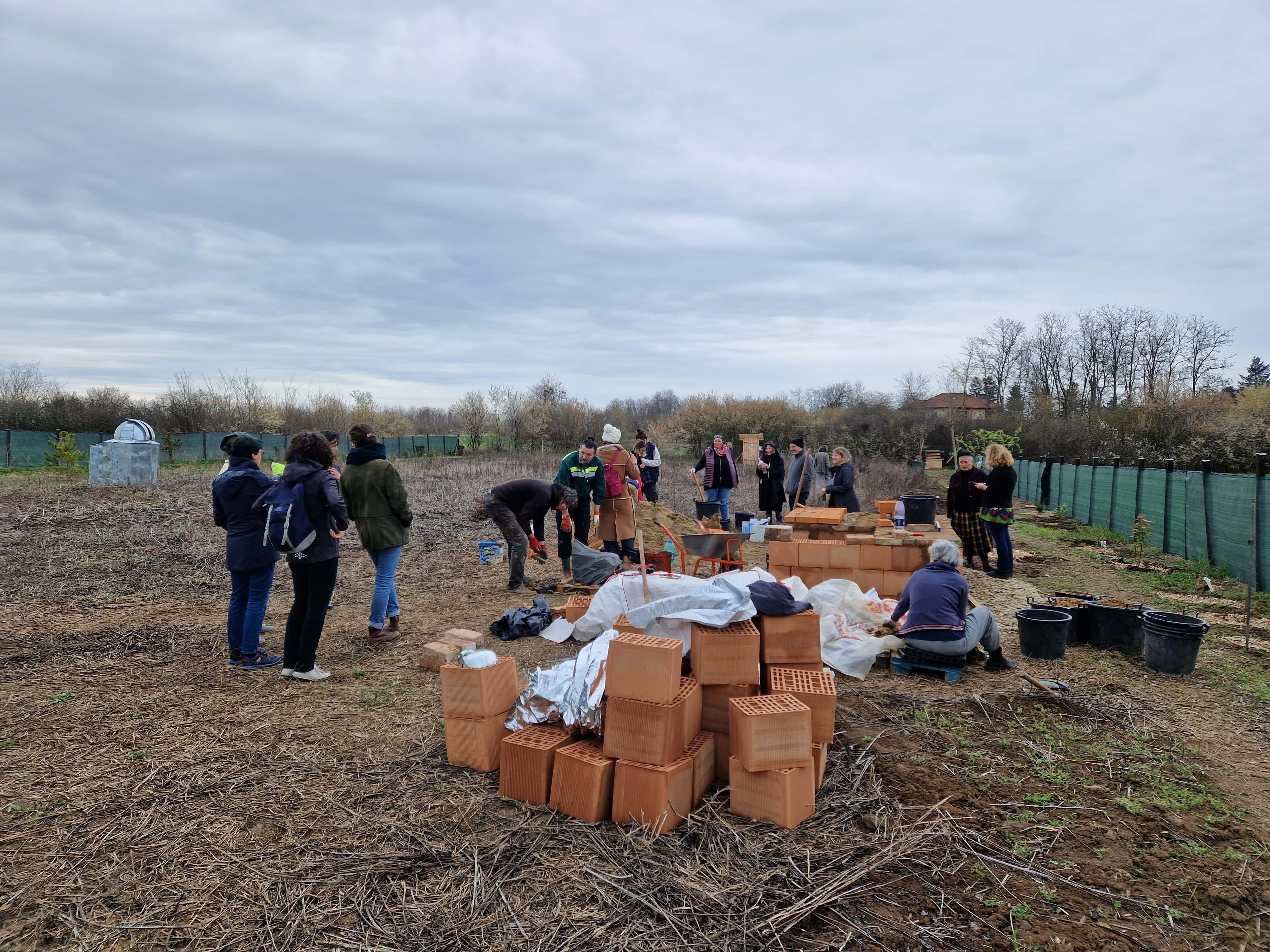
Building of Demeter bread oven, workshop with V. Leac, 1 April 2023
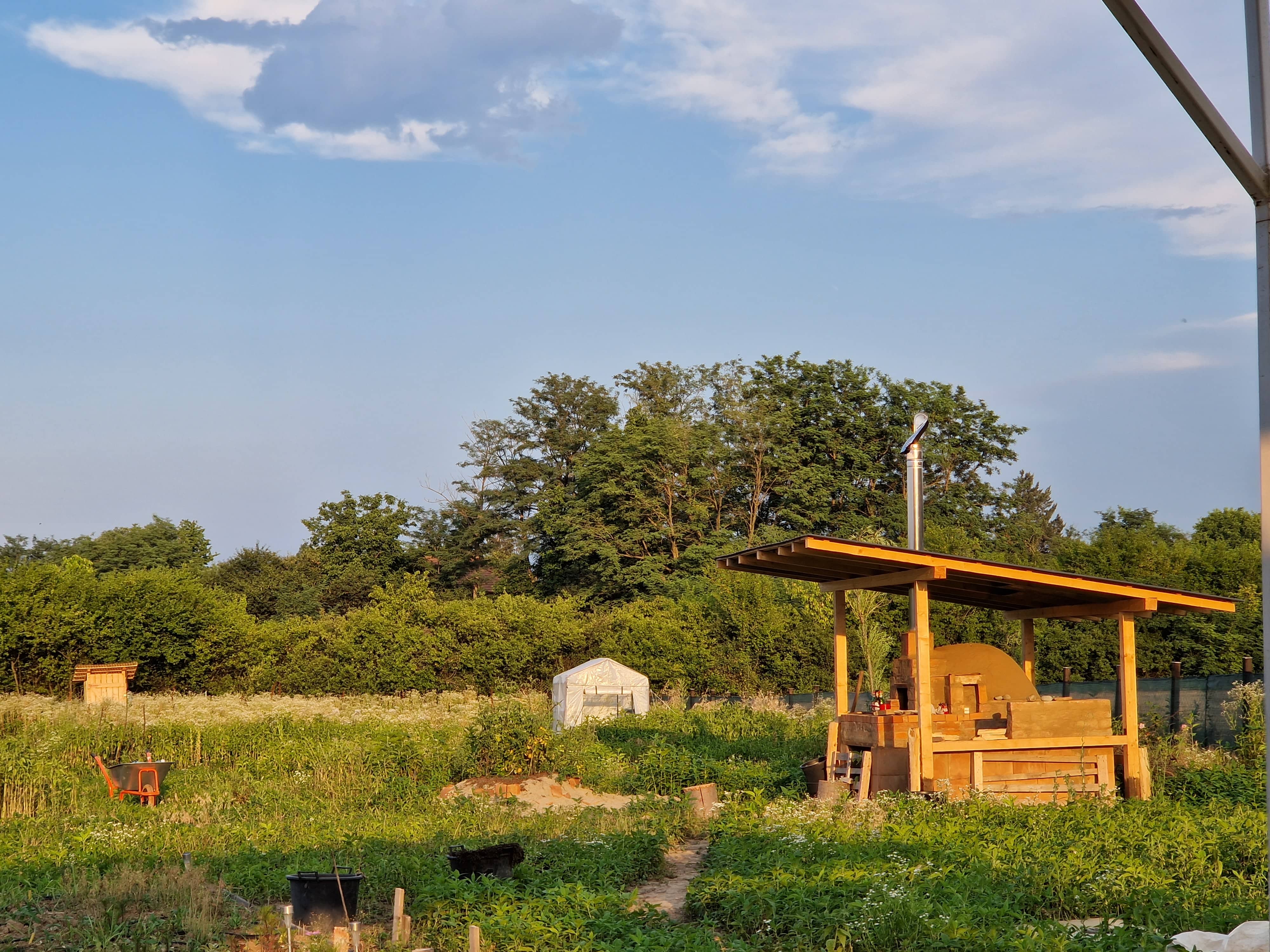
View of Demeter bread oven, July 2023
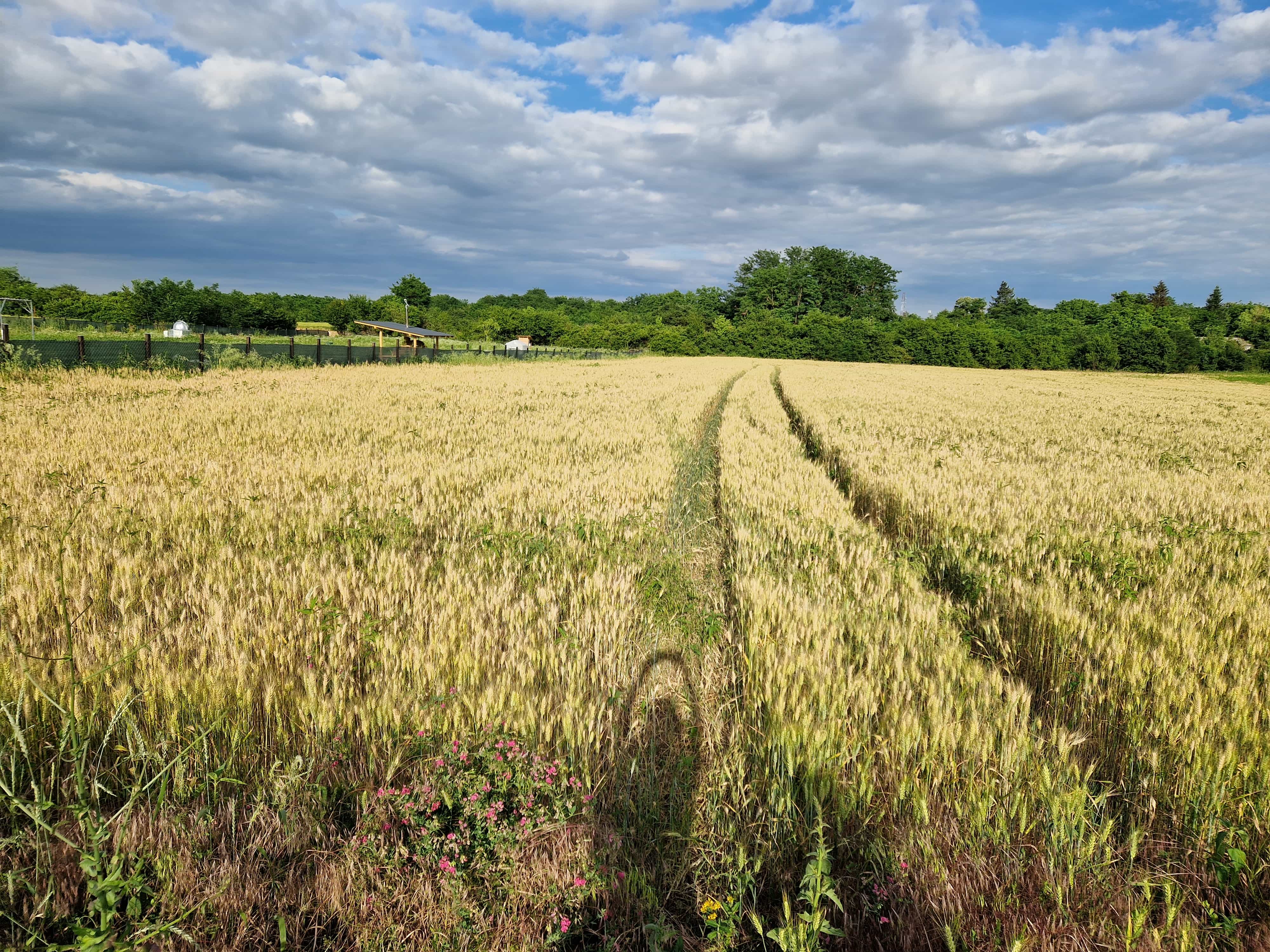
Wheat field next to the Station, June 2023
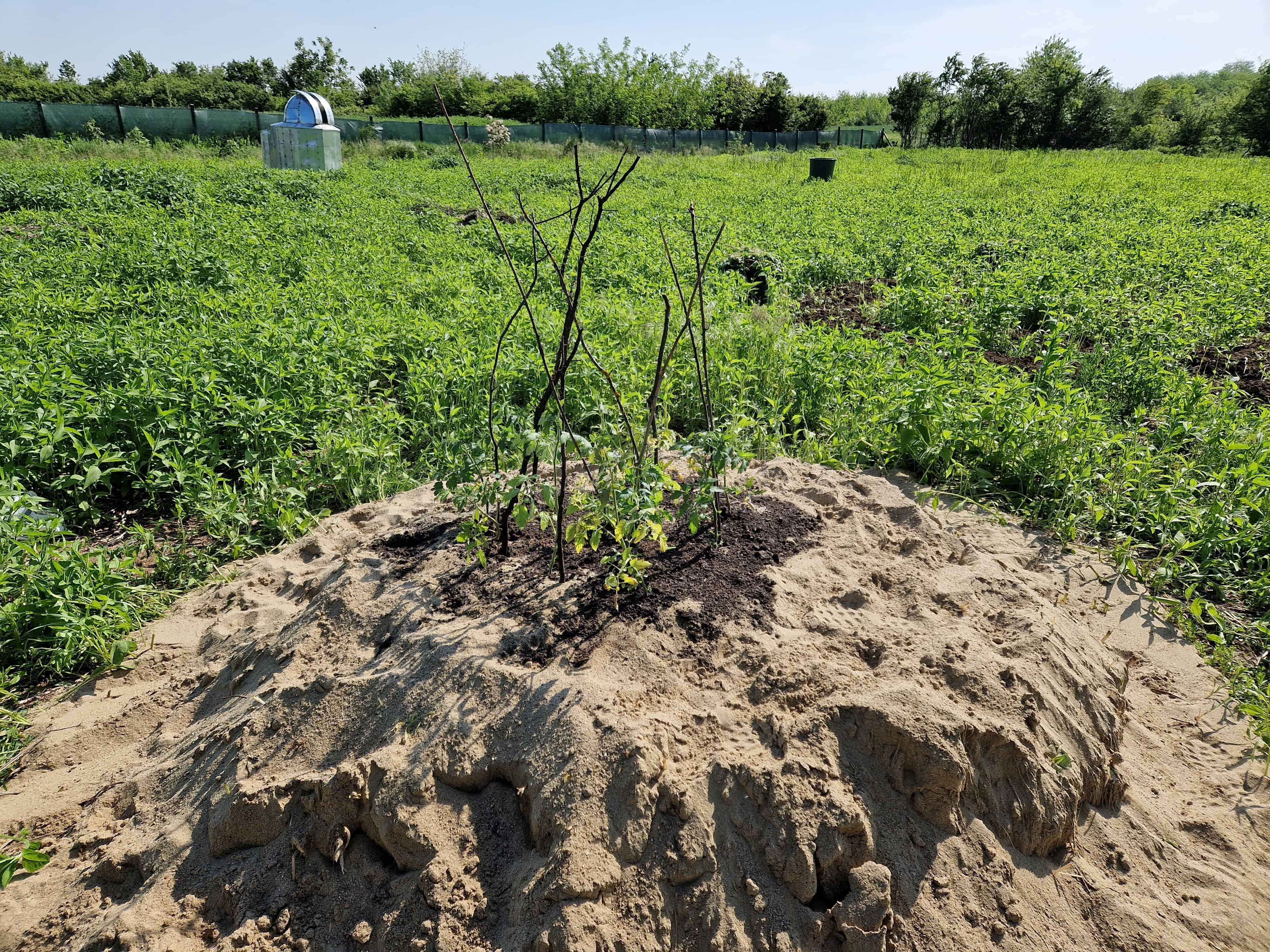
Tomatoes planted on sand, May 2023
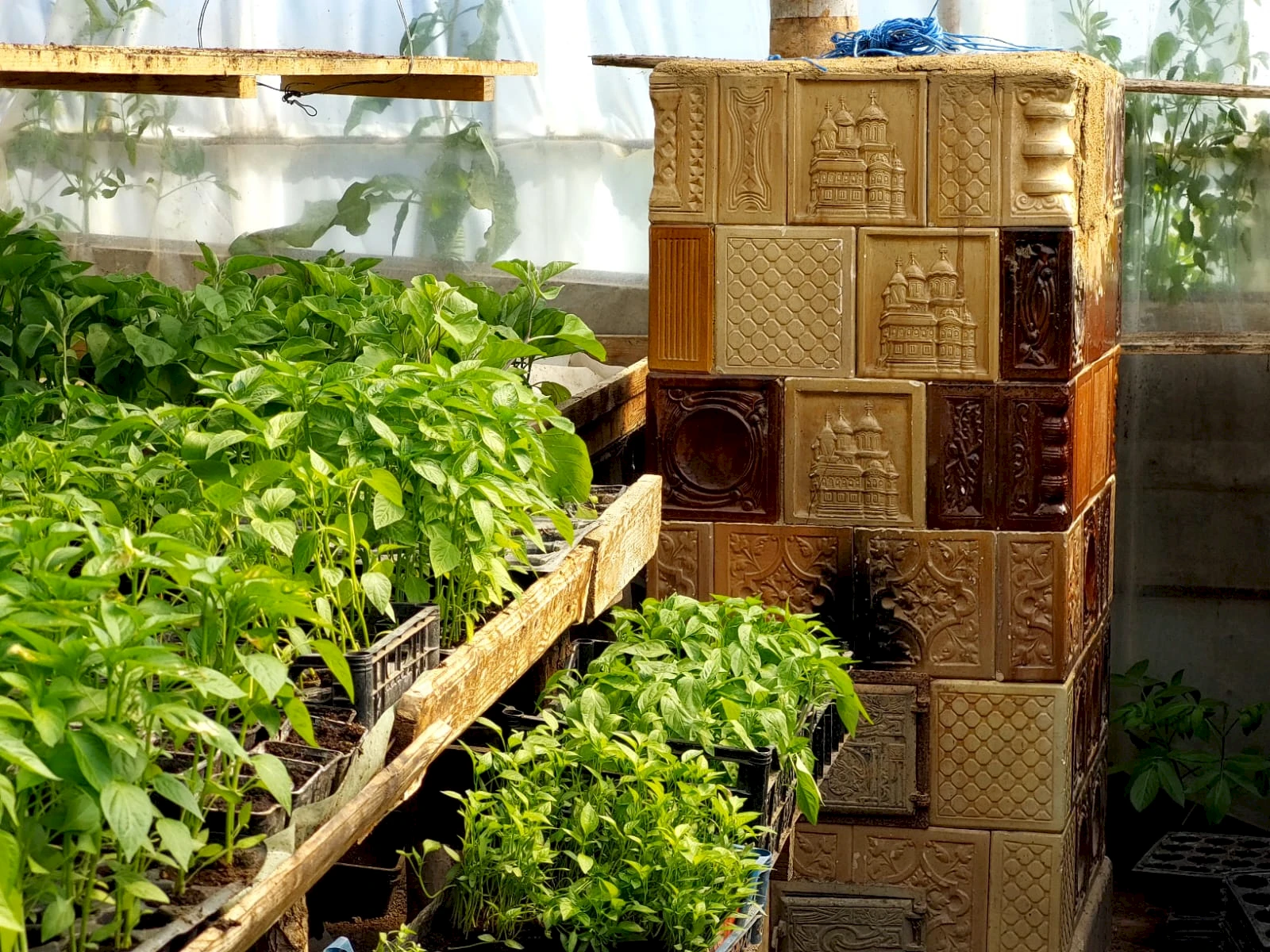
Neighbour’s greenhouse with terracotta stove, May 2023. Mapping and photo: Iuliana Dumitru
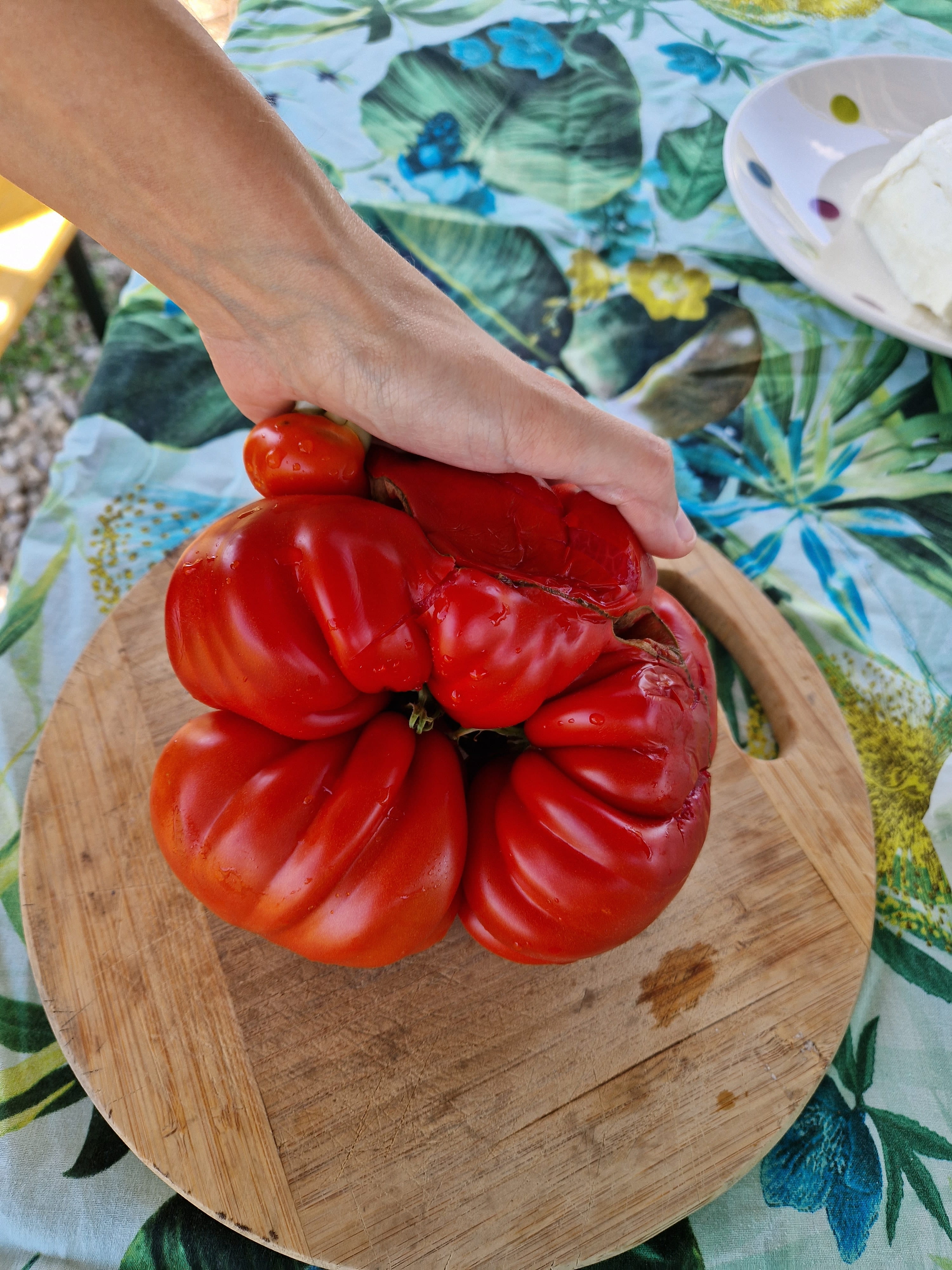
Tomato from the neighbour, July 2023
The winds were becoming more powerful, sometimes resembling tornadoes, and it was they who brought me the news that around 300 km away the lands were bombarded, crossed by tanks, spilled upon with toxic fires, experimental deadly chemicals, and blood, a blood poisoned by despair and senselessness. Were my caretakers as worried as I was? Were they thinking to abandon me? Was I not giving them enough reason for hope, in my patience, my steadiness, my responsiveness to their actions of care, even my warnings about the invasive species such as the topinambur? Could we together, in some way, counter the news of war, the menace of war coming closer, the trauma of war refugees, the sadness of species disappeared under the brutal attack on ecosystems that every war is?!
They called me the Station. They imagined me covered with lush vegetation, when I could hardly breathe during the scorching summers. They thought, and knew it wasn’t possible, that I could be alive on my own, while my neighbouring plots continued to be shredded by machinic caterpillars. As if the enclosures had not cut through our nervures, slicing us like a piece of cake, ready to be consumed by people alone, ignoring all the other critters which were giving us life. My owners were, in their turn, sometimes caretakers, other times just consumers, it was hard for them to think more about life than about art, even when their art was not as disturbing as I expected in the beginning.
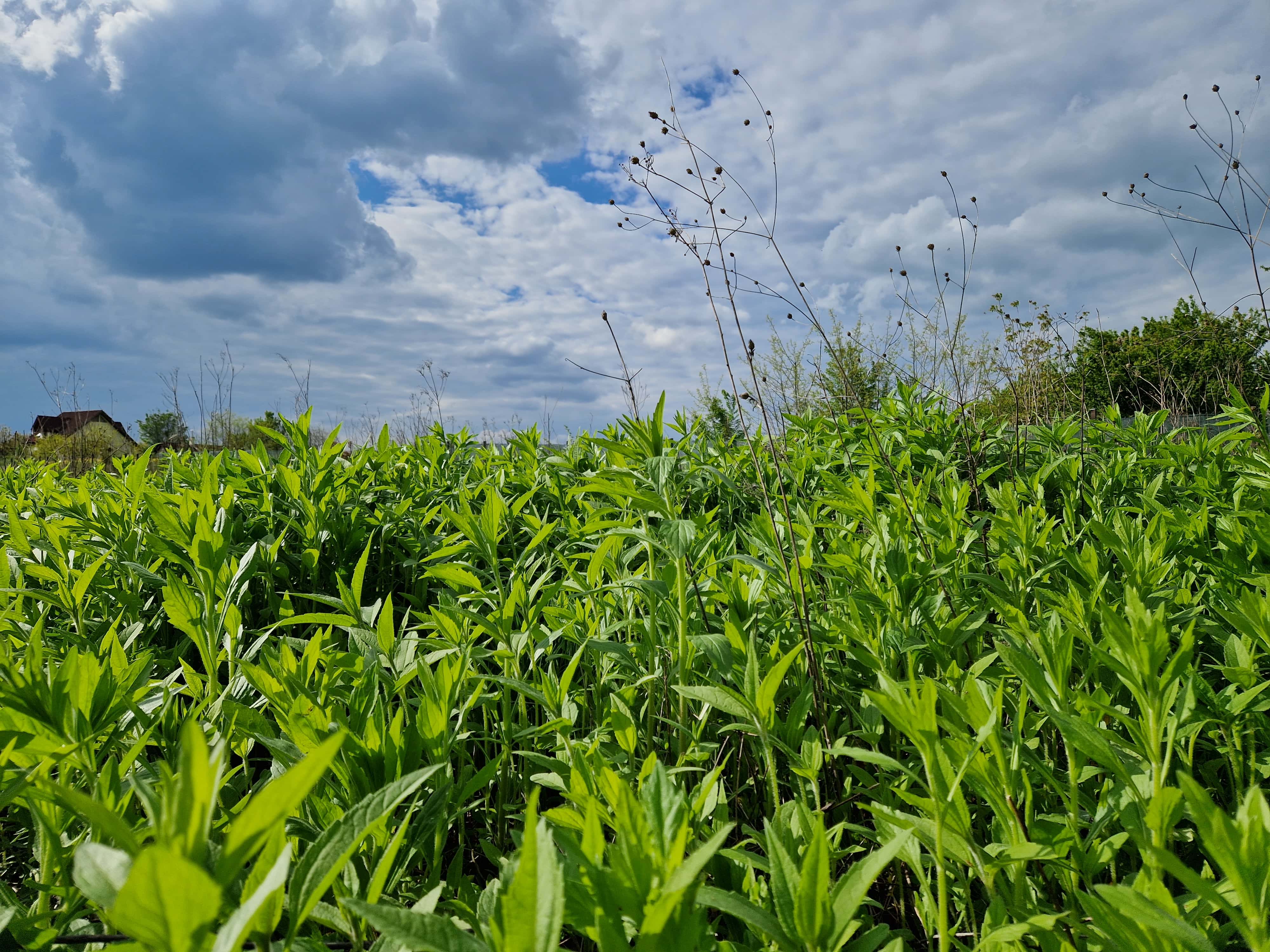
Cosmos Garden, Jerusalem artichoke invasion, May 2023
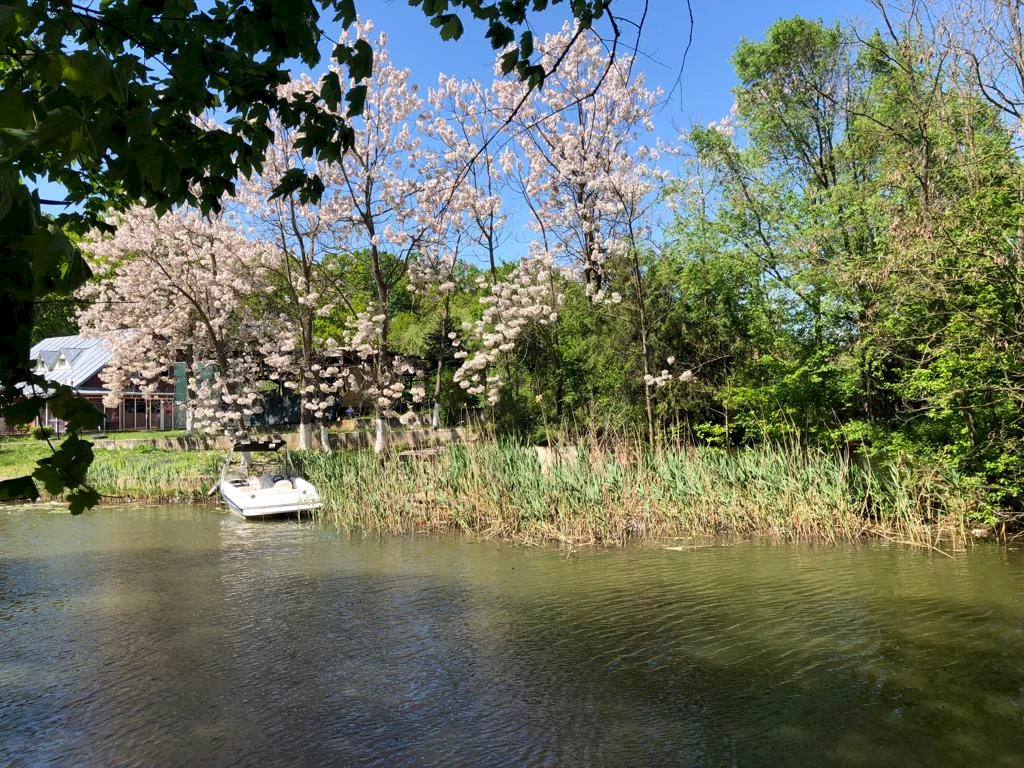
Lake nearby the Station, May 2023. Photo: Adelina Luft
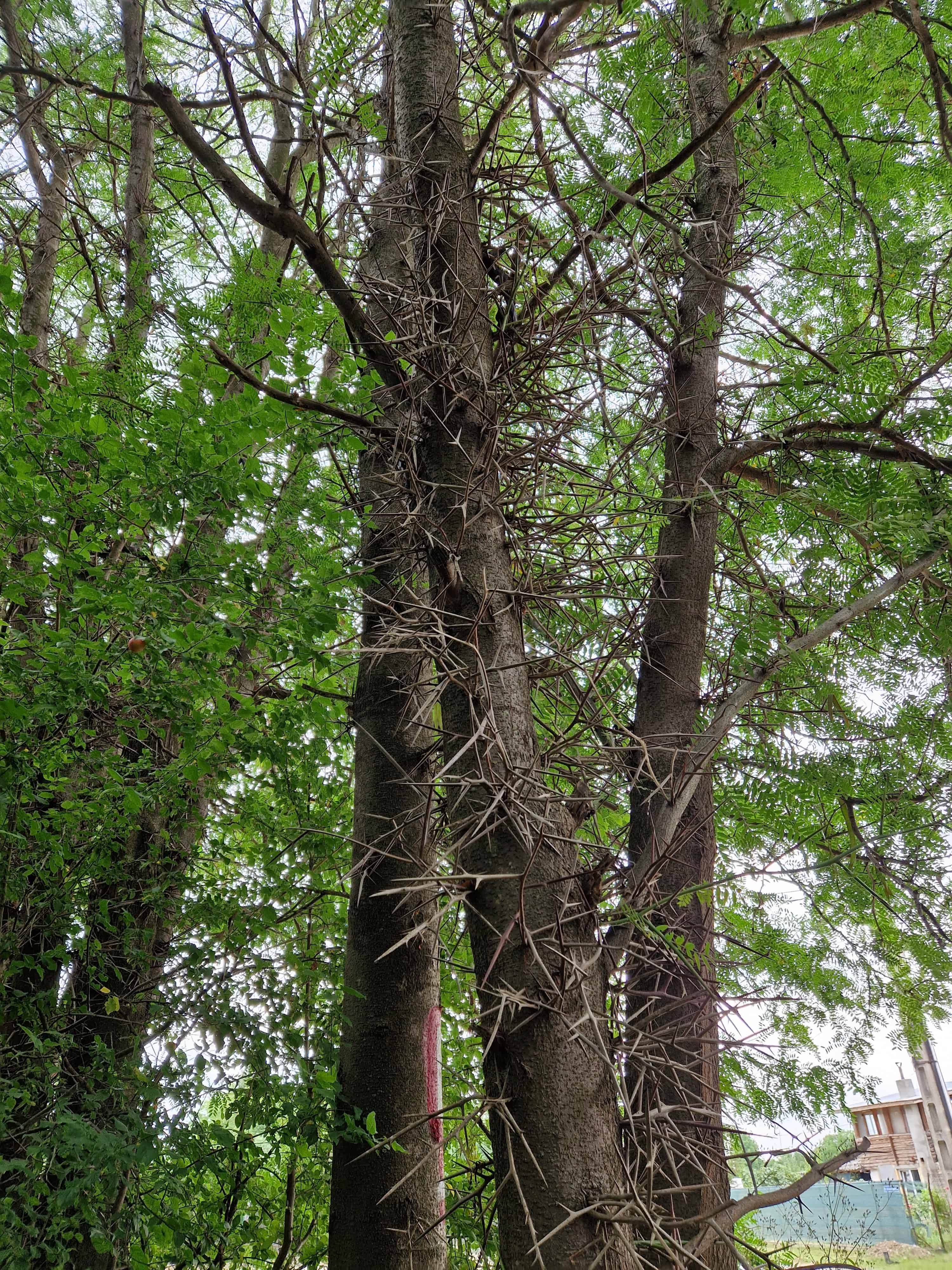
Forest nearby the Station, July 2023
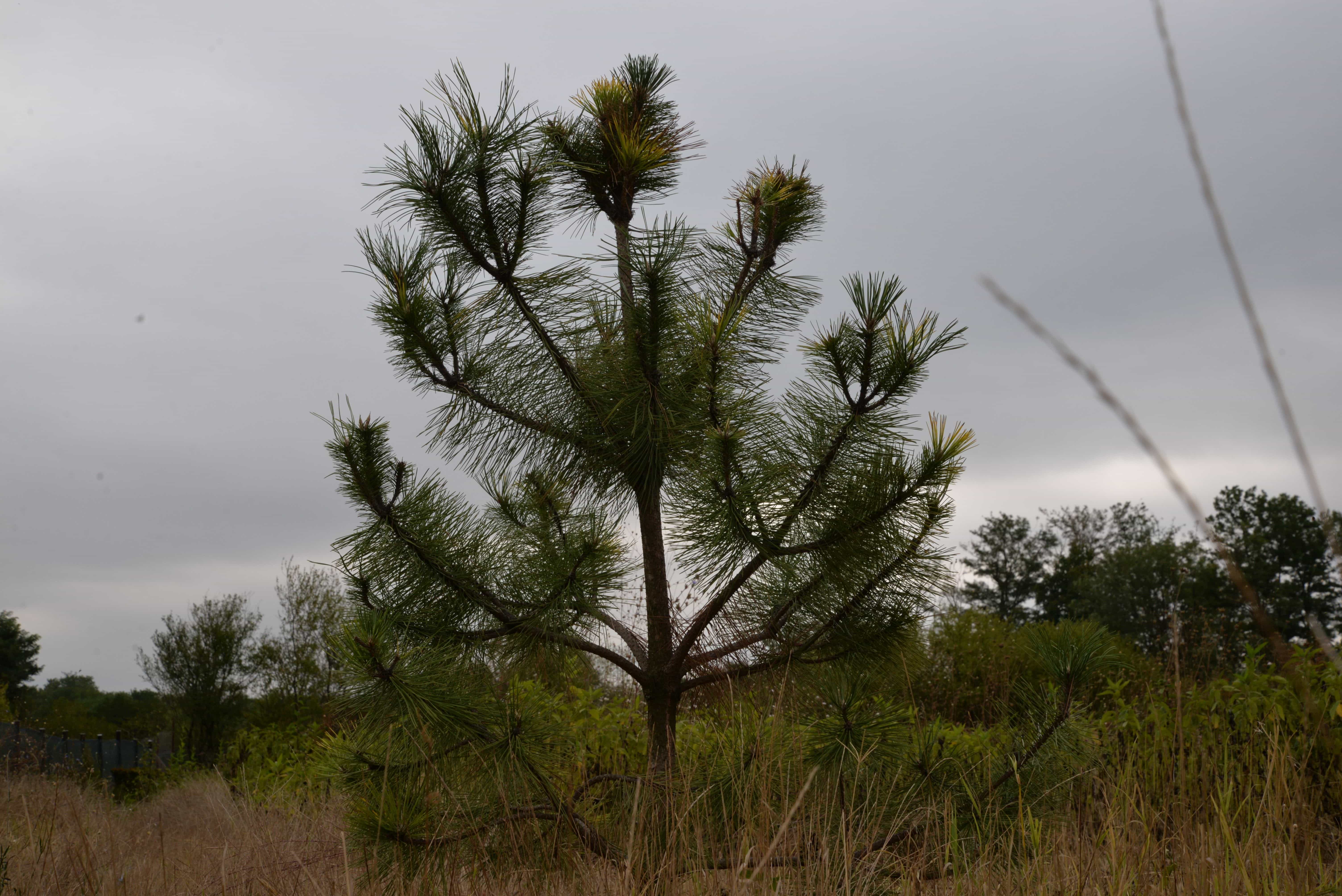
Pinus Nigra, the embassy of Jatiwangi art Factory in the Cosmos Garden, September 2023. Photo: Edi Constantin
We were still accommodating to each other. I wasn’t hospitable enough, they weren’t insistent enough. I wasn’t growing their plants fast enough, they were not yet calling me home; we were still strangers. Cultivating the land is not enough to make it your friend. Listening to the birds is not enough to have a conversation with the land. Positioning oneself from the perspective of the land is a good start for an embedding into the world, but it is a long journey until that world accepts the alienated human who has to relearn every skill of being in the world, rather than consuming it.
What change of perspective is to be manifested in politics when the ground slips from under one’s feet?
After the terrible management of the pandemic through a disciplinary regime, and of the war in Ukraine through the phantasmagoria of erasing Russia, the political affect that dominates Europe is distrust. The European elites, both from the political class and from the corporate culture industry, have shown themselves incapable of admitting mistakes and changing perspective in the slightest. The European political sphere has become more of an oblivious monoculture, with the forces of the extreme right about the only ones that are still making politics, while the world is moving on, on its own terms and rhythms. The current European elites have shown themselves incapable of learning from crises, defeats and diminishment. Incapable of thinking politically without fantasizing about supremacy and expansion. Incapable of thinking politically outside the inter-imperial rivalry. Incapable of taking the ecological crisis seriously, without turning it into another round of neoliberal privatization. Throwing more money into the same holes, more force in the same direction, more PR to dress the image.
A systemic change of perspective is needed.
Yet the anti-systemic movements have also already gone through a terrible series of defeats without acknowledging them. The defeat of the anti-war, anti-capitalist and alter-globalist social movements of the 1990s and 2000s may have been caused by the comparatively much greater forces of imperial war, capitalism and colonial liberalism, but that does not preclude an internal weakness. The mobilization was great, but the cultivation was rushed. The seeds have not taken root. It remains a historical defeat, which produces its own consequences. Here and there, only islands of autonomy remain, faithful to their ecosystems, floating precariously on waters patrolled by destroyers and cruise ships. The latter seem senseless and huge in comparison to the opposing small and meaningful, but for the sea they are still puny. The ground has long slipped from under our feet. It’s at the bottom of everything, but it’s getting harder to reach, even to relate to it. We are taken by the flood, without even being aware of it.
A systemic change of perspective is needed, and the change would have to answer to the call of the Earth, one way or another.
First cultivate, then mobilize.
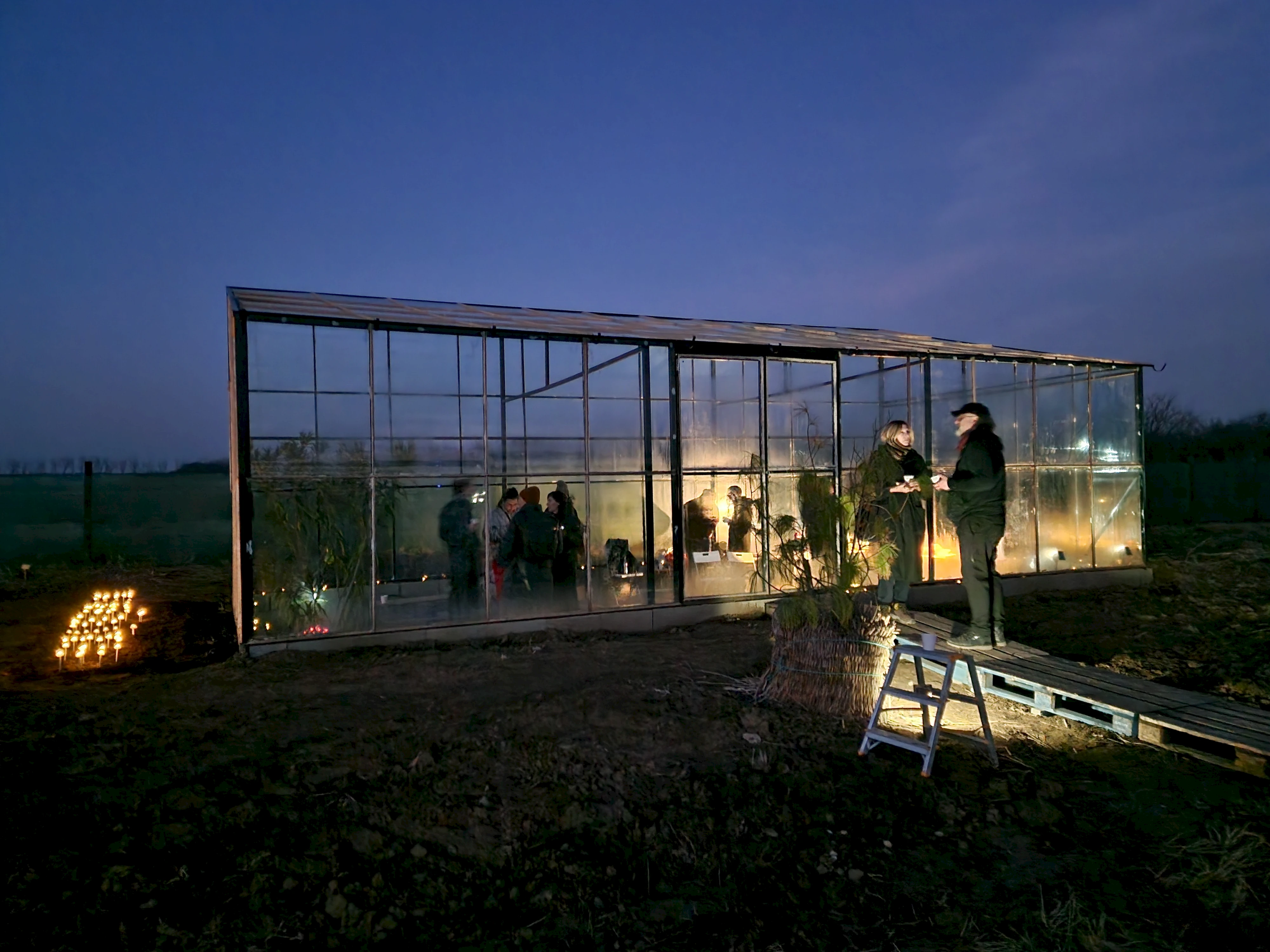
Opening of ‘The Blue Dream’, artistic intervention of Nicoleta Moise within the framework of the recurring project ‘The Last Archive’, 21 December 2023
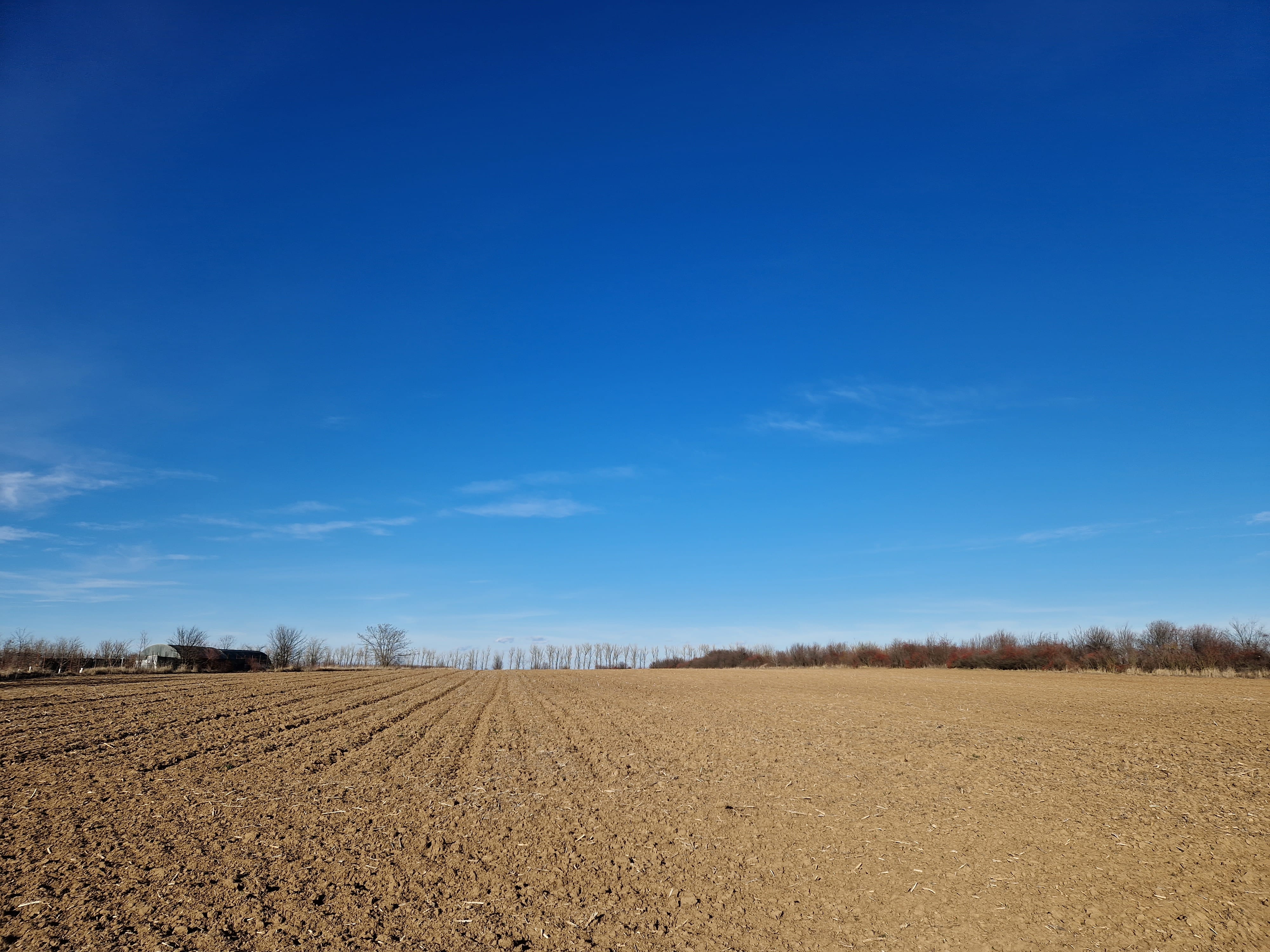
View of the field near the Station, January 2024
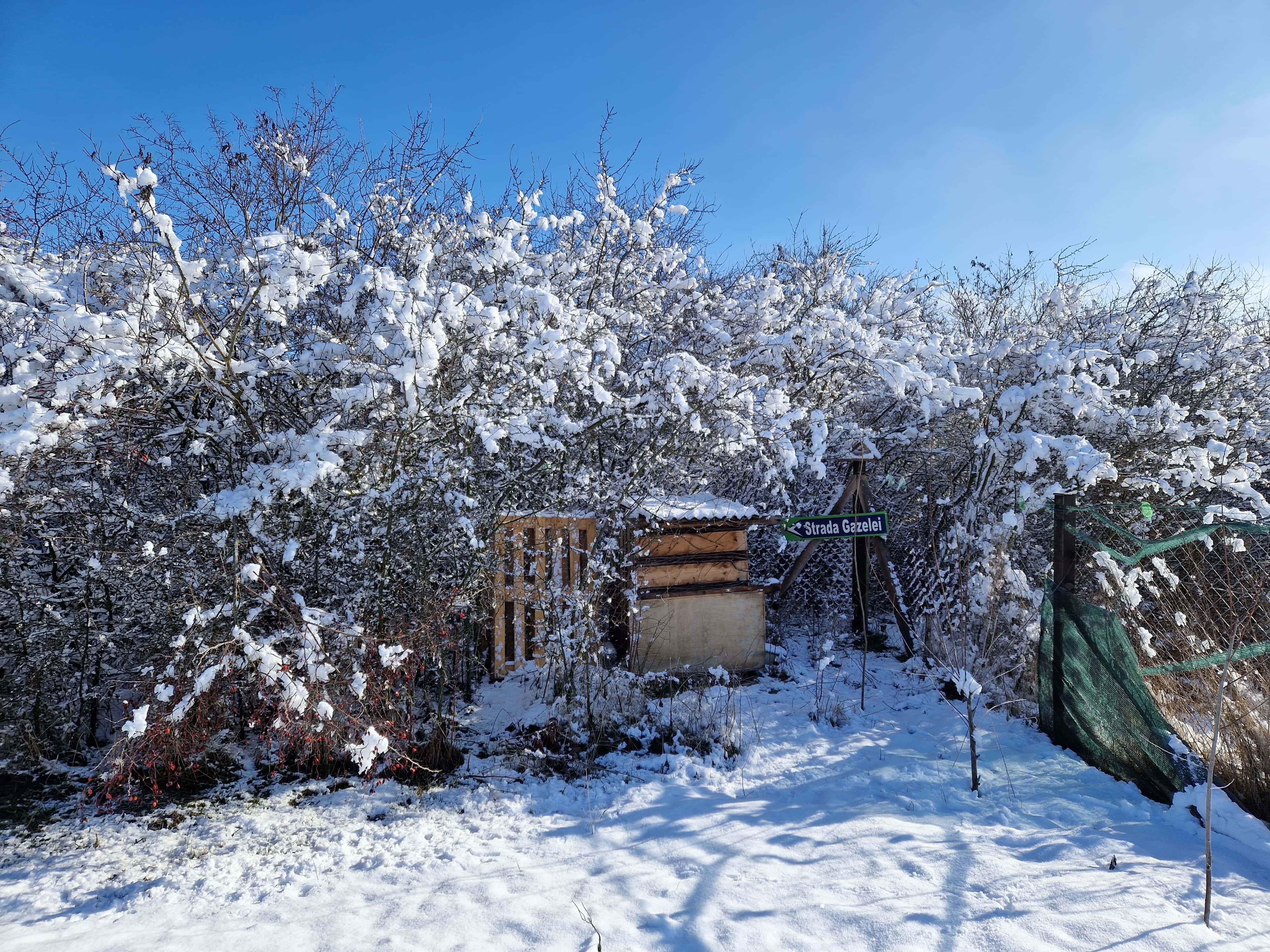
View of the Station with rare snow, 21 January 2024, -1°C
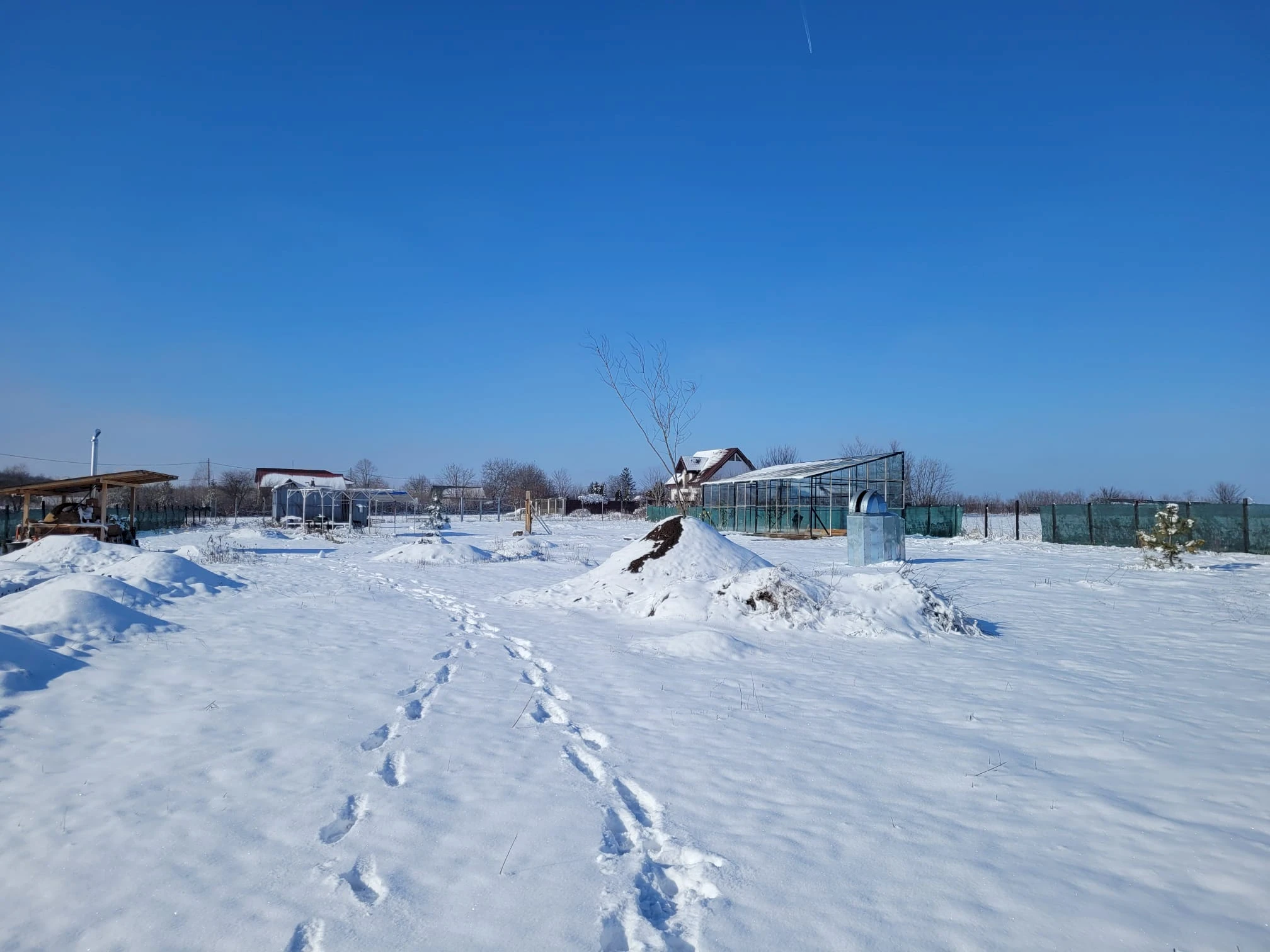
View of the Station with rare snow, 21 January 2024, -1°C
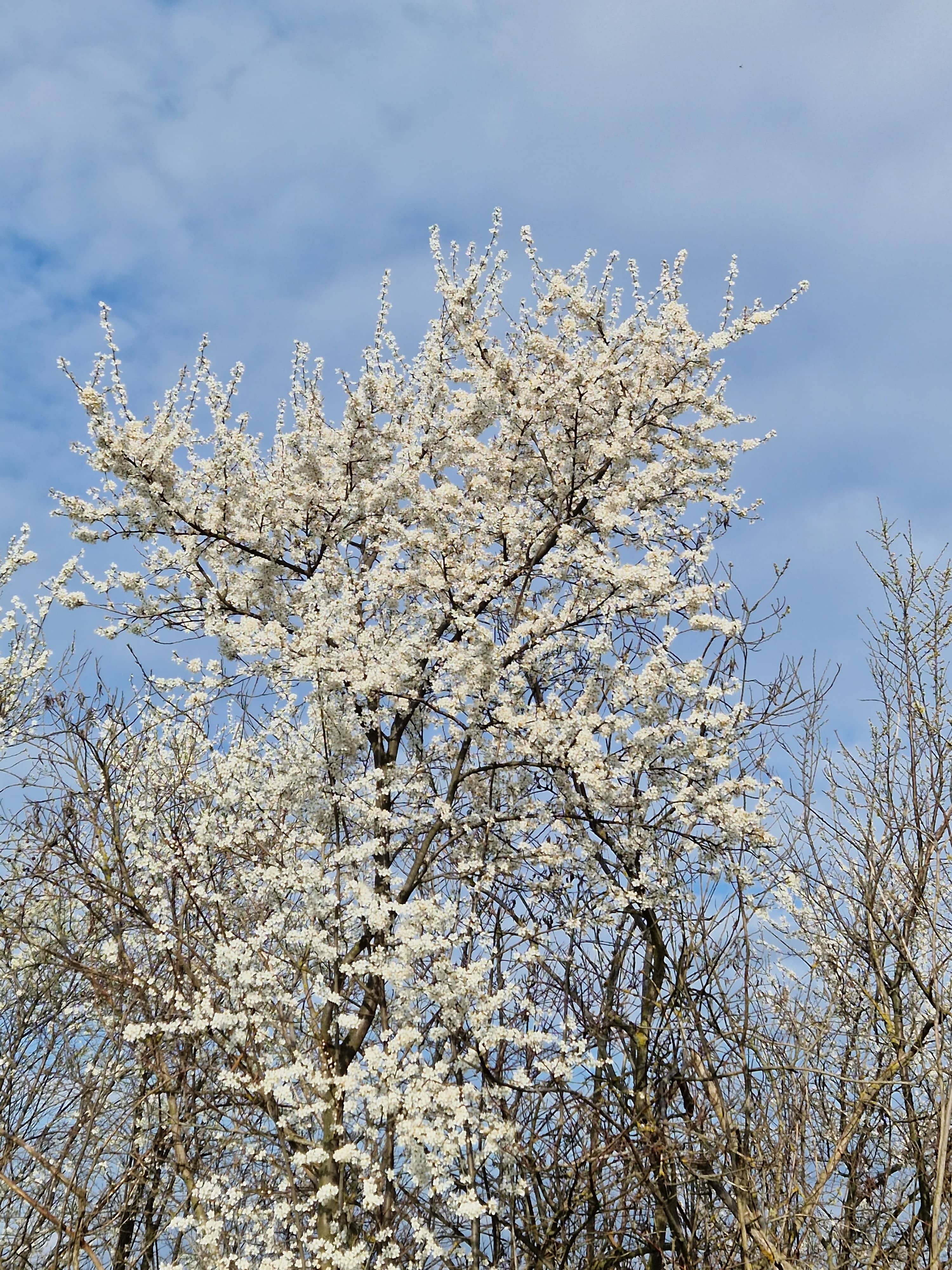
Cosmos Garden, March 2024
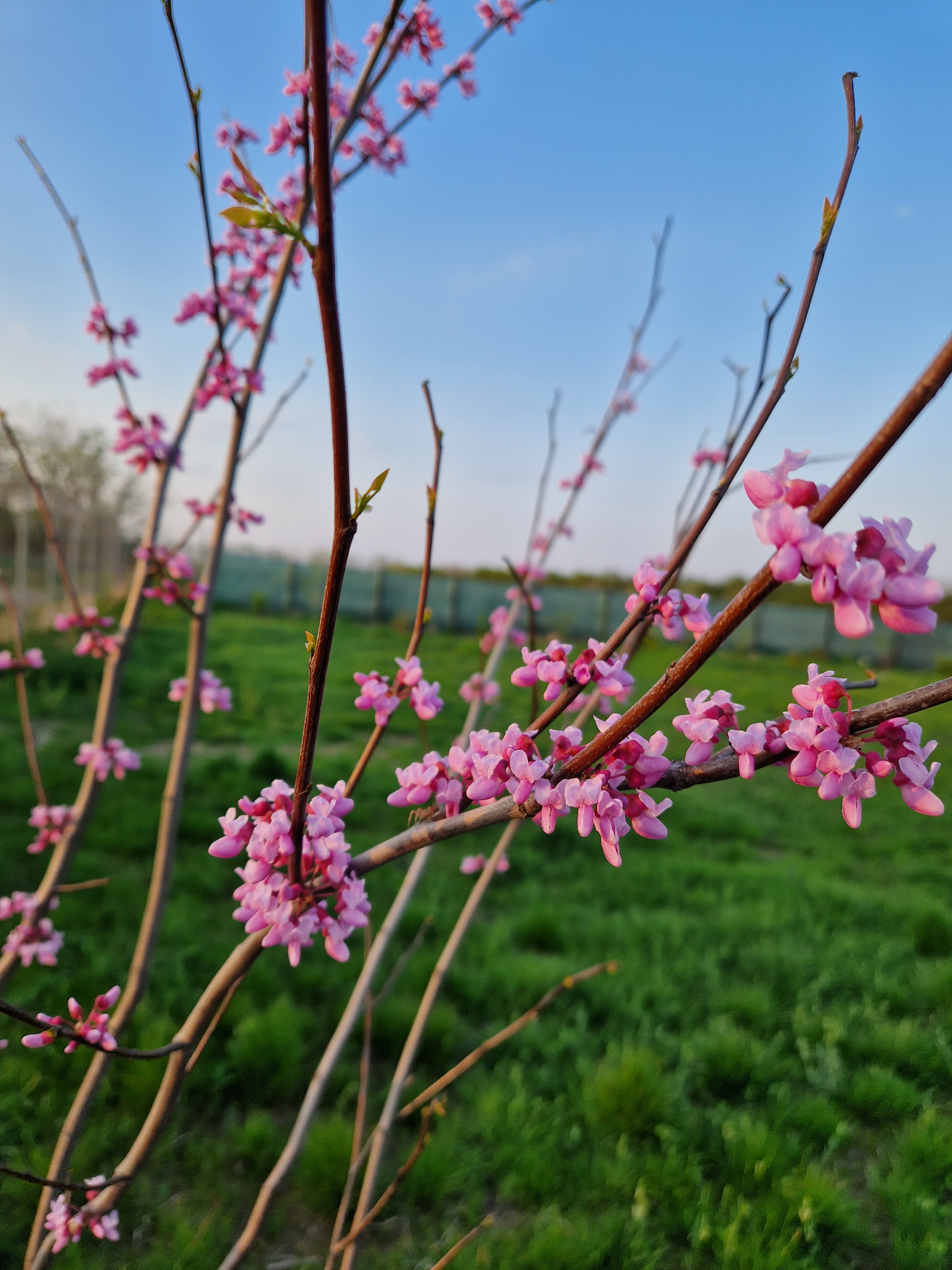
Cosmos Garden, April 2024
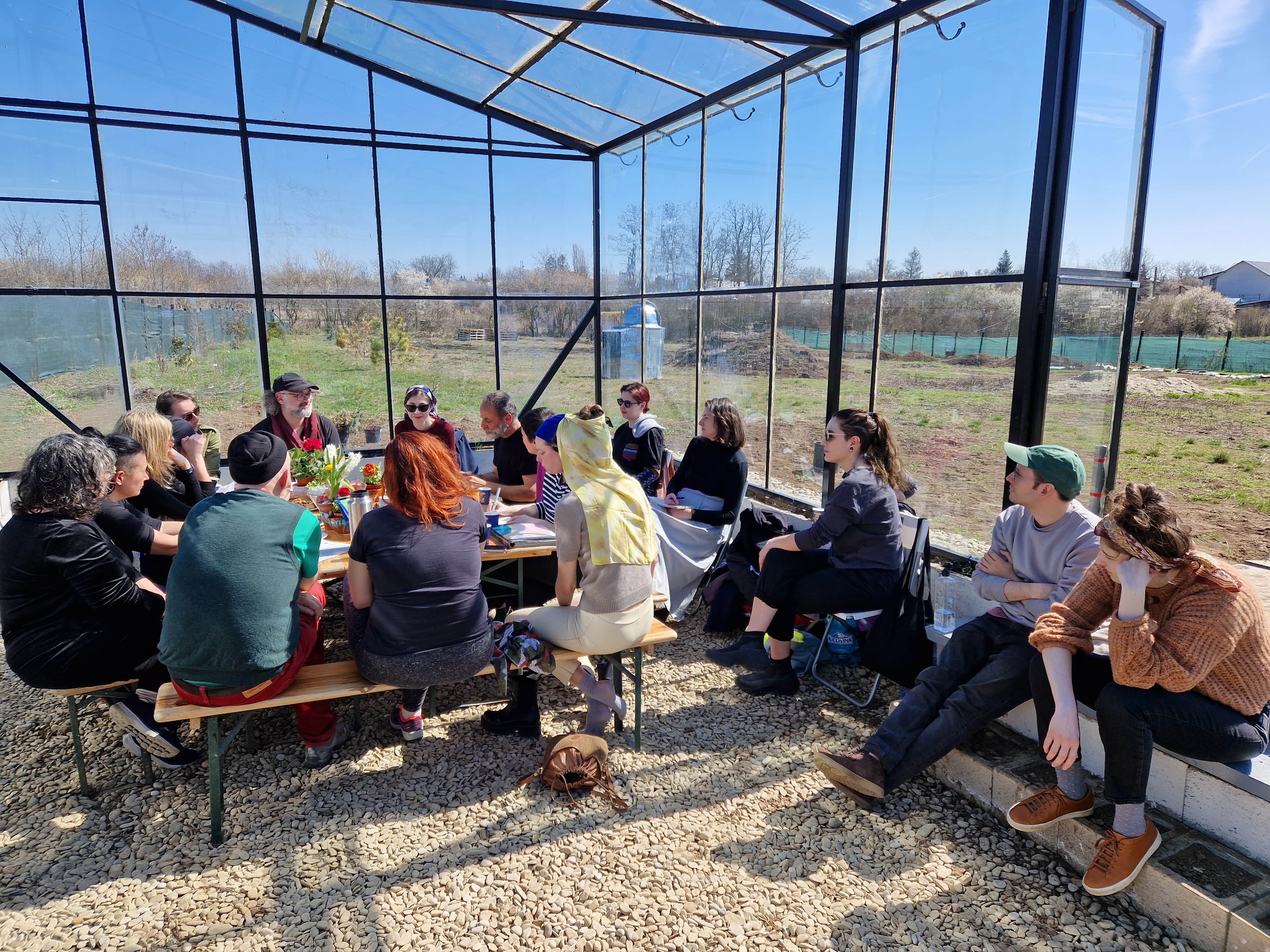
‘Non-Western Technologies for the Good Life’ – a course led by Ovidiu Ţichindeleanu within the framework of ‘Museum of the Commons’. Session with Hiwa K., 23 March 2024, 20°C
For the seeds to take root, one needs to imagine. Sometimes they don’t even need the soil; water and sun is enough, if the waters are not boiling and the sun is not toxic. If the waters are not filled with drowned brown bodies. If one has the imagination to see the power in the sprouting of a seedling. To cultivate is to mobilize the power of the imagination. Arts institutions were the ones entrusted with this mission. They have long forgotten it, focused as they are on maintaining structures and ways of life that are crushing the Earth, that are raising the waters. In other worlds of this world, art is but one way of relating to the ecosystems among others. It is still a means of understanding, of relating, of seeing and dreaming together with other beings.
The ‘empty field’ of the Station allows us to relearn how to relate and to keep on asking the big questions: What does it mean, ‘ecological’? What does it mean, an ‘institution’? How can one build an ecological institution? How do we relate to the land? To the nonhumans? To our affinities and aversions? What coalitions and embassies are needed? What would be your ideal place of work? What are the tools for dismantling the status quo, for stopping the war on life, and for building a good life?
An empty field is never really empty; it has so many sediments of history, relations, nurturing of species; it is a refuge from the uncertainties around and a warning about a dry, hollowed future if we continue to see the Earth only as a resource to be consumed. Building an ecological art institution is too ambitious a plan. In the process, we learn to adjust our plans to the unexpected. The Station is a communal effort, built on trust. The Station is a collective endeavour towards a rethinking of the role of art in a society that needs to relearn how to treasure and to cultivate life.
From the cultivated field of the Station, whose depth and potential reveals itself in its own time, to the urgency of the political present, which pushes down immediately the pressure of its multiple crises, we are looking for a coalition able to imagine multiple worlds, to live in multiple temporalities, and to sustain both.
Related activities
-
–tranzit.ro
Non-Western Technologies for the Good Life
The experimental course ‘Non-Western Technologies for the Good Life’ (November 2023–May 2024) celebrates as its starting point the anniversary of 50 years since the publication of Tools for Conviviality, considering that Ivan Illich’s call is as relevant as ever.
-
HDK-Valand
Climate Forum I
The Climate Forum is a space of dialogue and exchange with respect to the concrete operational practices being implemented within the art field in response to climate change and ecological degradation. This is the first in a series of meetings hosted by HDK-Valand within L'Internationale's Museum of the Commons programme.
-
–Van Abbemuseum
The Soils Project
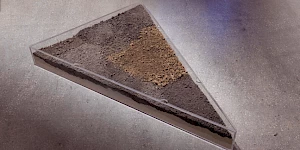
‘The Soils Project’ is part of an eponymous, long-term research initiative involving TarraWarra Museum of Art (Wurundjeri Country, Australia), the Van Abbemuseum (Eindhoven, Netherlands) and Struggles for Sovereignty, a collective based in Yogyakarta, Indonesia. It works through specific and situated practices that consider soil, as both metaphor and matter.
Seeking and facilitating opportunities to listen to diverse voices and perspectives around notions of caring for land, soil and sovereign territories, the project has been in development since 2018. An international collaboration between three organisations, and several artists, curators, writers and activists, it has manifested in various iterations over several years. The group exhibition ‘Soils’ at the Van Abbemuseum is part of Museum of the Commons. -
–MACBA
The Open Kitchen. The fermented seed, colonialism and extractivism
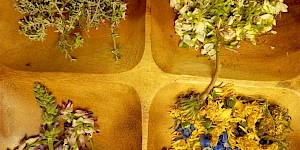
The MACBA Kitchen is a working group situated against the backdrop of ecosocial crisis. Participants in the group aim to highlight the importance of intuitively imagining an ecofeminist kitchen, and take a particular interest in the wisdom of individuals, projects and experiences that work with dislocated knowledge in relation to food sovereignty.
-
MACBA
The Kitchen: Workshop by Marina Monsonís
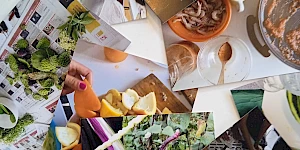
The Kitchen is a meeting place open to the participation of all, especially people and organizations that want to share their knowledge and experiences around the kitchen.
-
–MSN Warsaw
Multicultural Youth Center
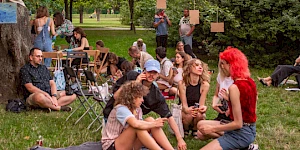
The Museum of Modern Art in Warsaw, together with the confederation of museums L'Internationale, is establishing a Multicultural Youth Center. This is a unique space for 16-24 year olds to explore and develop their creativity, make new friends and hang out in a friendly and supportive environment.
-
–MACBA
Where are the Oases?
PEI OBERT seminar
with Kader Attia, Elvira Dyangani Ose, Max Jorge Hinderer Cruz, Emily Jacir, Achille Mbembe, Sarah Nuttall and Françoise VergèsAn oasis is the potential for life in an adverse environment.
-
MACBA
Mobile Garden. A Place to Meet
An open space, a social space. How could the Museum be more open to the needs of the neighbourhood?
-
Museo Reina Sofia
School of Commoning Practices
This exchange programme gathers different schools organized by volunteers and migrant communities in Athens (Open School for Migrants) and Madrid (School of Rights, Escuela de Español and Situated mediation School) in order to share their knowledge, exchange strategies and reflect on the experience of working together with migrant communities.
-
–Museo Reina Sofia
Team of Teams
This project researches citizen participation as a fundamental pillar in the creation of community.
-
–Museo Reina Sofia
Sustainable Art Production
The Studies Center of Museo Reina Sofía will publish an open call for four residencies of artistic practice for projects that address the emergencies and challenges derived from the climate crisis such as food sovereignty, architecture and sustainability, communal practices, diasporas and exiles or ecological and political sustainability, among others.
-
M HKA
SUPERHOST | Club Antena. Intimate listening and dancing experience
with Nele Möller, Farida Amadou, Le Réalism, Céline Gillain, Roberta Miss, Elena Colombi
CLUB ANTENA is an intimate listening and dancing session with a lecture, concert, performance, catering and DJ sets, exploring what it means to listen with our bodies.
-
Institute of Radical ImaginationMSU Zagreb
Red, Green, Black and White
A performative inquiry by Institute of Radical Imagination and MSU Zagreb
-
Tongue and Throat Memories
On hospitality and conviviality through food
Knowledges and convenings
Cooking Sessions -
–Moderna galerijaZRC SAZU
Open Call – Summer School: Our Many Easts
Our Many Easts summer school takes place in Ljubljana 24–30 August and the application deadline is 15 March. Courses will be held in English and cover topics such as the legacy of the Eastern European avant-gardes, archives as tools of emancipation, the new “non-aligned” networks, art in times of conflict and war, ecology and the environment.
-
–Institute of Radical Imagination
Gathering into the Maelstrom
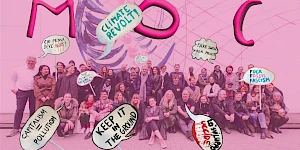
‘Gathering into the Maelstrom’ in Venice at Sale Docks is a four-day programme curated by Institute of Radical Imagination (IRI) and Sale Docks.
-
–Institute of Radical Imagination
Gathering into the Maelstrom (exhibition)
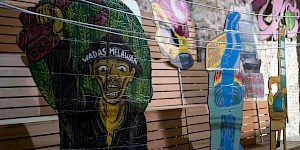
‘Gathering into the Maelstrom’ is curated by Institute of Radical Imagination and Sale Docks within the framework of Museum of the Commons.
-
–M HKA
The Lives of Animals
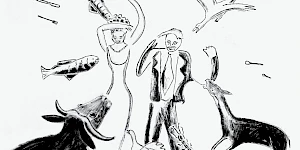
‘The Lives of Animals’ is a group exhibition at M HKA that looks at the subject of animals from the perspective of the visual arts.
-
–SALT
Warm Earth Sounds for Plants and the People Who Love Them
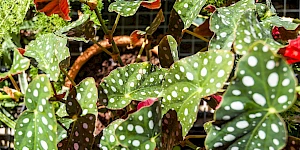
‘Warm Earth Sounds for Plants and the People Who Love Them’ is a series of sound installations by Özcan Ertek, Fulya Uçanok, Ömer Sarıgedik, Zeynep Ayşe Hatipoğlu, and Passepartout Duo, presented at Salt in Istanbul.
-
–SALT
Sound of Green
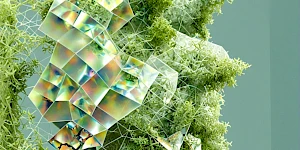
‘Warm Earth Sounds for Plants and the People Who Love Them’ at Salt in Istanbul begins on 5 June, World Environment Day, with Özcan Ertek’s installation ‘Sound of Green’.
-
–Museo Reina Sofia
Open Call: Research Residencies
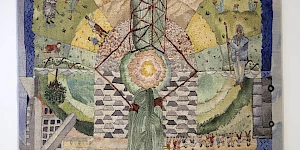
The Centro de Estudios of Museo Reina Sofía releases its open call for research residencies as part of the climate thread within the Museum of the Commons programme.
-
HDK-Valand
Climate Forum II
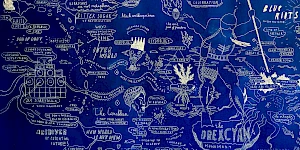
The Climate Forum is a series of online meetings hosted by HDK-Valand within L’Internationale’s Museum of the Commons programme. The series builds upon earlier research resulting in the (2022) book Climate: Our Right to Breathe and reaches toward emerging change practices.
-
HDK-Valand
Climate Forum III
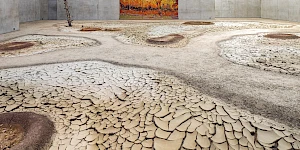
The Climate Forum is a series of online meetings hosted by HDK-Valand within L’Internationale’s Museum of the Commons programme. The series builds upon earlier research resulting in the (2022) book Climate: Our Right to Breathe and reaches toward emerging change practices.
-
MACBA
The Open Kitchen. Map of edible tensions
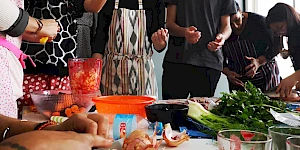
with Marina Monsonís, Paisanaje and Ruralitzem
The MACBA Kitchen is a working group situated against the backdrop of ecosocial crisis. Participants in the group aim to highlight the importance of intuitively imagining an ecofeminist kitchen, and take a particular interest in the wisdom of individuals, projects and experiences that work with dislocated knowledge in relation to food sovereignty. -
MACBA
The Open Kitchen. Food networks in an emergency situation
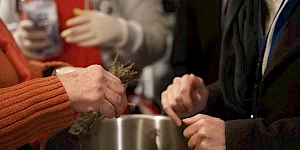
with Marina Monsonís, the Cabanyal cooking, Resistencia Migrante Disidente and Assemblea Catalana per la Transició Ecosocial
The MACBA Kitchen is a working group situated against the backdrop of ecosocial crisis. Participants in the group aim to highlight the importance of intuitively imagining an ecofeminist kitchen, and take a particular interest in the wisdom of individuals, projects and experiences that work with dislocated knowledge in relation to food sovereignty. -
–
Kyiv Biennial 2025
L’Internationale Confederation is proud to co-organise this years’ edition of the Kyiv Biennial.
-
–M HKA
The Geopolitics of Infrastructure
The exhibition The Geopolitics of Infrastructure presents the work of a generation of artists bringing contemporary perspectives on the particular topicality of infrastructure in a transnational, geopolitical context.
-
–MACBAMuseo Reina Sofia
School of Common Knowledge 2025
The second iteration of the School of Common Knowledge will bring together international participants, faculty from the confederation and situated organizations in Barcelona and Madrid.
-
–SALT
The Lives of Animals, Salt Beyoğlu
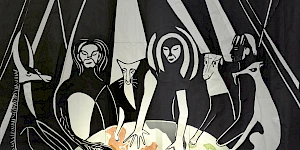
‘The Lives of Animals’ is a group exhibition at Salt that looks at the subject of animals from the perspective of the visual arts.
-
–SALT
Plant(ing) Entanglements
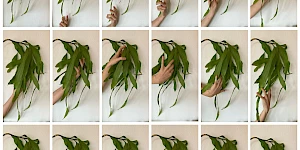
The series of sound installations Warm Earth Sounds for Plants and the People Who Love Them ends with Fulya Uçanok’s sound installation Plant(ing) Entanglements.
-
Museo Reina Sofia
School of Commoning Practices: Publication
Students, teachers and organizations of self-managed language and cultural mediation schools for migrants in Florence, Athens and Madrid share their experiences.
-
–Museo Reina Sofia
Sustainable Art Production. Research Residencies
The projects selected in the first call of the Sustainable Art Practice research residencies are A hores d'ara. Experiences and memory of the defense of the Huerta valenciana through its archive by the group of researchers Anaïs Florin, Natalia Castellano and Alba Herrero; and Fundamental Errors by the filmmaker and architect Mauricio Freyre.
-
–IMMANCAD
Summer School: Landscape (post) Conflict
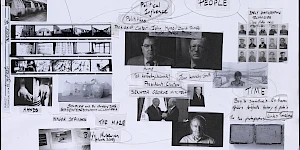
The Irish Museum of Modern Art and the National College of Art and Design, as part of L’internationale Museum of the Commons, is hosting a Summer School in Dublin between 7-11 July 2025. This week-long programme of lectures, discussions, workshops and excursions will focus on the theme of Landscape (post) Conflict and will feature a number of national and international artists, theorists and educators including Jill Jarvis, Amanda Dunsmore, Yazan Kahlili, Zdenka Badovinac, Marielle MacLeman, Léann Herlihy, Slinko, Clodagh Emoe, Odessa Warren and Clare Bell.
-
HDK-Valand
Climate Forum IV
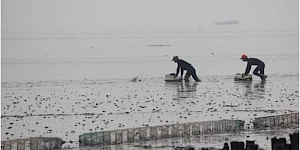
The Climate Forum is a series of online meetings hosted by HDK-Valand within L’Internationale’s Museum of the Commons programme. The series builds upon earlier research resulting in the (2022) book Climate: Our Right to Breathe and reaches toward emerging change practices.
-
–Museo Reina Sofia
Study Group: Aesthetics of Peace and Desertion Tactics
In a present marked by rearmament, war, genocide, and the collapse of the social contract, this study group aims to equip itself with tools to, on one hand, map genealogies and aesthetics of peace – within and beyond the Spanish context – and, on the other, analyze strategies of pacification that have served to neutralize the critical power of peace struggles.
-
–MSU Zagreb
October School: Moving Beyond Collapse: Reimagining Institutions
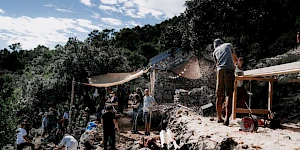
The October School at ISSA will offer space and time for a joint exploration and re-imagination of institutions combining both theoretical and practical work through actually building a school on Vis. It will take place on the island of Vis, off of the Croatian coast, organized under the L’Internationale project Museum of the Commons by the Museum of Contemporary Art in Zagreb and the Island School of Social Autonomy (ISSA). It will offer a rich program consisting of readings, lectures, collective work and workshops, with Adania Shibli, Kristin Ross, Robert Perišić, Saša Savanović, Srećko Horvat, Marko Pogačar, Zdenka Badovinac, Bojana Piškur, Theo Prodromidis, Ovidiu Ţichindeleanu, Progressive International, Naan-Aligned cooking, and others.
-
–MSN Warsaw
Near East, Far West. Kyiv Biennial 2025
The main exhibition of the 6th Kyiv Biennial 2025, titled Near East, Far West, is organized by a consortium of curators from L’Internationale. It features seven new artists’ commissions, alongside works from the collections of member institutions of L’Internationale and a number of other loans.
-
–M HKA
Homelands and Hinterlands. Kyiv Biennial 2025
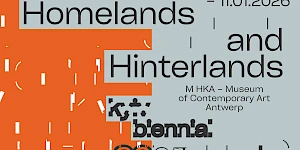
Following the trans-national format of the 2023 edition, the Kyiv Biennial 2025 will again take place in multiple locations across Europe. Museum of Contemporary Art Antwerp (M HKA) presents a stand-alone exhibition that acts also as an extension of the main biennial exhibition held at the newly-opened Museum of Modern Art in Warsaw (MSN).
In reckoning with the injustices and atrocities committed by the imperialisms of today, Kyiv Biennial 2025 reflects with historical consciousness on failed solidarities and internationalisms. It does this across an axis that the curators describe as Middle-East-Europe, a term encompassing Central Eastern Europe, the former-Soviet East and the Middle East.
-
HDK-Valand
MA Forum in collaboration with LIO: Nour Shantout
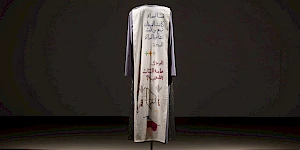
In this artist talk, Nour Shantout will present Searching for the New Dress, an ongoing artistic research project that looks at Palestinian embroidery in Shatila, a Palestinian refugee camp in Lebanon. Welcome!
-
MACBA
PEI Obert: Bodies of Evidence. A lecture by Ido Nahari and Adam Broomberg
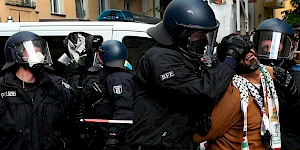
In the second day of Open PEI, writer and researcher Ido Nahari and artist, activist and educator Adam Broomberg bring us Bodies of Evidence, a lecture that analyses the circulation and functioning of violent images of past and present genocides. The debate revolves around the new fundamentalist grammar created for this documentation.
-
–
Everything for Everybody. Kyiv Biennial 2025
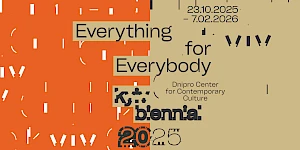
As one of five exhibitions comprising the 6th Kyiv Biennial 2025, ‘Everything for Everybody’ takes place in the Ukraine, at the Dnipro Center for Contemporary Culture.
-
–
In a Grandiose Sundance, in a Cosmic Clatter of Torture. Kyiv Biennial 2025
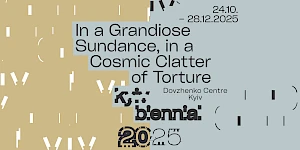
As one of five exhibitions comprising the 6th Kyiv Biennial 2025, ‘In a Grandiose Sundance, in a Cosmic Clatter of Torture’ takes place at the Dovzhenko Centre in Kyiv.
-
MACBA
School of Common Knowledge: Fred Moten
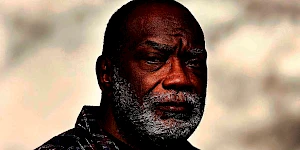
Fred Moten gives the lecture Some Prœposicions (On, To, For, Against, Towards, Around, Above, Below, Before, Beyond): the Work of Art. As part of the Project a Black Planet exhibition, MACBA presents this lecture on artworks and art institutions in relation to the challenge of blackness in the present day.
-
–MACBA
Visions of Panafrica. Film programme
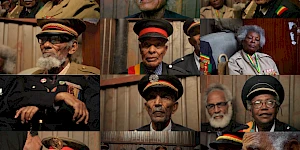
Visions of Panafrica is a film series that builds on the themes explored in the exhibition Project a Black Planet: The Art and Culture of Panafrica, bringing them to life through the medium of film. A cinema without a geographical centre that reaffirms the cultural and political relevance of Pan-Africanism.
-
MACBA
Farah Saleh. Balfour Reparations (2025–2045)
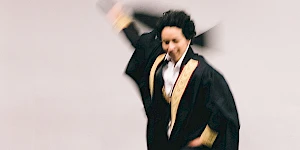
As part of the Project a Black Planet exhibition, MACBA is co-organising Balfour Reparations (2025–2045), a piece by Palestinian choreographer Farah Saleh included in Hacer Historia(s) VI (Making History(ies) VI), in collaboration with La Poderosa. This performance draws on archives, memories and future imaginaries in order to rethink the British colonial legacy in Palestine, raising questions about reparation, justice and historical responsibility.
-
MACBA
Project a Black Planet: The Art and Culture of Panafrica OPENING EVENT
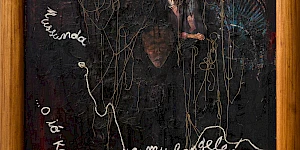
A conversation between Antawan I. Byrd, Adom Getachew, Matthew S. Witkovsky and Elvira Dyangani Ose. To mark the opening of Project a Black Planet: The Art and Culture of Panafrica, the curatorial team will delve into the exhibition’s main themes with the aim of exploring some of its most relevant aspects and sharing their research processes with the public.
-
MACBA
Palestine Cinema Days 2025: Al-makhdu’un (1972)
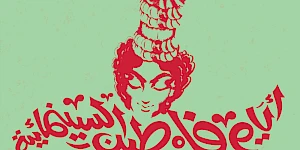
Since 2023, MACBA has been part of an international initiative in solidarity with the Palestine Cinema Days film festival, which cannot be held in Ramallah due to the ongoing genocide in Palestinian territory. During the first days of November, organizations from around the world have agreed to coordinate free screenings of a selection of films from the festival. MACBA will be screening the film Al-makhdu’un (The Dupes) from 1972.
-
Museo Reina Sofia
Cinema Commons #1: On the Art of Occupying Spaces and Curating Film Programmes
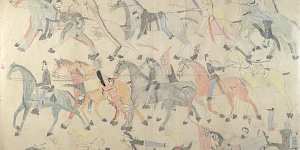
On the Art of Occupying Spaces and Curating Film Programmes is a Museo Reina Sofía film programme overseen by Miriam Martín and Ana Useros, and the first within the project The Cinema and Sound Commons. The activity includes a lecture and two films screened twice in two different sessions: John Ford’s Fort Apache (1948) and John Gianvito’s The Mad Songs of Fernanda Hussein (2001).
-
–
Vertical Horizon. Kyiv Biennial 2025
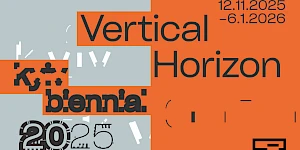
As one of five exhibitions comprising the 6th Kyiv Biennial 2025, ‘Vertical Horizon’ takes place at the Lentos Kunstmuseum in Linz, at the initiative of tranzit.at.
-
–
International Day of Solidarity with the Palestinian People: Activities
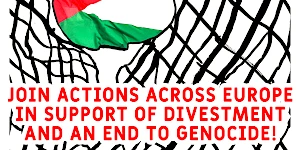
To mark International Day of Solidarity with the Palestinian People and in conjunction with our collective text, we, the cultural workers of L'Internationale have compiled a list of programmes, actions and marches taking place accross Europe. Below you will find programmes organized by partner institutions as well as activities initaited by unions and grass roots organisations which we will be joining.
This is a live document and will be updated regularly.
-
HDK-Valand
MA Forum in collaboration with LIO: Adam Broomberg
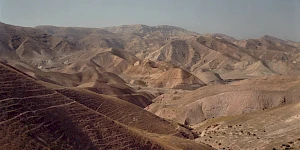
In this MA Forum we welcome artist Adam Broomberg. In his lecture he will focus on two photographic projects made in Israel/Palestine twenty years apart. Both projects use the medium of photography to communicate the weaponization of nature.
-
MACBA
PEI Obert: Until Liberation: A Collective Reading and Listening Session by Learning Palestine
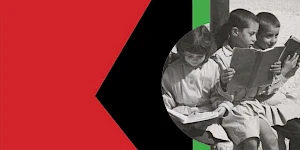
PEI Obert presents a collective session with Learning Palestine. At this historical juncture – amid the ongoing genocide in Gaza and the censorship and repression of all things Palestinian – Learning Palestine invites us to gather not only in refusal but also in affirmation.
Related contributions and publications
-
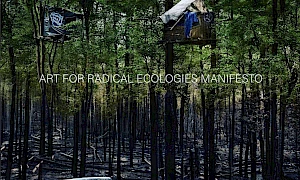
Art for Radical Ecologies Manifesto
Institute of Radical ImaginationLand RelationsClimateInstitute of Radical Imagination -
Decolonial aesthesis: weaving each other
Charles Esche, Rolando Vázquez, Teresa Cos RebolloLand RelationsClimate -
Climate Forum I – Readings
Nkule MabasoEN esLand RelationsClimateHDK-Valand -
…and the Earth along. Tales about the making, remaking and unmaking of the world.
Martin PogačarLand RelationsClimatePast in the Present -
Pollution as a Weapon of War
Svitlana MatviyenkoClimate -
Ecologising Museums
Land Relations -
Climate: Our Right to Breathe
Land RelationsClimate -
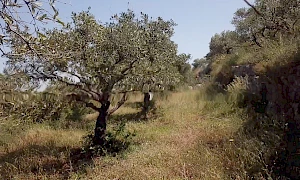
A Letter Inside a Letter: How Labor Appears and Disappears
Marwa ArsaniosLand RelationsClimate -
Seeds Shall Set Us Free II
Munem WasifLand RelationsClimate -
Prácticas lumbung para resistir y colaborar desde el arte
Constanza Yévenes BiénzobasEN eslumbungSituated OrganizationsMuseo Reina Sofia -
Algunos términos que guían a lumbung press: Definiendo “edición”
Erick BeltránEN eslumbungSituated OrganizationsMACBA -
Pollution as a Weapon of War – a conversation with Svitlana Matviyenko
Svitlana MatviyenkoClimateClimate book launchHDK-Valand -
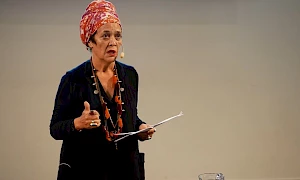
Françoise Vergès – Breathing: A Revolutionary Act
Françoise VergèsClimateClimate book launchHDK-Valand -
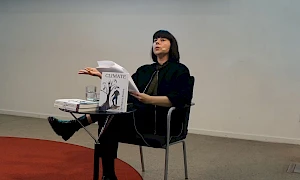
Ana Teixeira Pinto – Fire and Fuel: Energy and Chronopolitical Allegory
Ana Teixeira PintoClimateClimate book launchHDK-Valand -
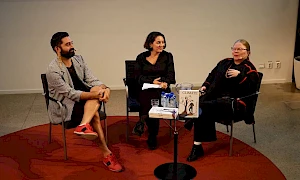
Watery Histories – a conversation between artists Katarina Pirak Sikku and Léuli Eshrāghi
Léuli Eshrāghi, Katarina Pirak SikkuClimateClimate book launchHDK-Valand -
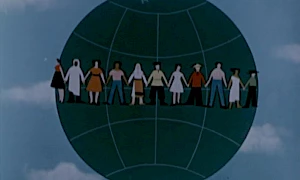
The Veil of Peace
Ovidiu ŢichindeleanuPast in the Presenttranzit.ro -
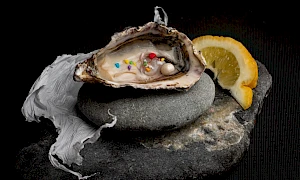
Discomfort at Dinner: The role of food work in challenging empire
Mary FawzyLand RelationsSituated Organizations -
Indra's Web
Vandana SinghLand RelationsPast in the PresentClimate -
Mix tape: Let's funk up all genders!
Materia Hache / Others to the FrontEN esSonic and Cinema CommonsSituated OrganizationsMuseo Reina Sofia -
Towards Collective Learning, or, Decompartmentalizing Education
María Berríos, Fran MM Cabeza de Vaca, Yolande Zola Zoli van der Heide, Nick AikensSchoolsSituated Organizations -
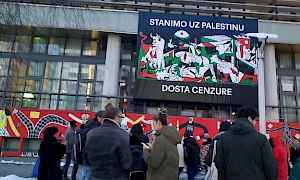
The Silence Has Been Unfolding For Too Long
The Free Palestine Initiative CroatiaInternationalismsPast in the PresentSituated OrganizationsInstitute of Radical ImaginationMSU Zagreb -
En dag kommer friheten att finnas
Françoise Vergès, Maddalena FragnitoEN svInternationalismsLand RelationsClimateInstitute of Radical Imagination -
Art and Materialisms: At the intersection of New Materialisms and Operaismo
Emanuele BragaLand RelationsClimateInstitute of Radical Imagination -
Dispatch: Harvesting Non-Western Epistemologies (ongoing)
Adelina LuftLand RelationsSchoolsClimatetranzit.ro -
Dispatch: From the Eleventh Session of Non-Western Technologies for the Good Life
Ana KunLand RelationsSchoolstranzit.ro -
Reading list: School of Common Knowledge 2024
School of Common KnowledgeSchoolsSituated OrganizationsMSU ZagrebModerna galerijaZRC SAZU -
Dispatch: Practicing Conviviality
Ana BarbuClimateSchoolsLand Relationstranzit.ro -
Dispatch: Notes on Separation and Conviviality
Raluca PopaLand RelationsSchoolsSituated OrganizationsClimatetranzit.ro -
Dispatch: The Arrow of Time
Catherine MorlandClimatetranzit.ro -
To Build an Ecological Art Institution: The Experimental Station for Research on Art and Life
Ovidiu Ţichindeleanu, Raluca VoineaLand RelationsClimateSituated Organizationstranzit.ro -
Dispatch: A Shared Dialogue
Irina Botea Bucan, Jon DeanLand RelationsSchoolsClimatetranzit.ro -
Art, Radical Ecologies and Class Composition: On the possible alliance between historical and new materialisms
Marco BaravalleLand RelationsClimateInstitute of Radical Imagination -
‘Territorios en resistencia’, Artistic Perspectives from Latin America
Rosa Jijón & Francesco Martone (A4C), Sofía Acosta Varea, Boloh Miranda Izquierdo, Anamaría GarzónLand RelationsClimateInstitute of Radical Imagination -
Dispatch: In between the lessons. Staying together in uncertain times, laughing in the face of trouble, and disobeying; the future belongs to us
Antonela SoleničkiSchoolsSituated OrganizationsMSU ZagrebModerna galerijaZRC SAZU -
Dispatch: The Commonsverse and Situated Organisations – or why the era of big institutions will come to an end
Denise PolliniSchoolsSituated OrganizationsMSU ZagrebModerna galerijaZRC SAZU -
Dispatch: A Buriti Tree
Lucas PrettiSchoolsSituated OrganizationsMSU ZagrebModerna galerijaZRC SAZU -
Unhinging the Dual Machine: The Politics of Radical Kinship for a Different Art Ecology
Federica TimetoLand RelationsClimateInstitute of Radical Imagination -
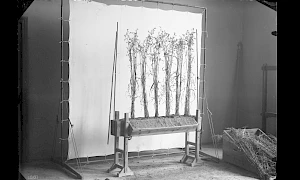
Cultivating Abundance
Åsa SonjasdotterLand RelationsClimatePast in the Present -
Poner el nombre a una causa en tierra extraña
Dagmary Olívar Graterol, Paola de la Vega VelasteguiEN esSchoolsSituated OrganizationsMuseo Reina Sofia -
Dispatch: To whom it may concern – the voice of the censor and re-calibrating words as an act of survival
AnonymousSchoolsSituated OrganizationsMSU ZagrebModerna galerijaZRC SAZU -
Rethinking Comradeship from a Feminist Position
Leonida KovačSchoolsInternationalismsSituated OrganizationsMSU ZagrebModerna galerijaZRC SAZU -
Climate Forum II – Readings
Nick Aikens, Nkule MabasoLand RelationsClimateHDK-Valand -
Klei eten is geen eetstoornis
Zayaan KhanEN nl frLand RelationsClimatePast in the Present -
Glöm ”aldrig mer”, det är alltid redan krig
Martin PogačarEN svLand RelationsPast in the Present -
Graduation
Koleka PutumaLand RelationsClimate -
Depression
Gargi BhattacharyyaLand RelationsClimate -

Climate Forum III – Readings
Yolande Zola Zoli van der HeideLand RelationsClimate -
Soils
Land RelationsClimateVan Abbemuseum -
Dispatch: There is grief, but there is also life
Cathryn KlastoLand RelationsClimate -
Beyond Distorted Realities: Palestine, Magical Realism and Climate Fiction
Sanabel Abdel RahmanEN trInternationalismsPast in the PresentClimate -
Dispatch: Care Work is Grief Work
Abril Cisneros RamírezLand RelationsClimate -
Collective Study in Times of Emergency. A Roundtable
Nick Aikens, Sara Buraya Boned, Charles Esche, Martin Pogačar, Ovidiu Ţichindeleanu, Ezgi YurteriInternationalismsPast in the PresentSituated Organizations -
Taking Part. A Guide to Participatory Tools and Techniques
EN esSchoolsSituated OrganizationsMuseo Reina Sofia -
Atención: participar en el Museo de los Comunes
Fran MM Cabeza de VacaEN esSchoolsSituated Organizations -
S come Silenzio
Maddalena FragnitoEN itInternationalismsSituated Organizations -
Reading List: Lives of Animals
Joanna ZielińskaLand RelationsClimateM HKA -
Sonic Room: Translating Animals
Joanna ZielińskaLand RelationsClimate -
Encounters with Ecologies of the Savannah – Aadaajii laɗɗe
Katia GolovkoLand RelationsClimate -
Trans Species Solidarity in Dark Times
Fahim AmirEN trLand RelationsClimate -
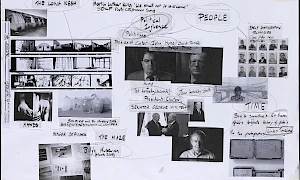
Reading List: Summer School, Landscape (post) Conflict
Summer School - Landscape (post) ConflictSchoolsLand RelationsPast in the PresentIMMANCAD -
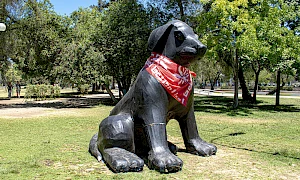
Solidarity is the Tenderness of the Species – Cohabitation its Lived Exploration
Fahim AmirEN trLand Relations -
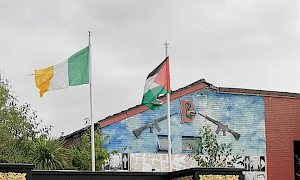
Dispatch: Reenacting the loop. Notes on conflict and historiography
Giulia TerralavoroSchoolsLand RelationsIMMANCAD -
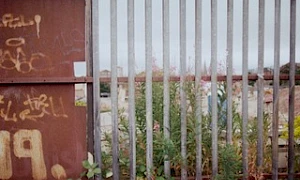
Dispatch: Haunting, cataloging and the phenomena of disintegration
Coco GoranSchoolsLand RelationsIMMANCAD -
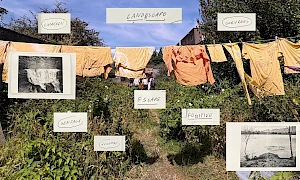
Dispatch: Landescape – bending words or what a new terminology on post-conflict could be
Amanda CarneiroSchoolsLand RelationsIMMANCAD -
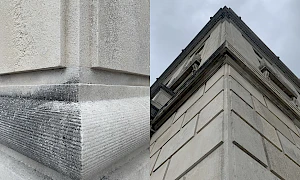
Dispatch: Landscape (Post) Conflict – Mediating the In-Between
Janine DavidsonSchoolsLand RelationsIMMANCAD -
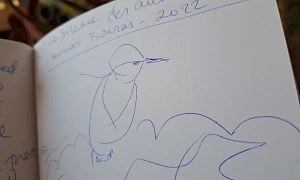
Dispatch: Excerpts from the six days and sixty one pages of the black sketchbook
Sabine El ChamaaSchoolsLand RelationsIMMANCAD -
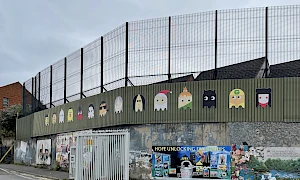
Dispatch: Withstanding. Notes on the material resonance of the archive and its practice
Giulio GonellaSchoolsLand RelationsIMMANCAD -
Climate Forum IV – Readings
Merve BedirLand RelationsHDK-Valand -
Land Relations: Editorial
L'Internationale Online Editorial BoardLand Relations -
Dispatch: Between Pages and Borders – (post) Reflection on Summer School ‘Landscape (post) Conflict’
Daria RiabovaSchoolsLand RelationsIMMANCAD -
Between Care and Violence: The Dogs of Istanbul
Mine YıldırımLand Relations -
Statement in support of M HKA
L’Internationale ConfederationStatements and editorialsSituated Organizations -
Reading list: October School. Reimagining Institutions
October SchoolSchoolsSituated OrganizationsClimateMSU Zagreb -
The Debt of Settler Colonialism and Climate Catastrophe
Nataša Petrešin-Bachelez, Olivier Marbœuf, Samia Henni, Marie-Hélène Villierme and Mililani GanivetLand Relations -
Cultural Workers of L’Internationale mark International Day of Solidarity with the Palestinian People
Cultural Workers of L’InternationaleEN es pl roInternationalismsSituated OrganizationsPast in the PresentStatements and editorials -
We, the Heartbroken, Part II: A Conversation Between G and Yolande Zola Zoli van der Heide
G, Yolande Zola Zoli van der HeideLand Relations -
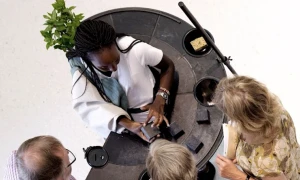
Poetics and Operations
Otobong Nkanga, Maya TountaLand Relations -
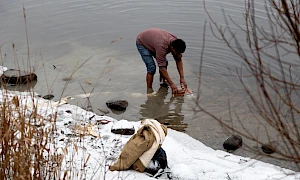
Breaths of Knowledges
Robel TemesgenClimateLand Relations -
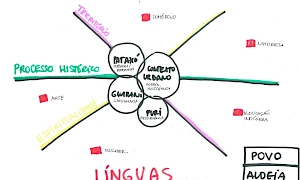
Algumas coisas que aprendemos: trabalhando com cultura indígena em instituições culturais
Sandra Ara Benites, Rodrigo Duarte, Pablo LafuenteEN ptLand Relations -
How to Keep On Without Knowing What We Already Know, Or, What Comes After Magic Words and Politics of Salvation
Mônica HoffClimate -
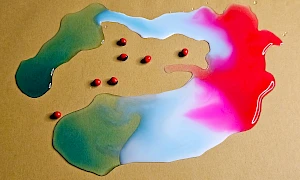
Conversation avec Keywa Henri
Keywa Henri, Anaïs RoeschEN frLand Relations -
The Fifth Estate: On Museums, Public Imagination and the Vanishing Space for Collectivity
Philippe Pirotte, Els Silvrants-BarclayEN nlSituated OrganizationsM HKA -
Mgo Ngaran, Puwason (Manobo language) Sa Kada Ngalan, Lasang (Sugbuanon language) Sa Bawat Ngalan, Kagubatan (Filipino) For Every Name, a Forest (English)
Kulagu Tu BuvonganLand Relations -
Making Ground
Kasangati Godelive Kabena, Nkule MabasoLand Relations -
The Climate Reader: Propositions, poetics, operations
Land RelationsClimateHDK-Valand -
Can the artworld strike for climate? Three possible answers
Jakub DepczyńskiLand Relations -
The Object of Value
SlinkoInternationalismsLand Relations