Dispatch: Friendship as Methodology / Friendship as Institution
Set on the island of Vis, the Island School of Social Autonomy (ISSA) is a project and place that ‘imagines, experiments with, and cultivates forms of knowledge production and sharing that go beyond traditional notions of education and its purpose’. Reflecting on their experience of ISSA, alongside the theme with which cofounder, philosopher and political activist Srećko Horvat opened this year’s programme – friendship as an institution – Orlà Brachi and Finnuala Brett explore the world-imagining and world-making potential of friendship, particularly from the perspective as young people navigating the world.
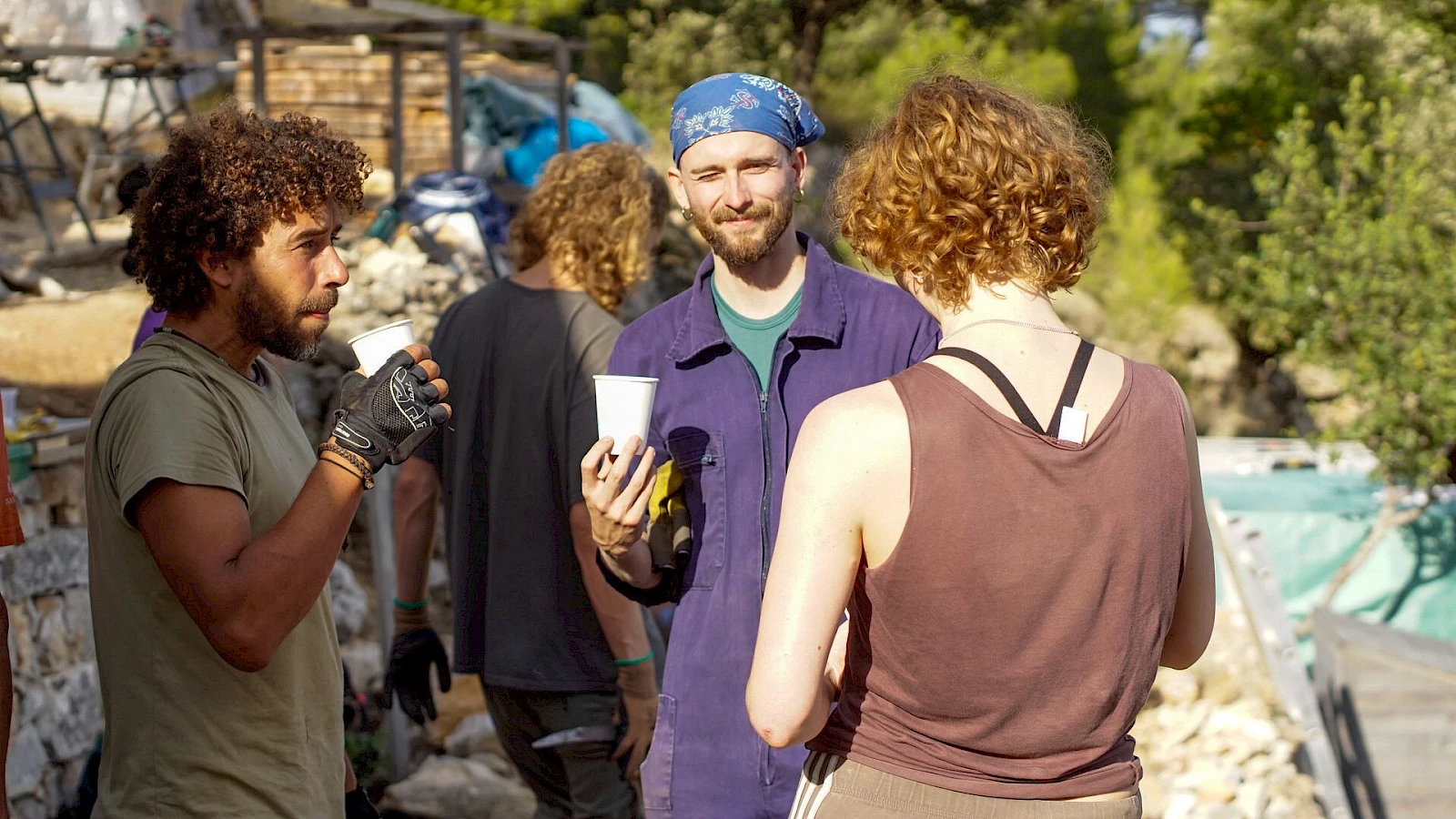
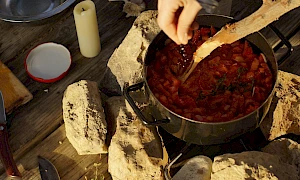
Friendship was the foundational ingredient allowing our original and accidental arrival at ISSA in 2024, and our return in October 2025. It changed our experience of learning from the hierarchical dynamic of a teacher-student exchange, flattening it into a lively and multiplicitous process of exchange. Friendship was the radicalising element of our experience of ISSA, but also of the island; international and intergenerational, unexpected and pre-established, it took many forms. It connected archipelagos of resistance and networks of strategy, fostered optimism and a desire for more, and allowed for essential moments: cooking, swimming, making / building / creating, and thinking together. In the face of global polycrises, ISSA also seeks ways of living beyond mere survival; ways of living together. When we left the transformative and hopeful space of ISSA and were confronted with the buzz of urban space and anonymous lives, friendship was – and is – the thing that tethers us to this experience. It offers hope that we can come back to ISSA and perhaps build our own schools elsewhere.
Remembering ISSA: dream-realities and life apart from the island of Vis
Finnula: I've been telling my friends how transformative ISSA has been. I try to describe its ambitions, the principles of social autonomy and the future it envisions, but when I describe the school it often feels reductive. To my parents, for example, I find I become defensive about the purpose I see in attending a school like this when my peers are focused on pursuing careers and more conventional measures of ‘success’.
I'm consciously resisting letting ISSA slip away, and that's quite a hard thing to do, because life at home is incredibly different to my experience there, to the islands, to swimming in the sea, to spending time with people in that setting, with ISSA's shared principles.
There’s lots of coexisting, jarring realities between my life here and what we could begin to experience there. It feels important to hold onto the feeling of ISSA and Komiža as another, no less possible reality, even if it's not the one I live right now.
Orlà: I relate to that. Like you, my reality here is at odds with life in and around the principles of ISSA. I’m working a zero-hours contract job and feel the constant pressure to work due to the cost of living in my city and unpredictability of my work.
I find myself asking: could a serious interest in different models of living and learning be compatible with surviving in the world as I know it? Can it coexist with my desire to have financial freedom? Is it a way to build a life I want, the imagining of a life I want, or maybe both the means and the end?
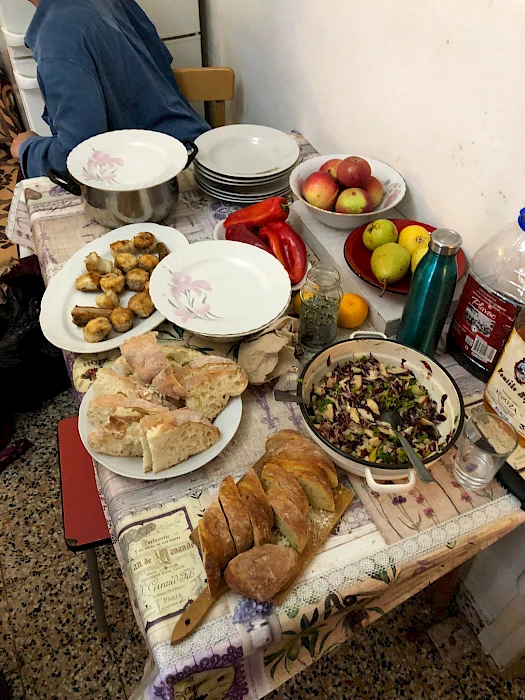
All photos Finnuala Brett and Orlà Brachi
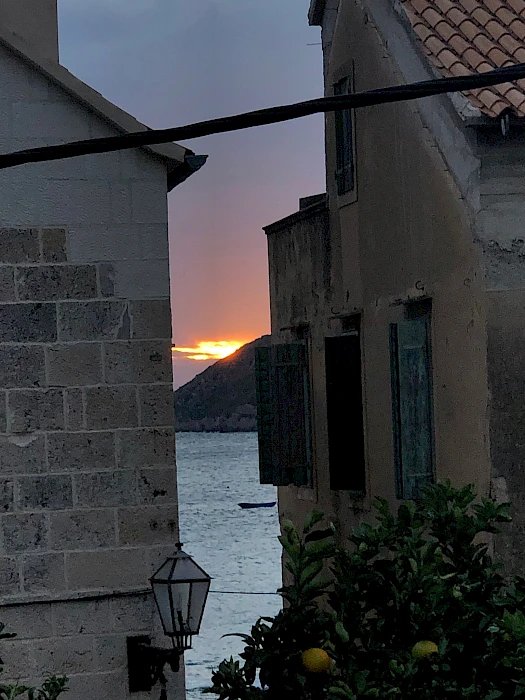
ISSA as a site of engagement, participation and living together
O: So many moments of the school were special. What was illuminating for you?
F: The conversations and some of the ISSA panels where there was dissent galvanized me – like I had more agency, like I don't need to be a perfect activist to fight for what I believe in or engage with ideas.
O: This year I felt more able to participate. Partly because of the school’s revised structure – we were meeting more participants and having deeper conversations. Some had histories of activism, but others just sought alternative ways of living – like our Slovenian friends with their house immersed in woodland wilderness. It was a reminder that resisting capitalism can take many forms.
F: The dynamic way ISSA invited participation over the week also reflected that. The breadth of activities and ways you could engage allowed for coming and going. In fact, it was a lot more in flux and open. It made the learning experience much richer, but it also meant that people could find and engage with it from different backgrounds.
O: It felt like we quickly connected with others. There was a gradual interlacing of our lives where we went from being autonomous agents to a sense of living together, however briefly. This experience of social synthesis elicited a special feeling of security.
I’ve realised that I don't live with enough proximity to others. I have a social life, but it's one that's often scheduled – it's organised and planned, but it's not coexistence. The experience of the school showed me how much I need coexistence, with support and community interwoven.
F: And that's exactly what last year’s ISSA was about, ‘To Live Together’. It’s been a reminder that living together, or sharing living, is nourishing.
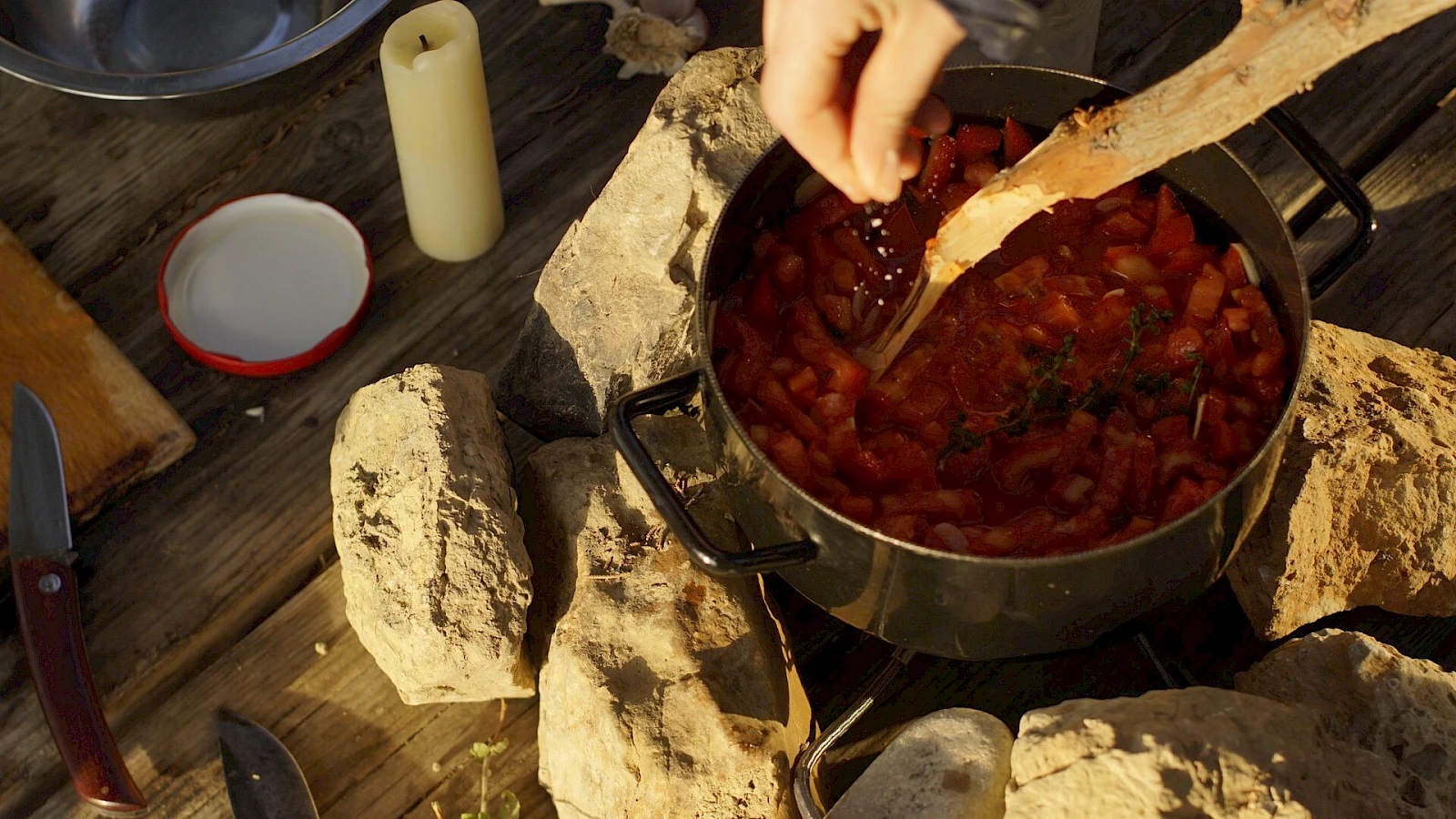
Friendship as an institution: horizontal, collaborative, and co-produced learning
O: How did the school elucidate the meaning of an institution?
F: From Srećko’s opening talk we thought about the relationship between friendship and what an institution is or can be. When I think of institutions, I think of them being co-built, with genuine care about something in common, which also defines a friendship. Commitment – to some degree – to keep on caring about it.
O: Yes, the idea of friendship as an institution resonated throughout the week. The institution of friendship provided delicious food and a warm place to stay; it made building a wall or clearing a bush ten times easier. It stood in place of a formal institution, except it was far more responsive, personal and relevant.
F: I realised that the energy for building institutions can come from mutual care and commitment, not just external sources like funding.
O: Yes – when people come together and commit to community, they possess many of the resources needed for the collective to get by. Obviously, there are cases where a formal institutions’ contributions are invaluable, but communities are so much more resilient than many of us realise.
I found the re-conception of an institution as an ever-changing and eclectic pool of collective resources, rather than a grandiose entity with a brand and website, walls and a physical space, revelatory.
F: What I appreciated was how friendship, institution, or the school in general was not restricted to the space of the school but extended into the space around ISSA. There was a dialogic relationship between ISSA, and the rest of daily living on the island. Quite spontaneously, we’d start to spend time together – I think of the last evening when we all turned up at our friend’s house, brought our leftovers and prepared a meal together.
O: When I talk about the school people often think of a programme, a curriculum, a classroom. But the greatest form of learning came from being around people of various standpoints who were curious about how we proceed through today’s polycrises. Places like the cafe-bar, Pirkotova Lula, buzzed with conversation. All of that felt like rich learning, the sort that you could never achieve on your own or in a conventional classroom environment.
F: ‘School’ evokes the idea of curriculum in a kind of routine, strict, set programme. And then you think of ‘hanging out’ as extracurricular. But here there was no distinction between a ‘curriculum’, and an ‘extra-curriculum’, which I think made for powerful form of learning.
O: You're right, living and learning together were simultaneous processes.
Dialogic relationships with place: ISSA, the landscape and histories of Komiža, and somatising theory through the body
O: I think ISSA does a good job of de-hierarchising forms of knowledge. Cognitive and bodily knowledge played crucial and complimentary roles in the programme.
In places like the university, learning is conventionally in the mind and often denies bodily needs – like sitting in the library for hours using just your brain to tackle something. But here, a swim and good food often followed an intensive lecture. It gave you the fuel and space to internalise knowledge – to somatise theory!
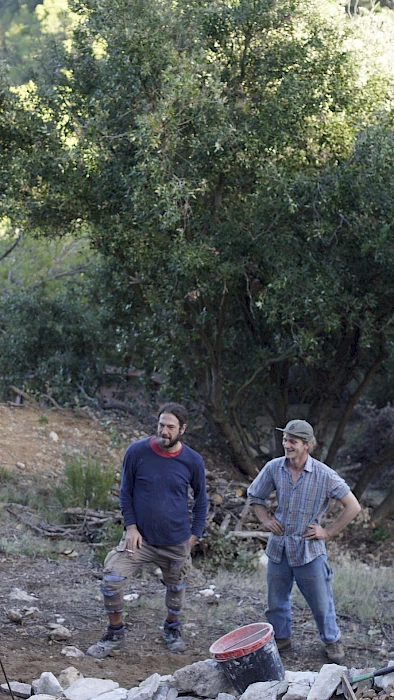
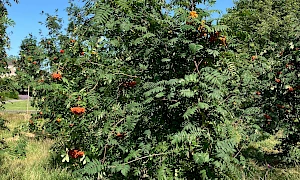
F: This was important, and in a way predicated on Komiža’s paradisical environment – where you feel you can live through the body. Swimming, spending time outside eating, being with each other. And ISSA obviously had elements of that as well, particularly in the Uphill days – the drystone wall building workshops, path-clearing, clearing bushes and carrying stones down from the hill and so on.
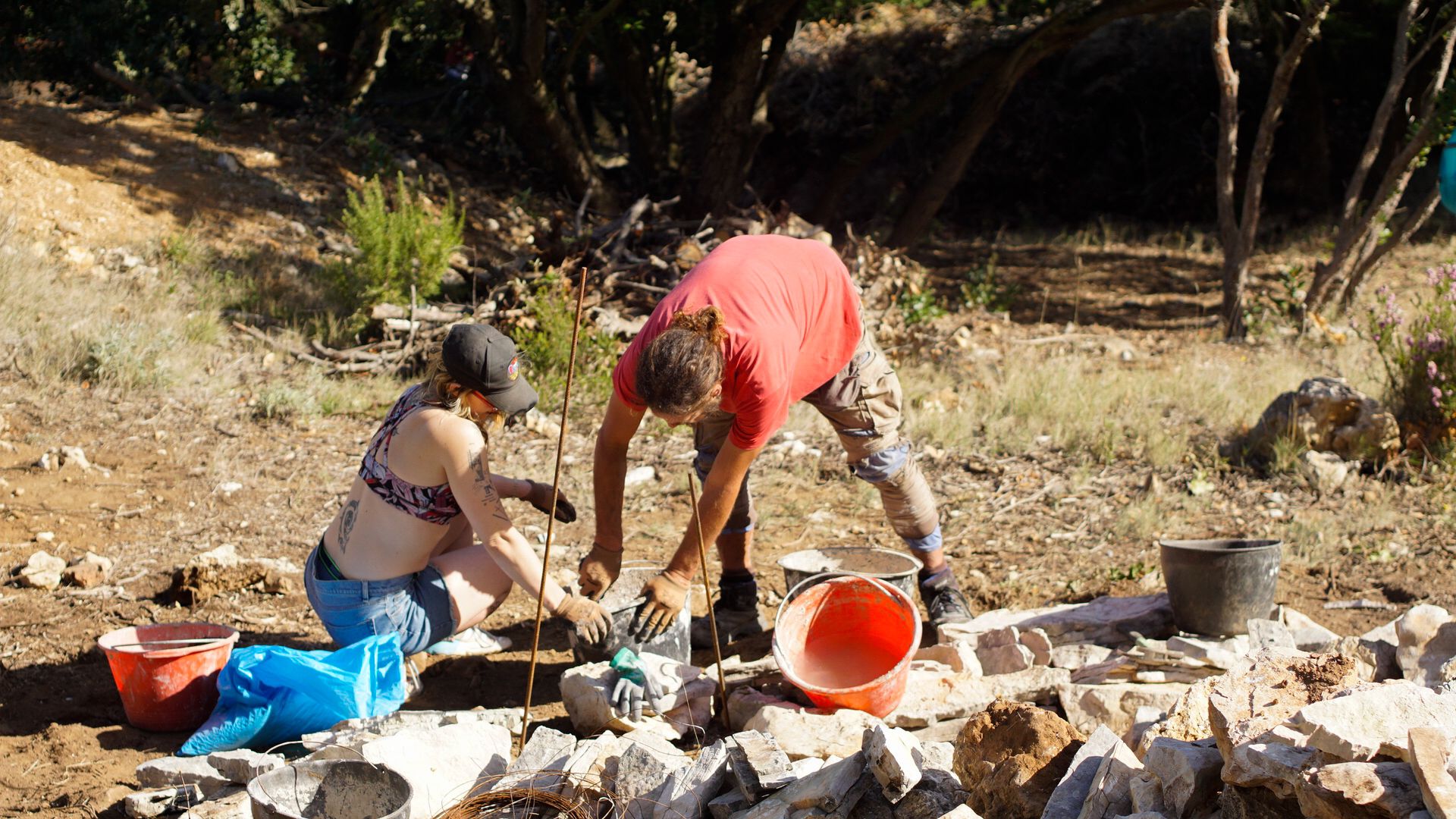
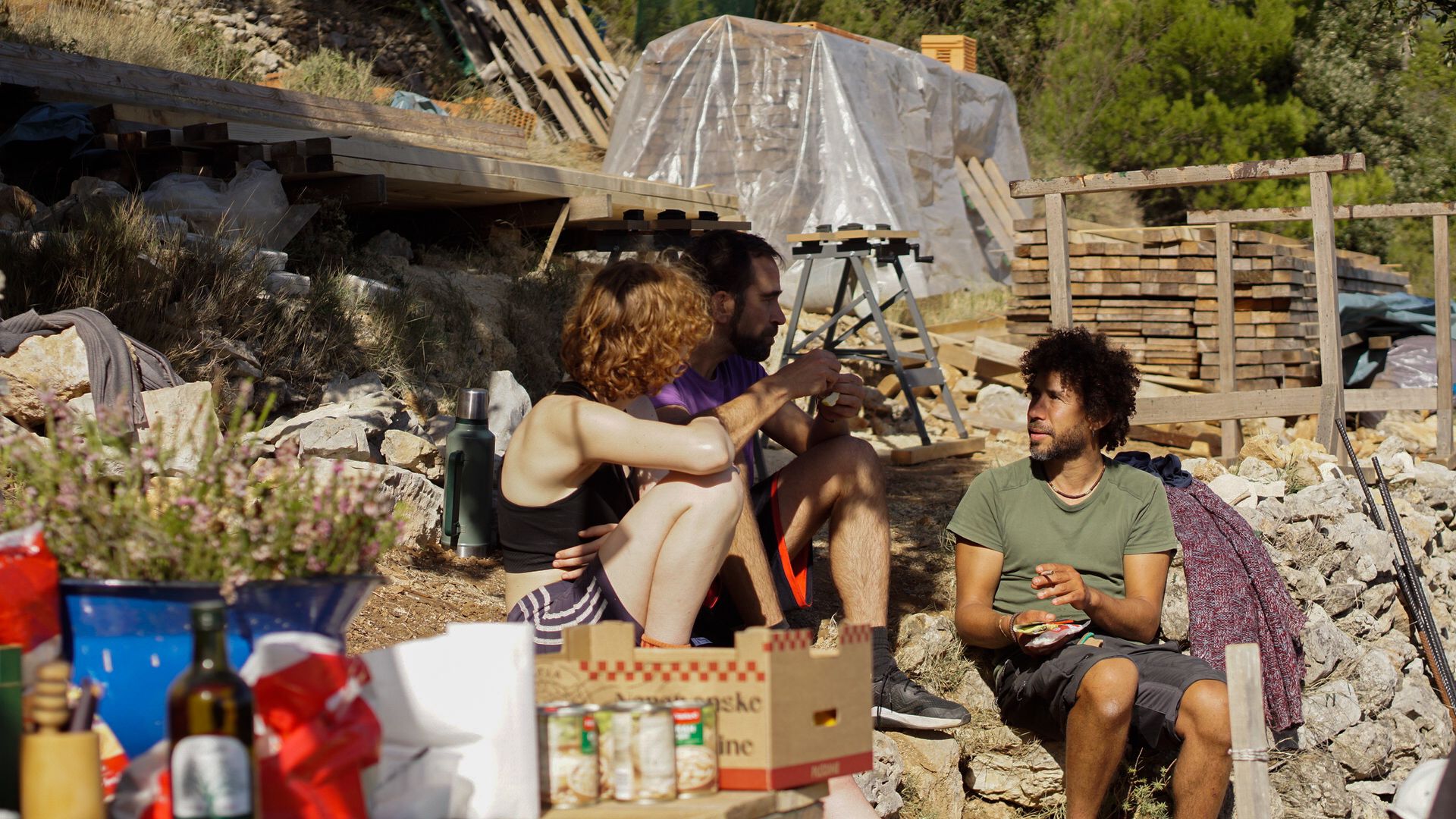
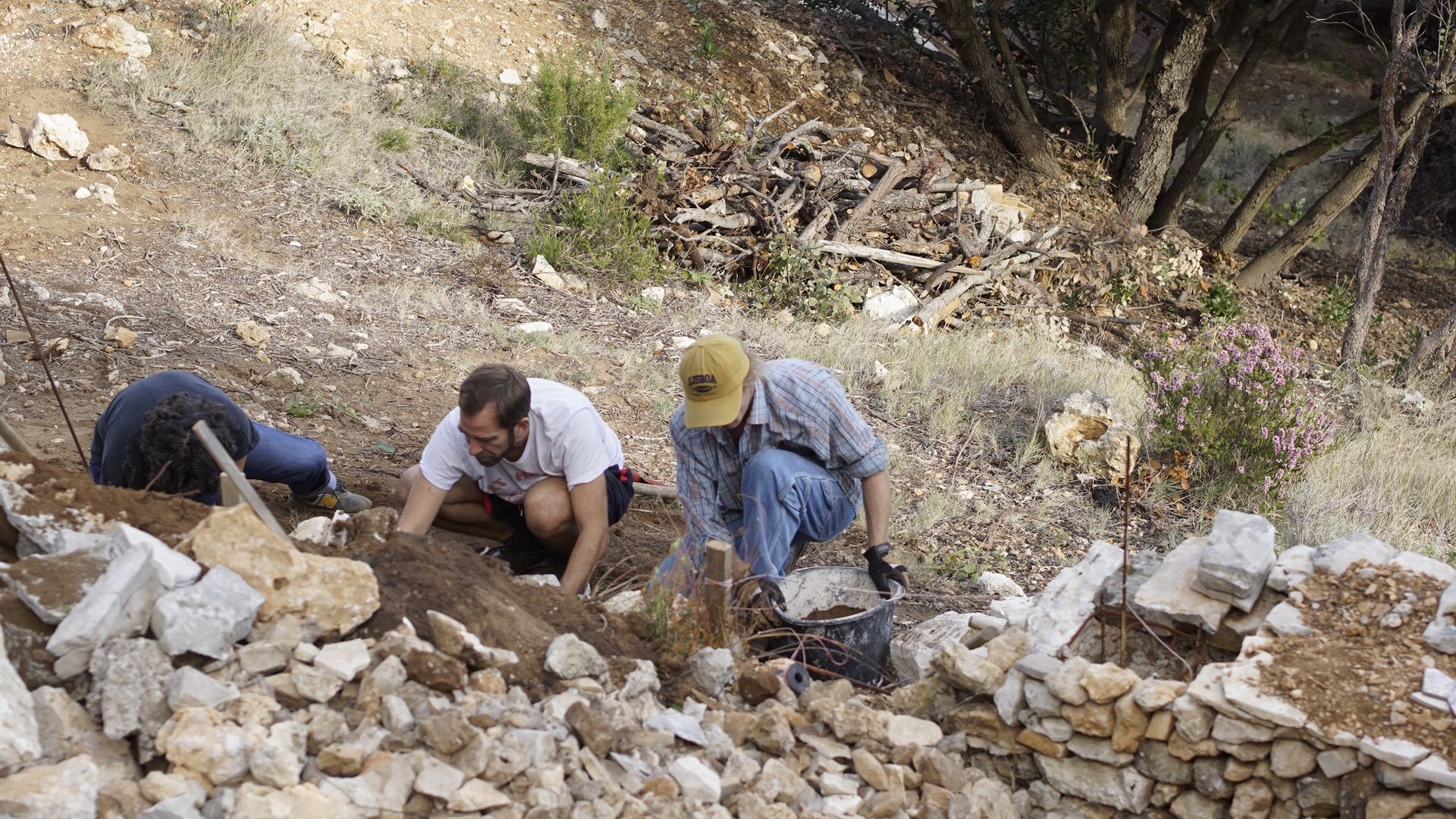
O: Living together involves the body. In many ways, the environment and learning experience of ISSA is like an ongoing process of proving that living together can be done. A commitment to the communal form doesn't have to be purist, isolating or difficult. It can be pleasurable. There can and should be, in Kristin Ross’s language, ‘communal luxury’.
Being able to participate in the environment is a special part of Vis. At the risk of overly romanticising life there, some locals seemed to live in genuine coexistence with their surroundings.
We've talked about the dialogic element of ISSA: its engagement with landscape, different schools of thought, the history of the island and its traditions. Do you think it does enough to involve local people and their knowledges?
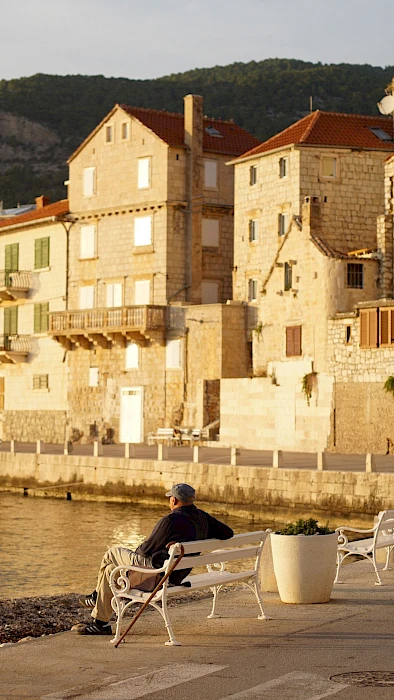
F: Perhaps, but I do think that it’s a young project, and this is a long-term process. Having a walking tour at the beginning was an effective way of anchoring the school in the landscape and history of the island. And anchoring it within this long history of anti-fascist resistance, its unique geographical conditions, the crucible of Yugoslav socialism in a way. I think it's important that ISSA's inspirations are so explicitly linked to place.
O: That reminds me of our conversation about anarchist autonomous zones. Some seem to operate as though in a vacuum, erasing place rather than building from or with it. As you say, a good deal of ISSA’s programme ties to its locality, but I do wonder if there's room to involve the local community more. It feels like there’s a fine line when creating a project like this for people to travel to, from the Balkans and further afield. It risks becoming an outpost of sorts, with potentially colonial implications. It's quite easy to operate through the same structures of tourism that we name as damaging: to visit and consume but not give back to the island any more than the school.
F: It's something to be aware of. It was great to have the Komižan language class during the self-organised sessions, for example. It's important that the school remains something co-created by local conditions and communities.
O: Ending our stay with Sabatina, the end-of-harvest festival up in the fields was a perfect answer to this. Something where we could come together – us from the school, islanders too – and have a dance, play music, share food and celebrate together.
Transplanting lessons from ISSA
O: I feel that the importance of place to ISSA becomes increasingly obvious when you leave it. My memories of the island have already become dream-like.
F: I had this physical sinking sensation in my stomach that I felt when we were walking through the streets of Split, in Zagreb – past shops full of things to buy, not recognising anyone in the streets.
O: I feel the only way to hold onto the experience and let it influence and shape our current lives, is to find a way of integrating the learning rather than attempting to replicate it.
F: I think it's less replicating than transplanting – trying to transplant the feeling of optimism, friendship, learning, so on, all the things that ISSA and Komiža let us feel into other places. It will always be an imperfect transplant, but perhaps that’s where to start. And that allows for building a career and building a community of people and being involved in things that you care about. At home in Nottingham, for example, I’ve been noticing this close-knit creative community where everyone supports each other. It might look different to ISSA, but it’s just as nourishing.
O: Yes, it's not the same as the island, people and community we experienced on Vis, but it is a network of people making things and supporting each other. Maybe that's one way of connecting to that feeling or transplanting it.
F: Exactly. I think it’s so important to recognise this and hold onto it, and then actively support those friendships. Last summer, my work friends and I found a Monday afternoon to go for a swim in the local river. And even though it’s not clean like in Vis, polluted which we can’t do anything about, we had such a good time.
O: It makes me think of the ‘defending’ rather than ‘resisting’, which Kristin Ross spoke about at the school. Defend your right to swim in natural bodies of water. Defend the things you love. Even when they're imperfect, even when they're just a trace of what they used to be.
Post script:
Since leaving ISSA, we’ve kept in touch even as we’ve gone separate ways into our own diverse lives. Just as conversation helped stoke the feelings of this year’s ISSA experience, so too it tethers us across the miles. This particular conversation, begun as a phone call, offered reflection, connection and hope. Like elevating friendship to institution, refiguring conversation as methodology becomes a tool for navigation and creation in these unpredictable times. We regard conversation as a chance for dialogue, horizontal interchange, and challenge – fostering mutual care, understanding, and new ways of seeing. In this way, it offers a fluid, accessible way of learning that reflects the form and aim of ISSA.
Related activities
-
–MACBA
Where are the Oases?
PEI OBERT seminar
with Kader Attia, Elvira Dyangani Ose, Max Jorge Hinderer Cruz, Emily Jacir, Achille Mbembe, Sarah Nuttall and Françoise VergèsAn oasis is the potential for life in an adverse environment.
-
–Museo Reina Sofia
Team of Teams
This project researches citizen participation as a fundamental pillar in the creation of community.
-
–tranzit.ro
Non-Western Technologies for the Good Life

The experimental course ‘Non-Western Technologies for the Good Life’ (November 2023–May 2024) celebrates as its starting point the anniversary of 50 years since the publication of Tools for Conviviality, considering that Ivan Illich’s call is as relevant as ever.
-
Institute of Radical ImaginationMSU Zagreb
Red, Green, Black and White
A performative inquiry by Institute of Radical Imagination and MSU Zagreb
-
–Moderna galerijaZRC SAZU
Summer School: Our Many Easts
Our Many Easts summer school is organised by Moderna galerija in Ljubljana in partnership with ZRC SAZU (the Research Centre of the Slovenian Academy of Sciences and Arts) as part of the L’Internationale project Museum of the Commons.
-
–MSU ZagrebVan AbbemuseumModerna galerijaZRC SAZU
Open Call – School of Common Knowledge 2024
MSU (Zagreb), Van Abbemuseum (Eindhoven), MG+MSUM (Ljubljana), ZRC SAZU (Ljubljana) and L'Internationale invite applications for the new School of Common Knowledge (SCK) to be held in Zagreb and Ljubljana 24–29 May 2024. The School of Common Knowledge draws on the network, knowledge and experience of the L’Internationale museum confederation. Its ambition is to be both nomadic and situated, looking at specific cultural and geopolitical situations while exploring their relations and interdependencies with the rest of the world. The SCK is built on the basis laid by the Glossary of Common Knowledge project initiated by Zdenka Badovinac and Moderna galerija (Ljubljana) and continues its co-learning methodology.
-
–MSU ZagrebModerna galerijaZRC SAZU
School of Common Knowledge 2024
School of Common Knowledge draws on the network, knowledge and experience of the L’Internationale museum confederation. Built on the basis laid by the Glossary of Common Knowledge, a project initiated by Zdenka Badovinac and Moderna Galerija in Ljubljana, it continues its co-learning methodology. Its ambition is to be both nomadic and situated, looking at specific cultural and geopolitical situations while exploring their relations and interdependencies with the rest of the world.
-
–Museo Reina SofiaMACBA
Open Call – School of Common Knowledge 2025
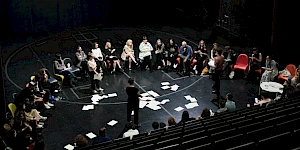
Museo Reina Sofía and MACBA Museu d’Art Contemporani de Barcelona (MACBA) invite applications for the 2025 iteration of the School of Common Knowledge, which will take place in Madrid and Barcelona 11-16 November 2025. The School of Common Knowledge (SCK) draws on the network, knowledge and experience of L’Internationale. Its ambition is to be both nomadic and situated, looking at specific cultural and geopolitical situations while exploring their relations and interdependencies with the rest of the world. This year, the SCK program focuses on the contested and dynamic notions of rooting and uprooting in the framework of present – colonial, migrant, situated, and ecological – complexities. Building on the legacy of the Glossary of Common Knowledge and the current European program Museum of the Commons, the SCK invites participants to reflect on the power of language to shape our understanding of art and society through a co-learning methodology.
-
–IMMANCAD
Summer School: Landscape (post) Conflict
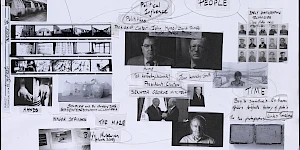
The Irish Museum of Modern Art and the National College of Art and Design, as part of L’internationale Museum of the Commons, is hosting a Summer School in Dublin between 7-11 July 2025. This week-long programme of lectures, discussions, workshops and excursions will focus on the theme of Landscape (post) Conflict and will feature a number of national and international artists, theorists and educators including Jill Jarvis, Amanda Dunsmore, Yazan Kahlili, Zdenka Badovinac, Marielle MacLeman, Léann Herlihy, Slinko, Clodagh Emoe, Odessa Warren and Clare Bell.
-
–MSU Zagreb
October School: Moving Beyond Collapse: Reimagining Institutions
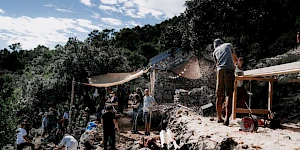
The October School at ISSA will offer space and time for a joint exploration and re-imagination of institutions combining both theoretical and practical work through actually building a school on Vis. It will take place on the island of Vis, off of the Croatian coast, organized under the L’Internationale project Museum of the Commons by the Museum of Contemporary Art in Zagreb and the Island School of Social Autonomy (ISSA). It will offer a rich program consisting of readings, lectures, collective work and workshops, with Adania Shibli, Kristin Ross, Robert Perišić, Saša Savanović, Srećko Horvat, Marko Pogačar, Zdenka Badovinac, Bojana Piškur, Theo Prodromidis, Ovidiu Ţichindeleanu, Progressive International, Naan-Aligned cooking, and others.
-
MACBA
PEI Obert: Bodies of Evidence. A lecture by Ido Nahari and Adam Broomberg
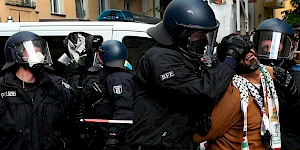
In the second day of Open PEI, writer and researcher Ido Nahari and artist, activist and educator Adam Broomberg bring us Bodies of Evidence, a lecture that analyses the circulation and functioning of violent images of past and present genocides. The debate revolves around the new fundamentalist grammar created for this documentation.
-
HDK-Valand
MA Forum in collaboration with LIO: Cathryn Klasto

In this MA Forum we welcome artist and researcher Cathryn Klasto. This talk will share some working insight into Klasto’s ongoing book project ‘Space Trekking’. The book is a collection of visual essays which tries to reveal the relationship between artistic research, ethics and interstellar spatial phenomena storied within the Star Trek universe.
-
–MSU Zagreb
Open Call: Artist Residency
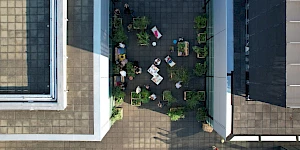
Museum of Contemporary Art Zagreb invites artists to apply for the international one-month residency, planned to be held from 20 September to 20 October 2026. The residency will take place within the project ‘Meeting Point’ and the international programme ‘Museum of the Commons’ within the L’Internationale network.
Related contributions and publications
-
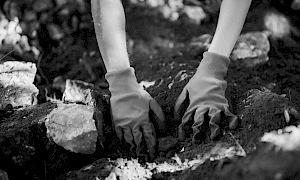
Reading list: October School. Reimagining Institutions
October SchoolSchoolsSituated OrganizationsClimateMSU Zagreb -
Glossary of Common Knowledge, Vol. 2
Schools -
Glossary of Common Knowledge
Schools -
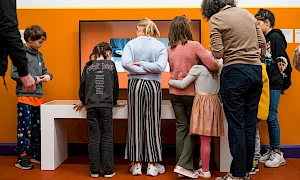
Towards Collective Learning, or, Decompartmentalizing Education
María Berríos, Fran MM Cabeza de Vaca, Yolande Zola Zoli van der Heide, Nick AikensSchoolsSituated Organizations -
The Silence Has Been Unfolding For Too Long
The Free Palestine Initiative CroatiaInternationalismsPast in the PresentSituated OrganizationsInstitute of Radical ImaginationMSU Zagreb -
Dispatch: Harvesting Non-Western Epistemologies (ongoing)
Adelina LuftLand RelationsSchoolsClimatetranzit.ro -
Dispatch: From the Eleventh Session of Non-Western Technologies for the Good Life
Ana KunLand RelationsSchoolstranzit.ro -
Reading list: School of Common Knowledge 2024
School of Common KnowledgeSchoolsSituated OrganizationsMSU ZagrebModerna galerijaZRC SAZU -
Dispatch: Practicing Conviviality
Ana BarbuClimateSchoolsLand Relationstranzit.ro -
Dispatch: Notes on Separation and Conviviality
Raluca PopaLand RelationsSchoolsSituated OrganizationsClimatetranzit.ro -
Dispatch: A Shared Dialogue
Irina Botea Bucan, Jon DeanLand RelationsSchoolsClimatetranzit.ro -
Dispatch: In between the lessons. Staying together in uncertain times, laughing in the face of trouble, and disobeying; the future belongs to us
Antonela SoleničkiSchoolsSituated OrganizationsMSU ZagrebModerna galerijaZRC SAZU -
Dispatch: The Commonsverse and Situated Organisations – or why the era of big institutions will come to an end
Denise PolliniSchoolsSituated OrganizationsMSU ZagrebModerna galerijaZRC SAZU -
Dispatch: A Buriti Tree
Lucas PrettiSchoolsSituated OrganizationsMSU ZagrebModerna galerijaZRC SAZU -
Poner el nombre a una causa en tierra extraña
Dagmary Olívar Graterol, Paola de la Vega VelasteguiEN esSchoolsSituated OrganizationsMuseo Reina Sofia -
Dispatch: To whom it may concern – the voice of the censor and re-calibrating words as an act of survival
AnonymousSchoolsSituated OrganizationsMSU ZagrebModerna galerijaZRC SAZU -
Rethinking Comradeship from a Feminist Position
Leonida KovačSchoolsInternationalismsSituated OrganizationsMSU ZagrebModerna galerijaZRC SAZU -
Reading list - Summer School: Our Many Easts
Summer School - Our Many EastsSchoolsPast in the PresentModerna galerija -
Dispatch: ‘I don't believe in revolution, but sometimes I get in the spirit.’
Megan HoetgerSchoolsPast in the Present -
Dispatch: Notes on (de)growth from the fragments of Yugoslavia's former alliances
Ava ZevopSchoolsPast in the Present -
Dispatch: A Silent Conversation
Anela DumonjićSchoolsModerna galerija -
Taking Part. A Guide to Participatory Tools and Techniques
EN esSchoolsSituated OrganizationsMuseo Reina Sofia -
Atención: participar en el Museo de los Comunes
Fran MM Cabeza de VacaEN esSchoolsSituated Organizations -
Reading List: Summer School, Landscape (post) Conflict
Summer School - Landscape (post) ConflictSchoolsLand RelationsPast in the PresentIMMANCAD -
Dispatch: Reenacting the loop. Notes on conflict and historiography
Giulia TerralavoroSchoolsLand RelationsIMMANCAD -
Dispatch: Haunting, cataloging and the phenomena of disintegration
Coco GoranSchoolsLand RelationsIMMANCAD -
Dispatch: Landescape – bending words or what a new terminology on post-conflict could be
Amanda CarneiroSchoolsLand RelationsIMMANCAD -
Dispatch: Landscape (Post) Conflict – Mediating the In-Between
Janine DavidsonSchoolsLand RelationsIMMANCAD -
Dispatch: Excerpts from the six days and sixty one pages of the black sketchbook
Sabine El ChamaaSchoolsLand RelationsIMMANCAD -
Dispatch: Withstanding. Notes on the material resonance of the archive and its practice
Giulio GonellaSchoolsLand RelationsIMMANCAD -
Schools: Editorial
L'Internationale Online Editorial BoardSchools -
Dispatch: Between Pages and Borders – (post) Reflection on Summer School ‘Landscape (post) Conflict’
Daria RiabovaSchoolsLand RelationsIMMANCAD -
Dispatch: Notes On Generosity
Amanda Macedo MacedoSchoolsMuseo Reina SofiaMACBA -
Dispatch: The first and obvious separation is between
KroplyaSchoolsMuseo Reina SofiaMACBA -
Dispatch: Belonging, Dialogue, and Co-Learning
Nurgul BalacSchoolsMuseo Reina SofiaMACBA -
Dispatch: Friendship as Methodology / Friendship as Institution
Orlà Brachi, Finnuala BrettSchoolsMSU Zagreb -
Dispatch: a few notes on being of body and landscape
Rachele RileySchoolsNCADIMMA