Making Ground
The following short-form interview builds on Kasangati Godelive Kabena’s contribution to Climate Forum I – a screening of Made 10 (2023), as part of the afternoon session titled ‘Plant Bodies as Archive’. Touching on the conceptual and thematic dimensions of this work in relation to ecology, climate and worldmaking, Kabena situates her practice within the architectural and agricultural history of the Kwame Nkrumah University of Science and Technology (KNUST), the construction of which disrupted pre-existing farming communities. In her Made series, Kabena employs collaboration as both a performative act and as a speculative and critical tool to question the status, agency and emancipation of bodies – whether human, vegetal or spatial. In Made 10, through the recurrent motif of lettuce, she stages acts of planting, uprooting and chopping as choreographic gestures that symbolize transformation, displacement and the hidden histories embedded in land and materiality.
Nkule Mabaso: At the time of Climate Forum I, due to technical challenges, you could not give us insight into the work you had produced. Please now describe the work, and shed light on the insight you wanted to share through it.
Kasangati Godelive Kabena: The Made series of performances (2021–23) focuses on the potential of performance as a tool and historical referent. They explore the political status of bodies and their emancipation – beyond just those of human entities. My interest in the corporeal was fuelled by my constant presence in front of a camera (Canon 1300D) between 2018 and 2021, during which I made a series of self-portraits that led to several performance works. The Made performances use a specific discursive framework and production method to negotiate questions of egalitarianism, collaboration, and more. By exploring ideas of democracy and the distribution of power through the performance itself, a self-referential zone of dissensus emerges. Proposing a speculative analysis, the research investigates the political status of bodies and their potential emancipation beyond the corporeal.
We could say that the lettuces that appear in the work I showed in the Climate Forum open a reflection on bodies and how they can be seen. The state of these lettuces – planted, uprooted and chopped – become evidence of hidden events, connecting the lettuce field and the architectural history of KNUST (Kwame Nkrumah University of Technology).
I read ‘Land Imaginaries: The Gift’ (2024) by Kwasi Ohene-Ayeh and Łukasz Stanek just after collaborating with farmers for the production of Made 10.1 In the article the authors discuss the architectural paradigm of KNUST and how its formation dislocated an older ecology of agricultural practices. There were many land and farming communities that existed on the site of KNUST’s campus before its construction, for many of whom its building was hugely disruptive. The few remaining farms visible on campus now, fragments of cultivated land, have come to constitute a self-referential proposal of how the land might be, as it was once, used or as Ohene-Ayeh and Łukasz Stanek say ‘the takeover of the land by the university is not an event of the past but rather an event that continues to take place every day’.2
The question of land here reminds me that bodies in this context do not always reveal meaning, relations and possibilities. In this sense they are in withdrawal. Similarly, the events they form remain volatile. Therefore, any attempt to address, through art practice, what happened to the communities tends to result in a form of performative operation.
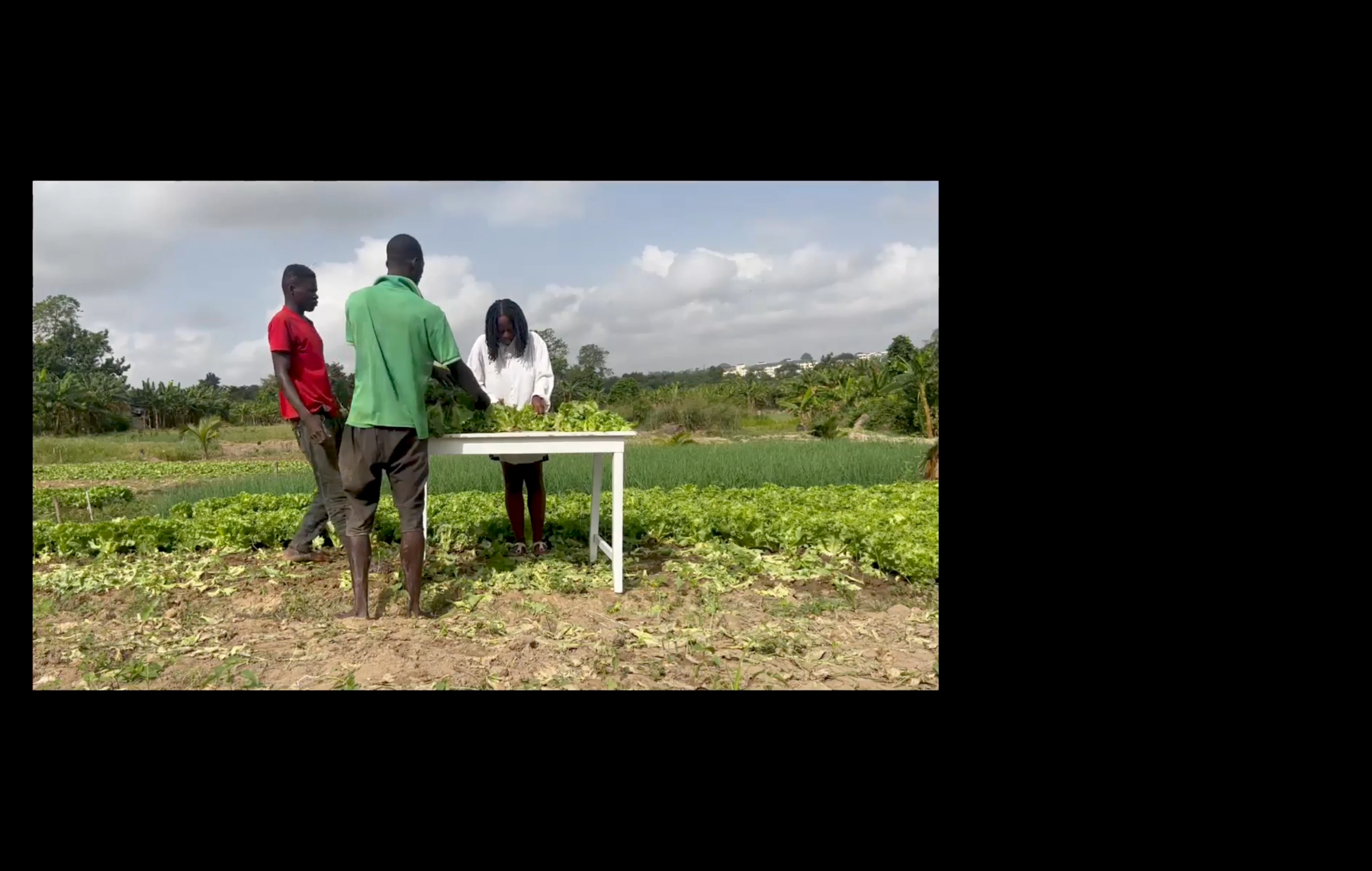
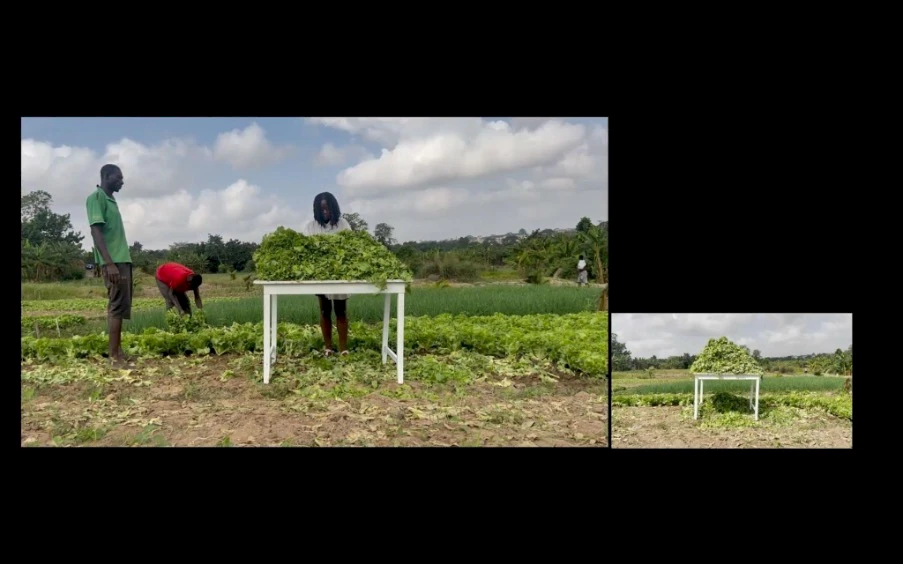
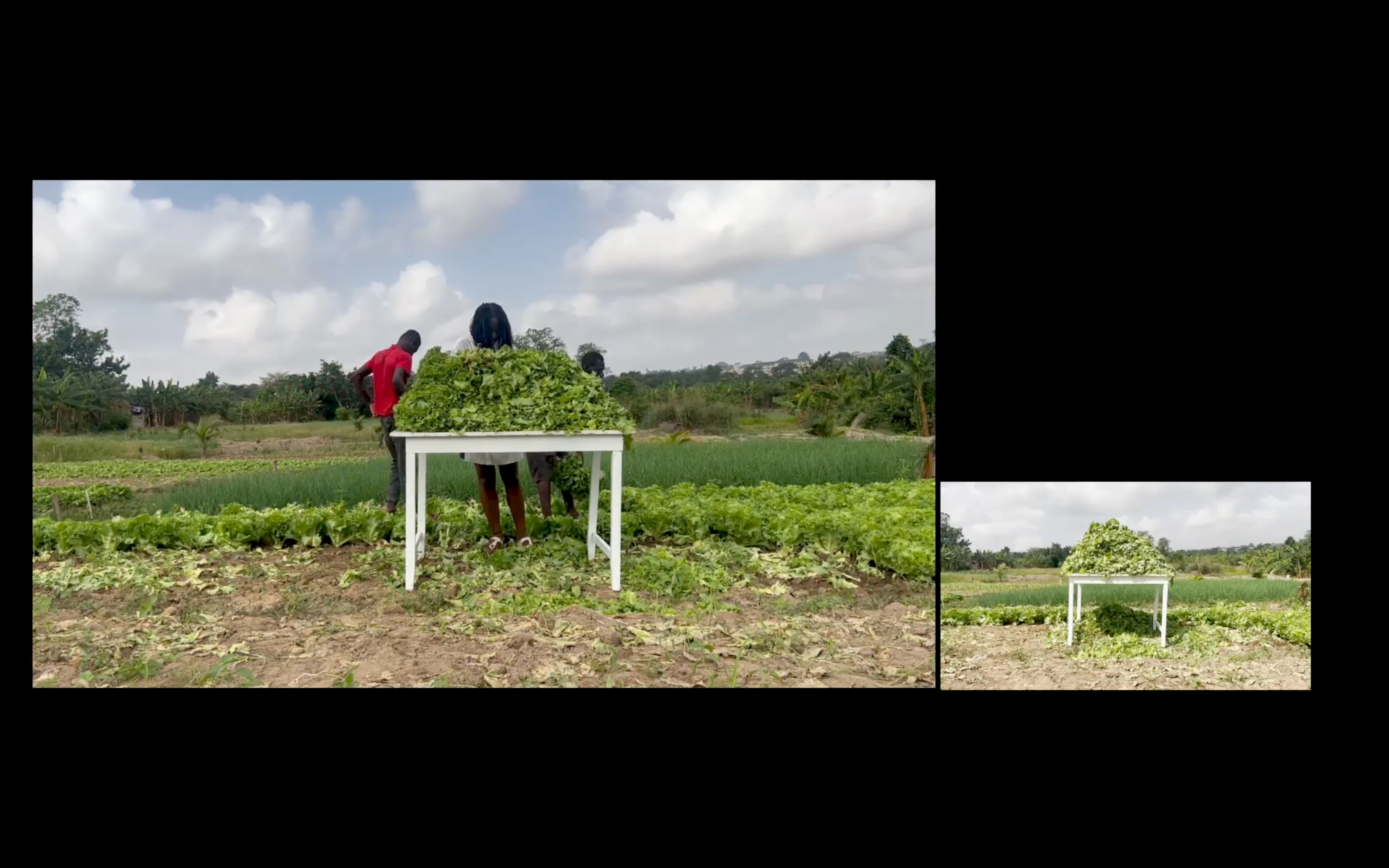
NM: In the work you produced, we see farmers picking lettuce that you then chop on a table. I read the work as an ecological movement between 'bodies’ or materials, those being yourself and the lettuce. Can you describe your approach to the site and the process of conceptualising the performance?
KGK: At first, the farms that are present at KNUST were an aesthetic frame. But my working at one was not a question of using the farm as a site but rather of the farm itself becoming the work. It would have been naive to think of the work as just me chopping lettuce – the important thing to remember is that bodies always form discursive sites. I think of the stages in the choreography of uprooting, chopping, etc., as different forms of relation to objects or bodies. Every stage in this choreography changes the approach to the lettuce. From being planted at the farm to being uprooted, chopped then discarded, these various stages offer ways to direct attention towards the relations between the lettuce, me and the performative moment. This is a way to think performativity not as something that takes place over a period of time but as an event in a single moment, always staged by different, human and other-than-human entities, not in order to be acknowledged but as a political stance.
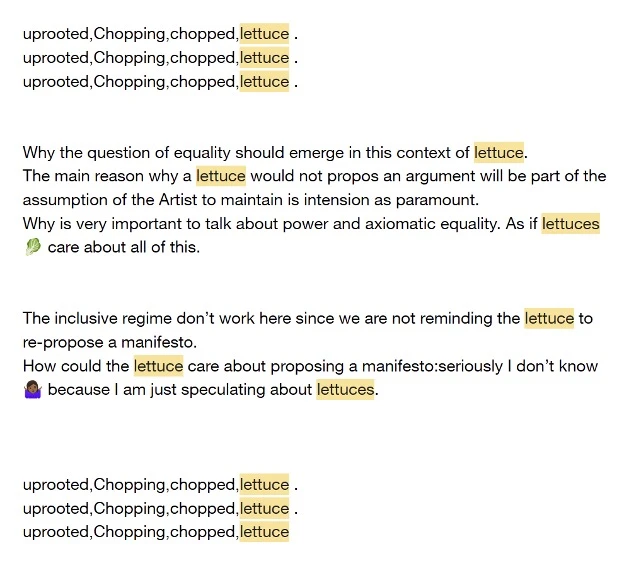
Kasangati Godelive Kabena, Made 10 performance score, 2023
NM: What role does collaboration – with other artists, institutions, or even non-human entities – play in your practice?
KGK: A few weeks ago, I was saying that I think working with different institutions, artists, entities and so on is a mess! Everything is so entangled that collaboration does not necessarily mean working together, but also responding to what is denied or not recognised in the working process. The Made series questions collaboration as a possibility or aim, we could say, suggesting that collaboration will fail because the self-referential nature of different entities constantly undermines it. Made 10 creates a space where the positioning of bodies always imposes a certain type of event, which appears not only as a presence, but sometimes as a projected proposition, capable of being staged in a choreographic and rhythmic manner. This stage becomes a reference to this event, and not the event itself.
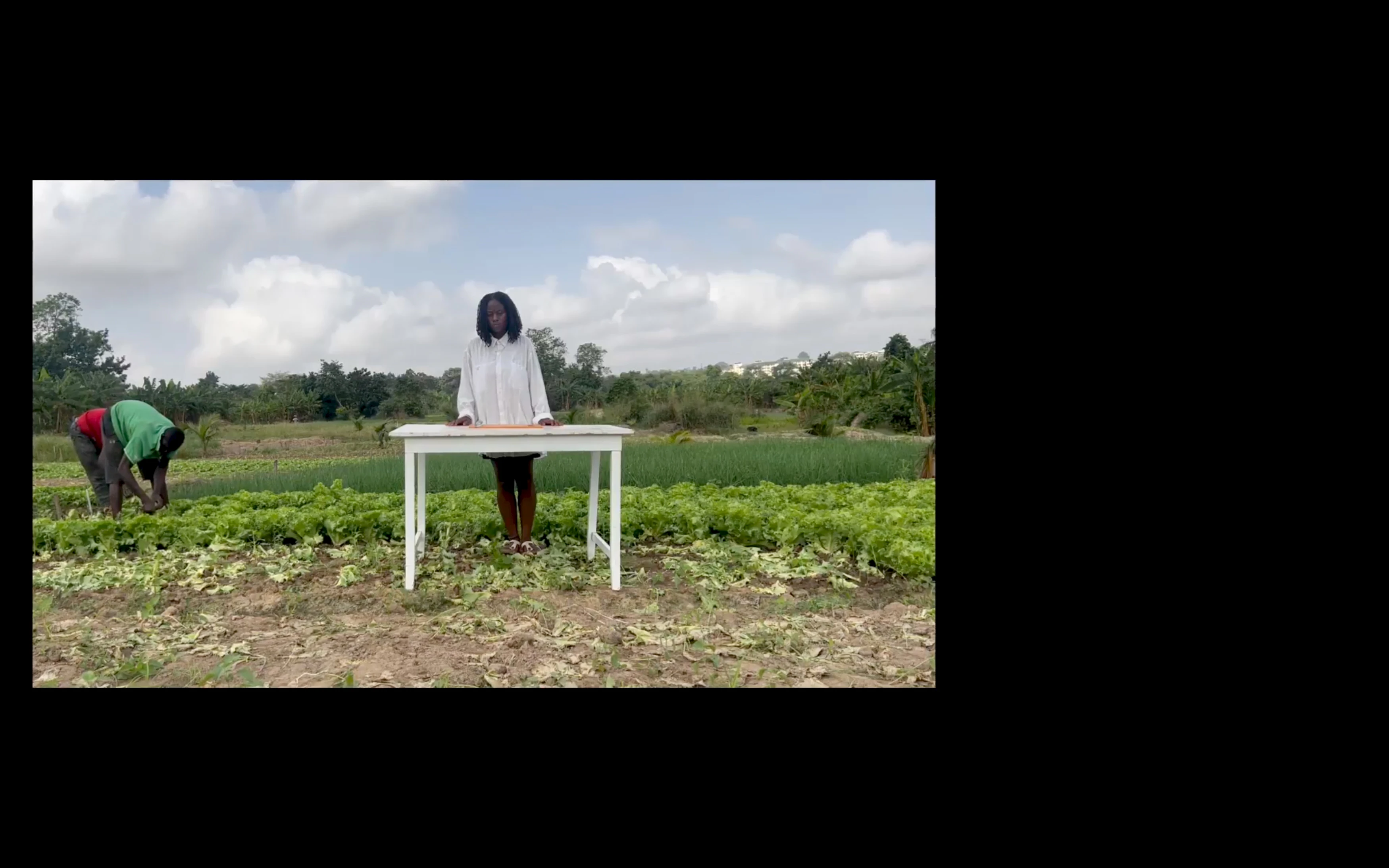
Kasangati Godelive Kabena, Made 10 (film stills), 24 November 2023, duration: 1 hour 30 min. Shot on location at KNUST, Kumasi, Ghana. Contributors Aduku Thimathy, Awintoo Samuel.
NM: Your practice seems to open alternative timelines, moving between what happened, what might have happened, and what could still happen. How do you think about ecological time in relation to this work?
KGK: What is interesting about ecology is that it holds a form of interobjectivity, refusing to acknowledge time.3 Here, the event becomes more relevant than time passing, because situations cannot be relegated to the discursive arena as time-lapses, but rather exist as singular propositions that cannot be grasped and framed. These unseen possibilities that cannot be experienced are what interests me.
NM: What are you currently working on or thinking through?
KGK: I am working on a project that explores reproduction as a process, and how it can be manufactured, through archival images of the Basenji dog from the DRC (Democratic Republic of Congo).
Related contributions and publications
-
Klei eten is geen eetstoornis
Zayaan KhanEN nl frLand RelationsClimatePast in the Present -
Cultivating Abundance
Åsa SonjasdotterLand RelationsClimatePast in the Present -
Climate Forum I – Readings
Nkule MabasoEN esLand RelationsClimateHDK-Valand -
Decolonial aesthesis: weaving each other
Charles Esche, Rolando Vázquez, Teresa Cos RebolloLand RelationsClimate -
…and the Earth along. Tales about the making, remaking and unmaking of the world.
Martin PogačarLand RelationsClimatePast in the Present -
Art for Radical Ecologies Manifesto
Institute of Radical ImaginationLand RelationsClimateInstitute of Radical Imagination -
Ecologising Museums
Land Relations -
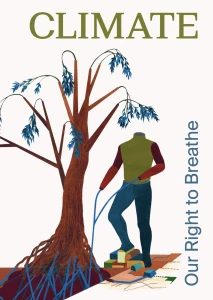
Climate: Our Right to Breathe
Land RelationsClimate
Related activities
-
HDK-Valand
Climate Forum I
The Climate Forum is a space of dialogue and exchange with respect to the concrete operational practices being implemented within the art field in response to climate change and ecological degradation. This is the first in a series of meetings hosted by HDK-Valand within L'Internationale's Museum of the Commons programme.
-
–Van Abbemuseum
The Soils Project
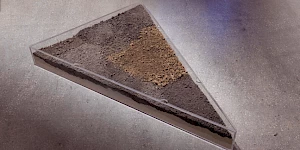
‘The Soils Project’ is part of an eponymous, long-term research initiative involving TarraWarra Museum of Art (Wurundjeri Country, Australia), the Van Abbemuseum (Eindhoven, Netherlands) and Struggles for Sovereignty, a collective based in Yogyakarta, Indonesia. It works through specific and situated practices that consider soil, as both metaphor and matter.
Seeking and facilitating opportunities to listen to diverse voices and perspectives around notions of caring for land, soil and sovereign territories, the project has been in development since 2018. An international collaboration between three organisations, and several artists, curators, writers and activists, it has manifested in various iterations over several years. The group exhibition ‘Soils’ at the Van Abbemuseum is part of Museum of the Commons. -
–tranzit.ro
Non-Western Technologies for the Good Life
The experimental course ‘Non-Western Technologies for the Good Life’ (November 2023–May 2024) celebrates as its starting point the anniversary of 50 years since the publication of Tools for Conviviality, considering that Ivan Illich’s call is as relevant as ever.
-
–Institute of Radical Imagination
Gathering into the Maelstrom
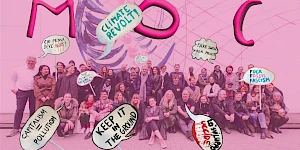
‘Gathering into the Maelstrom’ in Venice at Sale Docks is a four-day programme curated by Institute of Radical Imagination (IRI) and Sale Docks.
-
–Institute of Radical Imagination
Gathering into the Maelstrom (exhibition)
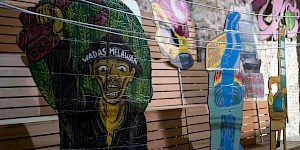
‘Gathering into the Maelstrom’ is curated by Institute of Radical Imagination and Sale Docks within the framework of Museum of the Commons.
-
HDK-Valand
Climate Forum II
The Climate Forum is a series of online meetings hosted by HDK-Valand within L’Internationale’s Museum of the Commons programme. The series builds upon earlier research resulting in the (2022) book Climate: Our Right to Breathe and reaches toward emerging change practices.