The Repressive Tendency within the European Public Sphere
In the first article as part of the strand ‘Towards Collective Study in Times of Emergency’ Ovidiu Tichindeleanu identifies the current repression within European public spheres, its entanglement with imperial histories and stresses the need to struggle for spaces of conversation within culture.1
The official term used by the United Nations to name the political condition of the Palestinian territories is ‘occupied’.2 The terms used in Amnesty International’s 2022 report to characterize the political condition of the Palestinians in the occupied Palestinian territories is ‘Apartheid against Palestinians’.3 The term is contested by supporters of Israel,4 and corresponds to the way in which the Palestinians themselves have named their political condition.5 The United Nations Economic and Social Commission for Western Asia (ESCWA) report from 2017 pointed to the transition from the ‘risk of apartheid’ to ‘practices of apartheid’ in Palestine.6 In March 2022, after a conjugated analysis by Palestinian, Israeli, and international human rights organizations, the UN Special Rapporteur also named the political condition of Palestinians ‘apartheid’, citing the ‘deeply discriminatory dual legal and political system’.7
These are not ‘fighting words’8 but terms used in the highest bodies defending human rights in the field of international relations. In turn, apartheid and occupied territories are referring to a particular mode of exerting power by way of racial domination and colonial occupation. This way of exerting power is not the appanage of one nation but has recognizable and direct roots in the European history of colonialism and imperial aggressions. In the nineteenth century, politicians and activists from the British Empire created the colonial illusion of an empty land of Palestine, calling it ‘a country without nation’.9 In the dark days between the World Wars the European imperial powers opted not to name the Palestinians or worse, talked about ‘the dog in a manger’,10 and even explicitly stated that they were ‘not going through the form of consulting’,11 the result being that Palestinians were excluded from talks regarding the future of the territories on which they lived. All modern colonial occupations have had a dimension of racial domination and have produced doctrines of superiority or supremacy that have proved even more persistent than the actual appropriation of land resulting from colonial occupations. The persistence of this mode of exerting power points to specific choices of governance, and through them to the persistence of the logic of colonialism not only in Palestine but in the common space of international relations in which we all operate. Dehumanization and violence exerted against entire peoples or communities is a world problem, not a local problem.
The situation in Palestine and Israel entered a deadly next phase as a consequence of Hamas’s terror attack and of the choice of Israel’s government to respond by way of the politics of revenge, with a military campaign of aerial bombing and ground invasion in Gaza. Both military operations inflicted de facto collective punishment, in a grotesque escalation of disproportionate violence. The resulting mass death of civilians in Gaza has been named genocide and a humanitarian tragedy.12 The public sphere in Israel was cut by strident statements that have openly dehumanized the Palestinians (‘human animals’),13 and with it extremist calls that openly promised atrocities in the name of ancestral spiritualities (a biblical response).14 It appears self-evident that there is continuity between the use of dehumanizing insults in the public sphere and the action of killing humans. Raz Segal, an expert scholar in genocide studies, has argued that the extremist drive to dehumanize and to inflict genocidal violence is a distinct phenomenon stemming from a radicalized doctrine of supremacy.15
In their reaction to the aggravation of the situation, mainstream political institutions and the mass media in Europe have, for the most part, opted to avoid all these loaded terms, as well as the issue of the radicalization of extremism, and to restrict language in reports and statements. Instead they have primarily stressed Israel’s right of self-defence and the terror of Hamas. In this regard, the words of the European Council,16 and of the President of the EU Commission,17 stand in stark contrast to statements from the BRICS (Brazil, Russia, India, China, and South Africa).18 Neither the critical terms from the language of international relations, such as occupied territories or apartheid, nor the issue of an expanding political extremism have come to the fore in most political statements and media reports. Such a reduction of the context narrows the possibilities of finding common ground, and by being cautious today makes tomorrow more dangerous. Moreover, by implicitly accepting extremism, it is brought closer, normalizing it at the centre of the political sphere. Such acceptance of extremism will only abet the return or rise of antisemitism and islamophobia.
As a result, the current state of the European political and public spheres is plagued by a distinct tendency to restrict freedom of expression, rather than creating meaningful dialogues across different positions. At the same time these spheres are becoming increasingly isolated within global debates.19 The violence of meaning produced by the tendency to restrict language has been generalized in practices of interpellation, censorship and self-censorship throughout Europe, to such an extent that even the call for a ceasefire on humanitarian grounds has fallen subject to this restriction, which is in itself egregious. The normalization of extremism within the political centre ground (not only at the far-right margins) and the acceptance of militarism reminds one of Simone Weil’s warning articles from the early 1930s,20 when she observed in Berlin the narrow vision of politicians, and reflected that the modern state has a tendency to develop the apparatus of repression. Accompanying such repressive tendencies, the global role of Europe is being questioned. It is unable to adopt a meaningful position, signalling either a tacit acceptance of the humanitarian catastrophe or willingly siding with colonial domination. This is a step backwards in efforts to face the colonial past and define a positive role for Europe internationally.
Very different positionalities are now confronted with the fact that, in the dark light of recent years – by way of war and diplomatic failures – the international space is inflected by coloniality and imperial violence that is exerted from multiple directions.
The cultural sector, which should, by definition, be the domain where the wealth of all humanity is defended, alongside freedom of expression and creativity, is now under immense pressure from the highest points in political and public spheres. The firing of David Velasco,21 the Artforum editor following the publication of a statement of solidarity signed by thousands of art workers, the cancellation of an award ceremony to honour the work of Palestinian author Adania Shibil for her 2001 novel Minor Detail,22 at the Frankfurt Book Fair, before having a chance to speak, and the forced collapse of the documenta 16 finding committee before even making a selection are only some of the most visible effects of this tendency.23 In a sector already plagued by the predominant condition of precarious work, the atmosphere of threats to one’s livelihood amounts to the rise of systemic censorship.
It is necessary to struggle for a different condition and orientation. For that to be possible, it is necessary to name the problem of repressive tendencies within the European public sphere. It is necessary to name the problem of the persistence of coloniality in international relations, and to point to the rise and normalization of extremism and militarism within the political centre ground. It seems to me, that it is only common sense to manifest solidarity against silencing, to struggle for spaces of conversation across differences, and to ask for a lasting ceasefire and for a distinct type of humanitarian aid linked to positive peace and reconstruction, and not simply as an afterthought to war and destruction. When wars and conflicts are spreading beyond the frontline creating societal polarizations, it is only common sense, nothing more, to hold the spaces that defend freedom against hierarchical divisions, colonial occupations, and imperial violence. And to advocate for a turn towards the politics of non-violence and compassion, and for the right to work in an international horizon free of dehumanization.
War is a fake simplifier. It simplifies only in the mode of destruction, which it then generalizes. The cultural sector can only survive if it breaks from this death drive.
Related activities
-
–Van Abbemuseum
The Soils Project
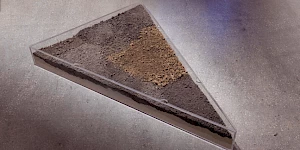
‘The Soils Project’ is part of an eponymous, long-term research initiative involving TarraWarra Museum of Art (Wurundjeri Country, Australia), the Van Abbemuseum (Eindhoven, Netherlands) and Struggles for Sovereignty, a collective based in Yogyakarta, Indonesia. It works through specific and situated practices that consider soil, as both metaphor and matter.
Seeking and facilitating opportunities to listen to diverse voices and perspectives around notions of caring for land, soil and sovereign territories, the project has been in development since 2018. An international collaboration between three organisations, and several artists, curators, writers and activists, it has manifested in various iterations over several years. The group exhibition ‘Soils’ at the Van Abbemuseum is part of Museum of the Commons. -
–VCRC
Kyiv Biennial 2023
L’Internationale Confederation is a proud partner of this year’s edition of Kyiv Biennial.
-
–MACBA
Where are the Oases?
PEI OBERT seminar
with Kader Attia, Elvira Dyangani Ose, Max Jorge Hinderer Cruz, Emily Jacir, Achille Mbembe, Sarah Nuttall and Françoise VergèsAn oasis is the potential for life in an adverse environment.
-
MACBA
Anti-imperialism in the 20th century and anti-imperialism today: similarities and differences
PEI OBERT seminar
Lecture by Ramón GrosfoguelIn 1956, countries that were fighting colonialism by freeing themselves from both capitalism and communism dreamed of a third path, one that did not align with or bend to the politics dictated by Washington or Moscow. They held their first conference in Bandung, Indonesia.
-
–Van Abbemuseum
Maria Lugones Decolonial Summer School
Recalling Earth: Decoloniality and Demodernity
Course Directors: Prof. Walter Mignolo & Dr. Rolando VázquezRecalling Earth and learning worlds and worlds-making will be the topic of chapter 14th of the María Lugones Summer School that will take place at the Van Abbemuseum in Eindhoven.
-
–MSN Warsaw
Archive of the Conceptual Art of Odesa in the 1980s
The research project turns to the beginning of 1980s, when conceptual art circle emerged in Odesa, Ukraine. Artists worked independently and in collaborations creating the first examples of performances, paradoxical objects and drawings.
-
–Moderna galerijaZRC SAZU
Summer School: Our Many Easts
Our Many Easts summer school is organised by Moderna galerija in Ljubljana in partnership with ZRC SAZU (the Research Centre of the Slovenian Academy of Sciences and Arts) as part of the L’Internationale project Museum of the Commons.
-
–Moderna galerijaZRC SAZU
Open Call – Summer School: Our Many Easts
Our Many Easts summer school takes place in Ljubljana 24–30 August and the application deadline is 15 March. Courses will be held in English and cover topics such as the legacy of the Eastern European avant-gardes, archives as tools of emancipation, the new “non-aligned” networks, art in times of conflict and war, ecology and the environment.
-
–MACBA
Song for Many Movements: Scenes of Collective Creation
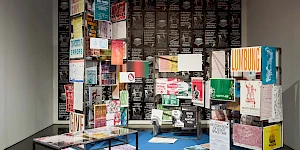
An ephemeral experiment in which the ground floor of MACBA becomes a stage for encounters, conversations and shared listening.
-
Museo Reina Sofia
Palestine Is Everywhere
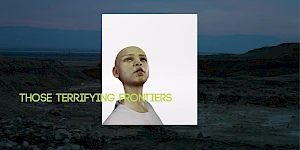
‘Palestine Is Everywhere’ is an encounter and screening at Museo Reina Sofía organised together with Cinema as Assembly as part of Museum of the Commons. The conference starts at 18:30 pm (CET) and will also be streamed on the online platform linked below.
-
HDK-Valand
Book Launch: Collective Study in Times of Emergency, Gothenburg
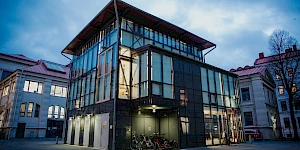
with Nick Aikens (L'Internationale Online / HDK-Valand) and Mills Dray (HDK-Valand), 17h00, Glashuset
-
Moderna galerija
Book Launch: Collective Study in Times of Emergency, Ljubljana
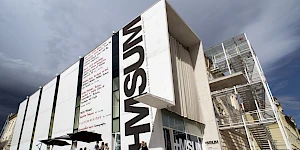
with Nick Aikens (L'Internationale Online / HDK-Valand), Bojana Piškur (MG+MSUM) and Martin Pogačar (ZRC SAZU)
-
WIELS
Book Launch: Collective Study in Times of Emergency, Brussels
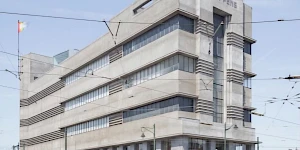
with Nick Aikens (L'Internationale Online / HDK-Valand), Subversive Film and Alex Reynolds, 19h00, Wiels Auditorium
-
–
Kyiv Biennial 2025
L’Internationale Confederation is proud to co-organise this years’ edition of the Kyiv Biennial.
-
–MACBA
Project a Black Planet: The Art and Culture of Panafrica
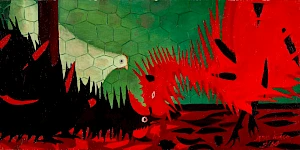
Curated by MACBA director Elvira Dyangani Ose, along with Antawan Byrd, Adom Getachew and Matthew S. Witkovsky, Project a Black Planet: The Art and Culture of Panafrica is the first major international exhibition to examine the cultural manifestations of Pan-Africanism from the 1920s to the present.
-
–M HKA
The Geopolitics of Infrastructure
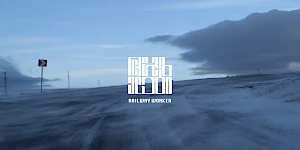
The exhibition The Geopolitics of Infrastructure presents the work of a generation of artists bringing contemporary perspectives on the particular topicality of infrastructure in a transnational, geopolitical context.
-
–MACBAMuseo Reina Sofia
School of Common Knowledge 2025
The second iteration of the School of Common Knowledge will bring together international participants, faculty from the confederation and situated organizations in Barcelona and Madrid.
-
NCAD
Book Launch: Collective Study in Times of Emergency, Dublin
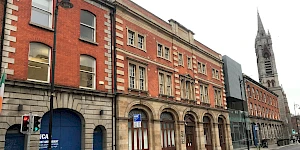
with Nick Aikens (L'Internationale Online / HDK-Valand) and members of the L'Internationale Online editorial board: Maria Berríos, Sheena Barrett, Sara Buraya Boned, Charles Esche, Sofia Dati, Sabel Gavaldon, Jasna Jaksic, Cathryn Klasto, Magda Lipska, Declan Long, Francisco Mateo Martínez Cabeza de Vaca, Bojana Piškur, Tove Posselt, Anne-Claire Schmitz, Ezgi Yurteri, Martin Pogacar, and Ovidiu Tichindeleanu, 18h00, Harry Clark Lecture Theatre, NCAD
-
–
Collective Study in Times of Emergency, Amsterdam
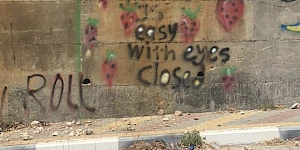
Within the context of ‘Every Act of Struggle’, the research project and exhibition at de appel in Amsterdam, L’Internationale Online has been invited to propose a programme of collective study.
-
Museo Reina Sofia
Poetry readings: Culture for Peace – Art and Poetry in Solidarity with Palestine
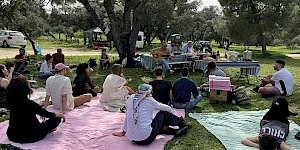
Casa de Campo, Madrid
-
WIELS
Collective Study in Times of Emergency, Brussels. Rana Issa and Shayma Nader
Join us at WIELS for an evening of fiction and poetry as part of L'Internationale Online's 'Collective Study in Times of Emergency' publishing series and public programmes. The series was launched in November 2023 in the wake of the onset of the genocide in Palestine and as a means to process its implications for the cultural sphere beyond the singular statement or utterance.
-
–Museo Reina Sofia
Study Group: Aesthetics of Peace and Desertion Tactics
In a present marked by rearmament, war, genocide, and the collapse of the social contract, this study group aims to equip itself with tools to, on one hand, map genealogies and aesthetics of peace – within and beyond the Spanish context – and, on the other, analyze strategies of pacification that have served to neutralize the critical power of peace struggles.
-
–MSN Warsaw
Near East, Far West. Kyiv Biennial 2025
The main exhibition of the 6th Kyiv Biennial 2025, titled Near East, Far West, is organized by a consortium of curators from L’Internationale. It features seven new artists’ commissions, alongside works from the collections of member institutions of L’Internationale and a number of other loans.
-
MACBA
PEI Obert: The Brighter Nations in Solidarity: Even in the Midst of a Genocide, a New World Is Being Born
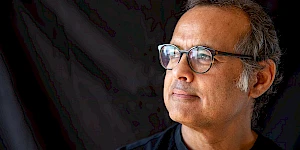
PEI Obert presents a lecture by Vijay Prashad. The Colonial West is in decay, losing its economic grip on the world and its control over our minds. The birth of a new world is neither clear nor easy. This talk envisions that horizon, forged through the solidarity of past and present anticolonial struggles, and heralds its inevitable arrival.
-
–M HKA
Homelands and Hinterlands. Kyiv Biennial 2025
Following the trans-national format of the 2023 edition, the Kyiv Biennial 2025 will again take place in multiple locations across Europe. Museum of Contemporary Art Antwerp (M HKA) presents a stand-alone exhibition that acts also as an extension of the main biennial exhibition held at the newly-opened Museum of Modern Art in Warsaw (MSN).
In reckoning with the injustices and atrocities committed by the imperialisms of today, Kyiv Biennial 2025 reflects with historical consciousness on failed solidarities and internationalisms. It does this across an axis that the curators describe as Middle-East-Europe, a term encompassing Central Eastern Europe, the former-Soviet East and the Middle East.
-
HDK-Valand
MA Forum in collaboration with LIO: Nour Shantout
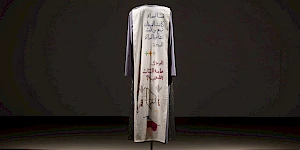
In this artist talk, Nour Shantout will present Searching for the New Dress, an ongoing artistic research project that looks at Palestinian embroidery in Shatila, a Palestinian refugee camp in Lebanon. Welcome!
-
MACBA
PEI Obert: Bodies of Evidence. A lecture by Ido Nahari and Adam Broomberg
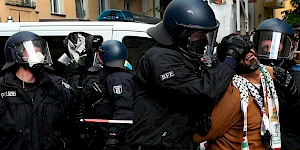
In the second day of Open PEI, writer and researcher Ido Nahari and artist, activist and educator Adam Broomberg bring us Bodies of Evidence, a lecture that analyses the circulation and functioning of violent images of past and present genocides. The debate revolves around the new fundamentalist grammar created for this documentation.
-
–
Everything for Everybody. Kyiv Biennial 2025
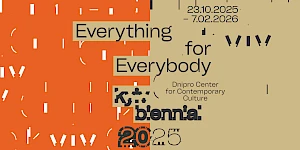
As one of five exhibitions comprising the 6th Kyiv Biennial 2025, ‘Everything for Everybody’ takes place in the Ukraine, at the Dnipro Center for Contemporary Culture.
-
–
In a Grandiose Sundance, in a Cosmic Clatter of Torture. Kyiv Biennial 2025
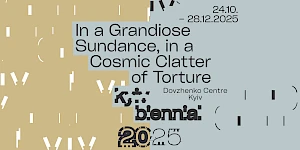
As one of five exhibitions comprising the 6th Kyiv Biennial 2025, ‘In a Grandiose Sundance, in a Cosmic Clatter of Torture’ takes place at the Dovzhenko Centre in Kyiv.
-
MACBA
School of Common Knowledge: Fred Moten
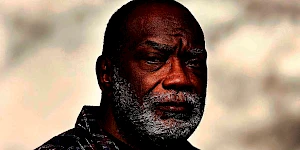
Fred Moten gives the lecture Some Prœposicions (On, To, For, Against, Towards, Around, Above, Below, Before, Beyond): the Work of Art. As part of the Project a Black Planet exhibition, MACBA presents this lecture on artworks and art institutions in relation to the challenge of blackness in the present day.
-
–MACBA
Visions of Panafrica. Film programme
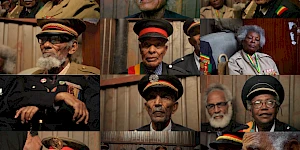
Visions of Panafrica is a film series that builds on the themes explored in the exhibition Project a Black Planet: The Art and Culture of Panafrica, bringing them to life through the medium of film. A cinema without a geographical centre that reaffirms the cultural and political relevance of Pan-Africanism.
-
MACBA
Farah Saleh. Balfour Reparations (2025–2045)
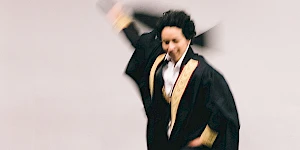
As part of the Project a Black Planet exhibition, MACBA is co-organising Balfour Reparations (2025–2045), a piece by Palestinian choreographer Farah Saleh included in Hacer Historia(s) VI (Making History(ies) VI), in collaboration with La Poderosa. This performance draws on archives, memories and future imaginaries in order to rethink the British colonial legacy in Palestine, raising questions about reparation, justice and historical responsibility.
-
MACBA
Project a Black Planet: The Art and Culture of Panafrica OPENING EVENT
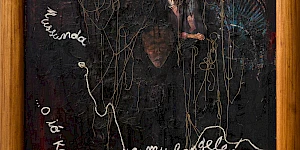
A conversation between Antawan I. Byrd, Adom Getachew, Matthew S. Witkovsky and Elvira Dyangani Ose. To mark the opening of Project a Black Planet: The Art and Culture of Panafrica, the curatorial team will delve into the exhibition’s main themes with the aim of exploring some of its most relevant aspects and sharing their research processes with the public.
-
MACBA
Palestine Cinema Days 2025: Al-makhdu’un (1972)
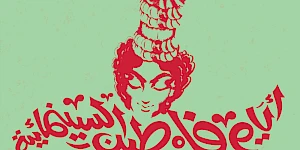
Since 2023, MACBA has been part of an international initiative in solidarity with the Palestine Cinema Days film festival, which cannot be held in Ramallah due to the ongoing genocide in Palestinian territory. During the first days of November, organizations from around the world have agreed to coordinate free screenings of a selection of films from the festival. MACBA will be screening the film Al-makhdu’un (The Dupes) from 1972.
-
Museo Reina Sofia
Cinema Commons #1: On the Art of Occupying Spaces and Curating Film Programmes
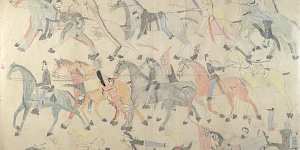
On the Art of Occupying Spaces and Curating Film Programmes is a Museo Reina Sofía film programme overseen by Miriam Martín and Ana Useros, and the first within the project The Cinema and Sound Commons. The activity includes a lecture and two films screened twice in two different sessions: John Ford’s Fort Apache (1948) and John Gianvito’s The Mad Songs of Fernanda Hussein (2001).
-
–
Vertical Horizon. Kyiv Biennial 2025
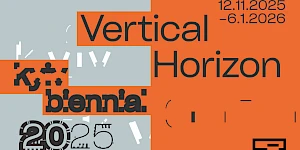
As one of five exhibitions comprising the 6th Kyiv Biennial 2025, ‘Vertical Horizon’ takes place at the Lentos Kunstmuseum in Linz, at the initiative of tranzit.at.
-
–
International Day of Solidarity with the Palestinian People: Activities
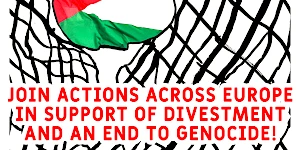
To mark International Day of Solidarity with the Palestinian People and in conjunction with our collective text, we, the cultural workers of L'Internationale have compiled a list of programmes, actions and marches taking place accross Europe. Below you will find programmes organized by partner institutions as well as activities initaited by unions and grass roots organisations which we will be joining.
This is a live document and will be updated regularly.
-
–SALT
Screening: A Bunch of Questions with No Answers
This screening is part of a series of programs and actions taking place across L’Internationale partners to mark International Day of Solidarity with the Palestinian People.
A Bunch of Questions with No Answers (2025)
Alex Reynolds, Robert Ochshorn
23 hours 10 minutes
English; Turkish subtitles -
HDK-Valand
MA Forum in collaboration with LIO: Adam Broomberg
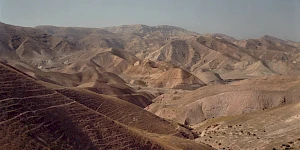
In this MA Forum we welcome artist Adam Broomberg. In his lecture he will focus on two photographic projects made in Israel/Palestine twenty years apart. Both projects use the medium of photography to communicate the weaponization of nature.
-
MACBA
PEI Obert: Until Liberation: A Collective Reading and Listening Session by Learning Palestine
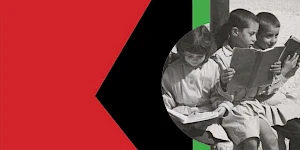
PEI Obert presents a collective session with Learning Palestine. At this historical juncture – amid the ongoing genocide in Gaza and the censorship and repression of all things Palestinian – Learning Palestine invites us to gather not only in refusal but also in affirmation.
Related contributions and publications
-
…and the Earth along. Tales about the making, remaking and unmaking of the world.
Martin PogačarLand RelationsClimatePast in the Present -
The Kitchen, an Introduction to Subversive Film with Nick Aikens, Reem Shilleh and Mohanad Yaqubi
Nick Aikens, Subversive FilmSonic and Cinema CommonslumbungPast in the PresentVan Abbemuseum -
The Repressive Tendency within the European Public Sphere
Ovidiu ŢichindeleanuInternationalismsPast in the Present -
Rewinding Internationalism
InternationalismsVan Abbemuseum -
Troubles with the East(s)
Bojana PiškurInternationalismsPast in the Present -
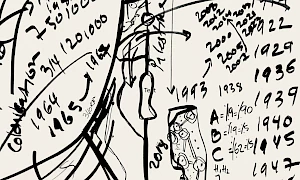
Right now, today, we must say that Palestine is the centre of the world
Françoise VergèsInternationalismsPast in the Present -
Body Counts, Balancing Acts and the Performativity of Statements
Mick WilsonInternationalismsPast in the Present -
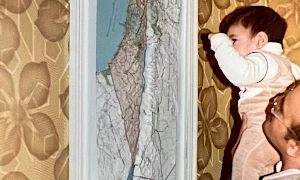
Until Liberation I
Learning Palestine GroupInternationalismsPast in the Present -
Until Liberation II
Learning Palestine GroupInternationalismsPast in the Present -
The Veil of Peace
Ovidiu ŢichindeleanuPast in the Presenttranzit.ro -
Editorial: Towards Collective Study in Times of Emergency
L’Internationale Online Editorial BoardEN es sl tr arInternationalismsStatements and editorialsPast in the Present -
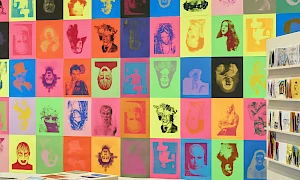
Opening Performance: Song for Many Movements, live on Radio Alhara
Jokkoo with/con Miramizu, Rasheed Jalloul & Sabine SalaméEN esInternationalismsSonic and Cinema CommonsPast in the PresentMACBA -
Siempre hemos estado aquí. Les poetas palestines contestan
Rana IssaEN es tr arInternationalismsPast in the Present -
Indra's Web
Vandana SinghLand RelationsPast in the PresentClimate -
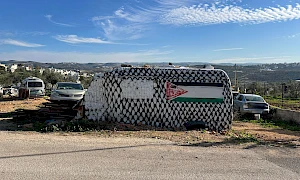
Diary of a Crossing
Baqiya and Yu’adInternationalismsPast in the Present -
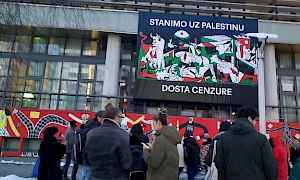
The Silence Has Been Unfolding For Too Long
The Free Palestine Initiative CroatiaInternationalismsPast in the PresentSituated OrganizationsInstitute of Radical ImaginationMSU Zagreb -
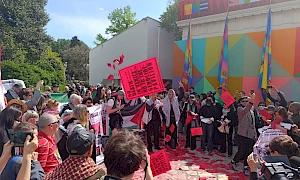
En dag kommer friheten att finnas
Françoise Vergès, Maddalena FragnitoEN svInternationalismsLand RelationsClimateInstitute of Radical Imagination -
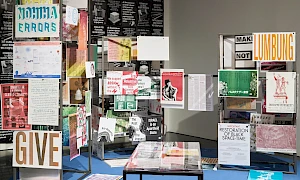
Everything will stay the same if we don’t speak up
L’Internationale ConfederationEN caInternationalismsStatements and editorials -
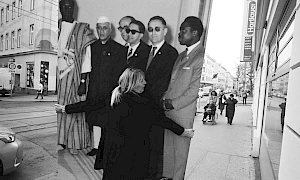
War, Peace and Image Politics: Part 1, Who Has a Right to These Images?
Jelena VesićInternationalismsPast in the PresentZRC SAZU -
Live set: Una carta de amor a la intifada global
PrecolumbianEN esInternationalismsSonic and Cinema CommonsPast in the PresentMACBA -
Cultivating Abundance
Åsa SonjasdotterLand RelationsClimatePast in the Present -
Rethinking Comradeship from a Feminist Position
Leonida KovačSchoolsInternationalismsSituated OrganizationsMSU ZagrebModerna galerijaZRC SAZU -
Reading list - Summer School: Our Many Easts
Summer School - Our Many EastsSchoolsPast in the PresentModerna galerija -
The Genocide War on Gaza: Palestinian Culture and the Existential Struggle
Rana AnaniInternationalismsPast in the Present -
Klei eten is geen eetstoornis
Zayaan KhanEN nl frLand RelationsClimatePast in the Present -
Dispatch: ‘I don't believe in revolution, but sometimes I get in the spirit.’
Megan HoetgerSchoolsPast in the Present -
Dispatch: Notes on (de)growth from the fragments of Yugoslavia's former alliances
Ava ZevopSchoolsPast in the Present -
Glöm ”aldrig mer”, det är alltid redan krig
Martin PogačarEN svLand RelationsPast in the Present -
Broadcast: Towards Collective Study in Times of Emergency (for 24 hrs/Palestine)
L’Internationale Online Editorial Board, Rana Issa, L’Internationale Confederation, Vijay PrashadInternationalismsSonic and Cinema Commons -
Beyond Distorted Realities: Palestine, Magical Realism and Climate Fiction
Sanabel Abdel RahmanEN trInternationalismsPast in the PresentClimate -
Collective Study in Times of Emergency. A Roundtable
Nick Aikens, Sara Buraya Boned, Charles Esche, Martin Pogačar, Ovidiu Ţichindeleanu, Ezgi YurteriInternationalismsPast in the PresentSituated Organizations -
Present Present Present. On grounding the Mediateca and Sonotera spaces in Malafo, Guinea-Bissau
Filipa CésarSonic and Cinema CommonsPast in the Present -
Collective Study in Times of Emergency
InternationalismsPast in the Present -
S come Silenzio
Maddalena FragnitoEN itInternationalismsSituated Organizations -
ميلاد الحلم واستمراره
Sanaa SalamehEN hr arInternationalismsPast in the Present -
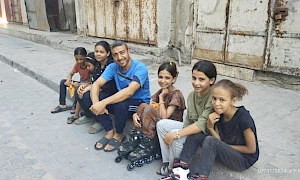
عن المكتبة والمقتلة: شهادة روائي على تدمير المكتبات في قطاع غزة
Yousri al-GhoulEN arInternationalismsPast in the Present -
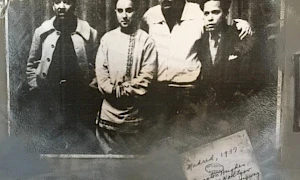
Archivos negros: Episodio I. Internacionalismo radical y panafricanismo en el marco de la guerra civil española
Tania Safura AdamEN esInternationalismsPast in the Present -
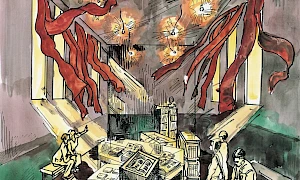
Re-installing (Academic) Institutions: The Kabakovs’ Indirectness and Adjacency
Christa-Maria Lerm HayesInternationalismsPast in the Present -
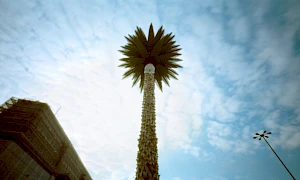
Palma daktylowa przeciw redeportacji przypowieści, czyli europejski pomnik Palestyny
Robert Yerachmiel SnidermanEN plInternationalismsPast in the PresentMSN Warsaw -
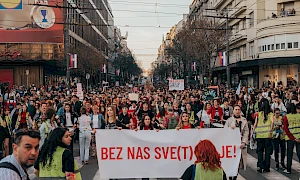
Masovni studentski protesti u Srbiji: Mogućnost drugačijih društvenih odnosa
Marijana Cvetković, Vida KneževićEN rsInternationalismsPast in the Present -
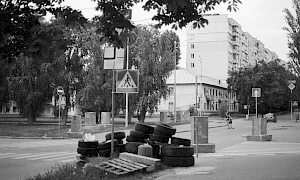
No Doubt It Is a Culture War
Oleksiy Radinsky, Joanna ZielińskaInternationalismsPast in the Present -
Cinq pierres. Une suite de contes
Shayma NaderEN nl frInternationalisms -
Dispatch: As Matter Speaks
Yeongseo JeeInternationalismsPast in the Present -
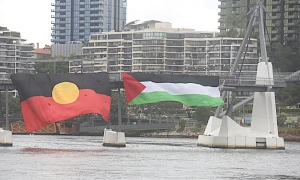
Speaking in Times of Genocide: Censorship, ‘social cohesion’ and the case of Khaled Sabsabi
Alissar SeylaInternationalisms -
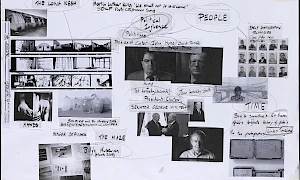
Reading List: Summer School, Landscape (post) Conflict
Summer School - Landscape (post) ConflictSchoolsLand RelationsPast in the PresentIMMANCAD -
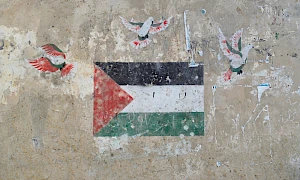
Today, again, we must say that Palestine is the centre of the world
Françoise VergèsInternationalisms -
Isabella Hammad’ın icatları
Hazal ÖzvarışEN trInternationalisms -
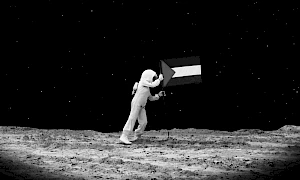
To imagine a century on from the Nakba
Behçet ÇelikEN trInternationalisms -
Internationalisms: Editorial
L'Internationale Online Editorial BoardInternationalisms -
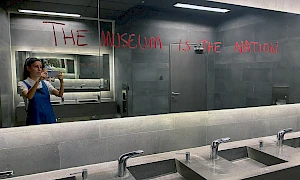
Dispatch: Institutional Critique in the Blurst of Times – On Refusal, Aesthetic Flattening, and the Politics of Looking Away
İrem GünaydınInternationalisms -
Until Liberation III
Learning Palestine GroupInternationalismsPast in the Present -
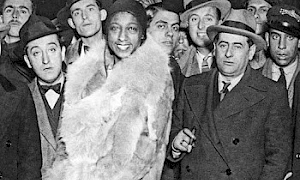
Archivos negros: Episodio II. Jazz sin un cuerpo político negro
Tania Safura AdamEN esInternationalismsPast in the Present -
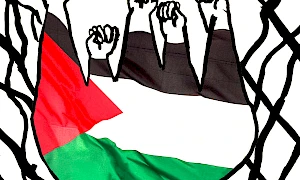
Cultural Workers of L’Internationale mark International Day of Solidarity with the Palestinian People
Cultural Workers of L’InternationaleEN es pl roInternationalismsSituated OrganizationsPast in the PresentStatements and editorials -
Poetry Against Language Dioxide
Rana IssaInternationalisms -
The Object of Value
SlinkoInternationalismsLand Relations