We Have Been Here Forever. Palestinian Poets Write Back
As part of the publishing strand ‘Towards Collective Study in Times of Emergency’ translator and writer Rana Issa compiles and introduces a selection of Palestinian poems. Issa foregrounds poets living and working in Palestine, moving across the contexts of the 1940s and the time of the nakba to the 1970s and those writing in Gaza today.
From the earliest days of their dispossession, Palestinians have recorded their plight in poetry. There is a long tradition for this amongst Arabs who, since long before the birth of Islam, have considered poetry a diwan, a historical record. Unlike historiography, which Arabs are also renowned for, poetry is a mnemonic device that penetrates people’s consciousness, registers and shapes their affective state. Palestinian poets are also Arab poets and they find inspiration in a poetic tradition that is both geographically expansive and far pre-dates the Zionist project. Palestinians write a poetry of resistance, enshrining poetry as both a diwan and a protest against oppression. They learn and memorize poetry as well as produce it. Through poetry, Palestinians cultivate their political imagination and preserve their collective spirit.
The poems I have selected speak to these aspects of Palestinian poetry, directly responding to the ongoing annihilation of Palestinians. The selection is not meant to be an authoritative representation of Palestinian poetry or the vast legacy of writing about Palestine by non-Palestinians. Indeed important voices in the diaspora, and great non-Palestinian radical poets writing about Palestine in Arabic and other languages, are not included here. I instead decided to feature poets who have written from Palestine as a modest gesture of solidarity to historic, and ongoing, land struggles. The exception is the work of Kamal Nasser, who was an exile in Beirut when the Israelis assassinated him in 1973. Through Nasser, I gesture to the need for historical depth when we speak about Palestine. Nasser belongs to the legacy of Palestinian poets targeted through imprisonment and assassination by the colonizers (British as well as Israelis) that goes as far back as Nuh Ibrahim (a poet who was imprisoned several times by the British for his poetry, and who was killed in battle in 1938), but includes famous poets like Mahmud Darwish, Tawfiq Zayyad, Nasser Abou Srour, Dareen Tatour (included here) and many others. Poets, too, sometimes die in battle. Such was the fate of Abdel Rahim Mahmoud who died during the year of the nakba, but other poets also die as civilian casualties, victims of Israeli violence that is particularly committed to striking civilians and civilian infrastructure. During this war we mourned the loss of Gazan poet Heba Abu Nada who was killed in October. I include a poem by Abu Nada that questions the dominant Palestinian idea that poetry is an effective tool of struggle. We also mourn thirteen poets that have died in Gaza since the beginning of this war and acknowledge other poets we have undoubtedly lost but that are not yet accounted for. They were targeted not because they were poets but simply because they were Gazans.
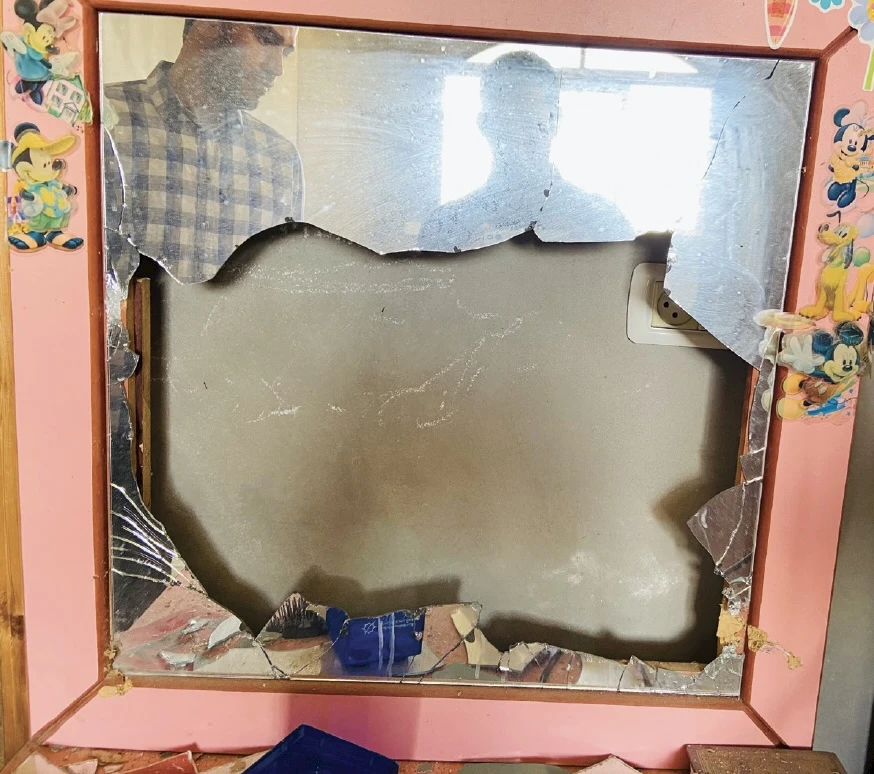
Mosab Abu Toha, Where is the rest of me? Shattered in pieces, February 2024
Heba Abu Nada
Trans: Huda Fakhreddine
I learned about the work of Heba Abu Nada through the excellent translations of my esteemed colleague and poetry scholar, Associate Professor of Arabic Literature, at the University of Pennsylvania, Huda Fakhreddine. Huda embarked on translating several Palestinian poets during this war, and Heba’s work was prominently featured. Heba was an award winning novelist and poet. Her novel, Oxygen is not for the Dead is yet to be translated. Learning about this talented author on the occasion of her murder by an airstrike in Khan Yunis on 20 Oct, 2023 is piercingly painful. She died five days before my daughter’s birthday. Since the genocide began, we did not celebrate any occasion, for the grief is so overwhelming, and the massacre maddeningly ongoing, for any meaningful glimpse of happiness. Woe to us who learn about our poets on the occasion of their death by genocide. How do we recover from such terrible loss? Of the many great poems that Fakhreddine has translated, I decided to include this one to challenge a complacent reader who might be content with protesting genocide through the radical potential of poetry. Poetry is not effective as a tool for resistance in and of itself. Its revolutionary potential derives its energy from the streets and the courage of the oppressed.
Pull Yourself Together
O! How alone we are!
All the others have won their wars
and you were left in your mud,
barren.
Darwish, don’t you know?
No poetry will return to the lonely
what was lost, what was
stolen.
How alone we are!
This is another age of ignorance. Cursed are those
who divided us in war and marched in your funeral
as one.
How alone we are!
This earth is an open market,
and your great countries have been auctioned away,
gone!
How alone we are!
This is an age of insolence,
and no one will stand by our side,
Never.
O! How alone we are!
Wipe away your poems, old and new,
and all these tears. And you, O Palestine,
pull yourself together.
Najwan Darwish
Trans: Kareem Abou Zeid
I am grateful for my more than decade long friendship with Jerusalem poet Najwan Darwish. Najwan was one of a handful of Palestinian artists that I became good friends with once I decided to leave Lebanon and go into exile in Norway. Beyond our continuous bloodshed, one of the main features of being Palestinian has been the prohibition on our movement and our ability to meet and get to know one another. This prohibition affects us at a social, cultural as well as personal levels. As the child of a Palestinian refugee on my mother’s side, I have often been struck by the sense of being orphaned that I grew up with in the absence of Palestinian family members who have been been dispersed, incarcerated, separated, rendered insane, as well as murdered before I was born.
In my exile, the chance to meet other Palestinians became invaluable to me. When I met him, Najwan was an emerging poet. Today, he is one of Palestine’s most prominent literary voices. In addition to authoring several books of award winning poetry that have been translated into more than twenty languages, he serves as a cultural editor of al-Arabi al-Jadid, as well as an active producer of Arab and Palestinian cultural festivals and artistic platforms, with a committed interest in emerging voices from Palestine. There are many translators of his work, most prominent among them is award winning Egyptian- American translator Kareem Abou Zeid who has worked with Najwan on several books of poetry. This poem which Kareem beautifully renders into English, captures the quintessential Palestinian fear of annihilation that has become like a shadow to us. Najwan wrote this poem around twelve years ago, long before the genocide we are now witnessing in Gaza. I chose it for how it speaks about being a Palestinian in Jerusalem and the West Bank.
Phobia
I’ll be banished from the city
Before night falls: They’ll claim
I neglected to pay for the air
I’ll be banished from the city
Before the advent of evening: They’ll claim
I paid no rent for the sun
Nor any fees for the clouds
I’ll be banished from the city
Before the sun rises: They’ll say
I gave night grief
And failed to lift my praises to the stars
I’ll be banished from the city
Before I’ve even left the womb
Because all I did for seven months
Was write poems and wait to be
I’ll be banished from being
Because I’m partial to the void
I’ll be banished from the void
For my suspect ties to being
I’ll be banished from both being and the void
Because I was born of becoming
I’ll be banished
Sheikha Hlewa
Trans: Fady Joudah
Palestinians are proud folk. During this war, I often found myself pained by individuals (children as well as adults) in Gaza who feel indignant about being captured on video in a state of deprivation. They do not want to be remembered like this and tell the person behind the camera who nevertheless does not respect their privacy and uploads their protests onto social media. The person behind the camera is probably motivated by the injustice of such destitution and wishes to narrate such injustice in the hope that it might move the monsters to become more humane. As my heart burns with what my eyes are witnessing and ears are hearing I contemplate how violated we have become, how we no longer have the power to shield our immiseration from turning into a spectacle. The pain of overexposing our weakened state to the world led me to choose this poem by bedouin Palestinian poet, novelist and short story writer Sheikha Hlewa. To mock the nakba and master the pain it persistently generates in us as Hlewa does here is to take a jab at the organizing concept of being Palestinian. This irreverence is a crucial impulse that must be preserved so as not to turn the pillars of our narrative into dogma.
Hlewa is an award winning writer living in Yafa, and little known outside of Palestine. This is often the fate of Palestinian writers writing in Arabic and living within the 1948 borders of the settler state. Like my experience with my own family, the Arab literary scene has been historically cut off from Palestinians who never left the homeland. I first encountered this poem through the translation here by award winning Palestinian-American poet, translator, and medical doctor Fady Joudah. In addition to being a most sensitive Palestinian poet writing in English, Joudah is a committed curator and translator of Palestinian and Syrian poets, and his work has introduced me to many writers that I would consequently begin to read and to follow.
Nakba
My mother is three years younger than Nakba.
But she doesn’t believe in great powers.
Twice a day she brings God down from his throne
then reconciles with him
through the mediation of the best
recorded Quranic recitations.
And she can’t bear meek women.
She never once mentioned Nakba.
Had Nakba been her neighbor,
my mom would’ve shamelessly chided her:
“I’m sick of the clothes on my back.”
And had Nakba been her older sister,
she would’ve courted her with a dish
of khubaizeh, but if her sister whined
too much, my mom would tell her: “Enough.
You’re boring holes in my brain. Maybe
we shouldn’t visit for a while?”
And had Nakba been an old friend,
my mom would tolerate her idiocy
until she died, then imprison her in a young picture
up on the wall of the departed,
a kind of cleansing ritual before she’d sit to watch
dubbed Turkish soap operas.
And had Nakba been an elderly Jewish woman
that my mom had to care for on Sabbath,
my mom would teasingly tell her
in cute Hebrew: “You hussy,
you still got a feel for it, don’t you?”
And had Nakba been younger than my mom,
she’d spit in her face and say:
“Rein in your kids, get’em inside,
you drifter.”
—Yafa
Mosab Abu Toha
I learnt about Gazan poet Mosab Abu Toha and about the Edward Said Library in Gaza through my friend, the American poet and translator Marilyn Hacker. But it took a trip to New York in the beginning of this year for me to encounter his poetry through the book Things You May Find Hidden in my Ear (City Lights Publishers, 2022) at Unnamable bookstore in Brooklyn. I bought the book immediately, despite my skepticism for how poetry addressing war is often thrust into the limelight for commercial reasons. It turned out to be one of the most gratifying poetic experiences I have had for some time. The poet writes in English and has studied in prominent universities in the US. He lived in Gaza until this war, when he was kidnapped by the Israeli Occupying Forces, released through international pressure and subequently became a refugee with his family in Egypt. I read poems from this book to my partner and gifted my copy to a dear author friend in New York. I bought a new copy to take home with me to Oslo to read this beautiful collection with my daughter. I chose this poem as part of the selection to honour all poets like Audre Lorde who speak up for and write about Palestine. Some years ago, I translated the poem by Lorde that Abu Toha riffs off of into Arabic, on the occasion of the assassination of Lebanese intellectual and publisher Lokman Slim by Iran-backed Hizbullah operatives in the South of Lebanon. Abu Toha’s reference to this poem questions Lorde’s famous ending and adds valuable insight on the approach to censorship. As he suggests, we have not been silent in the face of censorship, we have been silenced, for those who are complicit with our censoring have given up their ability to listen.
A Litany for One Land
After Audre Lorde
For those living on the other side,
we can see you, we can see the rain
when it pours on your (our) fields, on your (our) valleys,
and when it slides down the roofs of your “modern” houses
(built atop our homes).
Can you take off your sunglasses and look at us here,
see how the rain has flooded our streets,
how the children’s umbrellas have been pierced
by a prickly downpour on their way to school?
The trees you see have been watered with our tears.
They bear no fruit.
The red roses take their color from our blood.
They smell of death.
The river that separates us from you is just
a mirage you created when you expelled us.
IT IS ONE LAND!
For those who are standing on the other side
shooting at us, spitting on us,
how long can you stand there, fenced by hate?
Are you going to keep your black glasses on until
you’re unable to put them down?
Soon we won’t be here for you to watch.
It won’t matter if you blink your eyes or not,
if you can stand or not.
You won’t cross that river
to take more lands,
because you will vanish into your mirage.
You can’t build a new colony on our graves.
And when we die,
our bones will continue to grow,
to reach and intertwine with the roots of the olive
and orange trees, to bathe in the sweet Yaffa sea.
One day, we will be born again when you’re not there.
Because this lands knows us. She is our mother.
When we die, we’re just resting in her womb
until the darkness is cleared.
For those who are NOT here anymore,
We have been here forever.
We have been speaking but you
never cared to listen.
Kamal Nasser
My translation
Kamal Nasser used to say that he was too scared to carry arms in his struggle for Palestine. The pen was his preferred weapon. Born in 1924 in Gaza, and growing up in Beir Zeit close to Ramallah, Nasser graduated from the American University of Beirut and initially worked as an Arabic teacher and later as a lawyer, before he dedicated himself to a life of journalism and political activism. He was elected into the PLO Executive Committee and headed its information office, until he became the PLO spokesperson in 1969. Nasser was martyred on the 10th of April 1973, on Verdun Street in Beirut in a Mossad operation led by Ehud Barak, who became Israel’s Prime Minister in 1999. In this poem, Nasser depicts the harrowing silence following a genocidal storm in an unnamed city. Unusually for him, he dated the poem. This led me to inquire about whether any lesser known massacre corresponded with the date. I found none. Was he referring to what he witnessed in massacre and annihalation of Palestinian cities in 1948? Or was he seeing into the future and our present, of how the city of his birth was to be rendered a city of the dead?
The Green Light
I walk through the city of the dead
trampling over my shadow
I beg the slain ruins for life
in my land and my people.
This silence, this slumber terrifies me
how the pale casts its long shadow, it frightens me, as if its all that remains
of the corpses
embracing me
coiling around me…should I walk in the city of the dead
⬳⬳⬳
No
I did not come to bring life,
to my city, and I did not come to re-member the fragments.
The big game collapsed
in the playing fields of the endgame
Shame offered prayers at the funeral.
The banquet of conflict is whored
made wanton by the propagandists
and the patrons.
Feeble she stood erect…bringing crumbs
Crumbs will not satisfy
Crumbs will not satisfy
⬳⬳⬳
When I walk in the city of the dead
trampling over my shadow
I beg the slain ruins for life
in my land and my people
I find everything. Died.
⬳⬳⬳
And when I walked through the city of the dead
desolation killing me
my I wounding me
proud impotence marching away from survival with me in procession,
I caught a specter oblitarating the emptiness,
creeping like light on the world.
I found myself traversing the vast expanse
walking behind it
I found myself crossing through life
Walking like faith itself, in the city of the dead…
The torment of existence surging through me
I glimpsed a child…one year old.
15/10/1965
Dareen Tatour
Trans: Tariq al Haydar
Nazareth born Dareen Tatour was arrested on October 11, 2015 for writing this poem and charged with incitement to violence and supporting a terrorist organization. For three years she moved between administrative detention and house arrest, until she was finally released due to international pressure. The Israeli prosecution absurdly built its case (replete with a slew of literature professors) to discredit Tatour as a poet. Was this trial what prompted the Palestinian-American Noor Hindi to write her famous poem “Fuck Your Lecture on Craft, My People Are Dying.” The settler state, like many other settler administrations and colonial powers are petrified of a people’s right to defend themselves. To acknowledge this right is tantamount to acknowledging the conditions that lead a people to fight back. Obviously, Israeli society is too radicalized today for such an act of recognition. This leaves Palestinians with no choice than to continue to resist, for in this self endangering act, we return to ourselves. Through resistance we become Palestinians, a people that reject the structures of oppression that victimizes us. Tariq al-Haydar, a poet and artist himself, translated this poem in solidarity with her plight, in a gesture of literary activism committed to rescuing one of our own from the grip of the aggressors. You can listen to the poem in the voice of Tatour here.
Resist, My People, Resist Them
Resist, my people, resist them.
In Jerusalem, I dressed my wounds and breathed my sorrows
And carried the soul in my palm
For an Arab Palestine.
I will not succumb to the “peaceful solution”,
Never lower my flags
Until I evict them from my land.
I cast them aside for a coming time.
Resist, my people, resist them.
Resist the settler’s robbery
And follow the caravan of martyrs.
Shred the disgraceful constitution
Which imposed degradation and humiliation
And deterred us from restoring justice.
They burned blameless children;
As for Hadil, they sniped her in public,
Killed her in broad daylight.
Resist, my people, resist them.
Resist the colonialist’s onslaught.
Pay no mind to his agents among us
Who chain us with the peaceful illusion.
Do not fear doubtful tongues;
The truth in your heart is stronger,
As long as you resist in a land
That has lived through raids and victory.
So Ali called from his grave:
Resist, my rebellious people.
Write me as prose on the agarwood;
My remains have you as a response.
Resist, my people, resist them.
Resist, my people, resist them.
Related activities
-
–Van Abbemuseum
The Soils Project
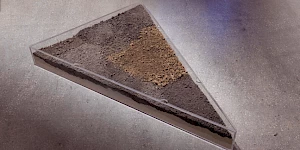
‘The Soils Project’ is part of an eponymous, long-term research initiative involving TarraWarra Museum of Art (Wurundjeri Country, Australia), the Van Abbemuseum (Eindhoven, Netherlands) and Struggles for Sovereignty, a collective based in Yogyakarta, Indonesia. It works through specific and situated practices that consider soil, as both metaphor and matter.
Seeking and facilitating opportunities to listen to diverse voices and perspectives around notions of caring for land, soil and sovereign territories, the project has been in development since 2018. An international collaboration between three organisations, and several artists, curators, writers and activists, it has manifested in various iterations over several years. The group exhibition ‘Soils’ at the Van Abbemuseum is part of Museum of the Commons. -
–VCRC
Kyiv Biennial 2023
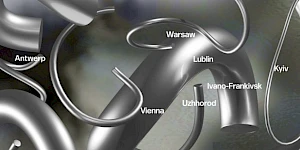
L’Internationale Confederation is a proud partner of this year’s edition of Kyiv Biennial.
-
–MACBA
Where are the Oases?
PEI OBERT seminar
with Kader Attia, Elvira Dyangani Ose, Max Jorge Hinderer Cruz, Emily Jacir, Achille Mbembe, Sarah Nuttall and Françoise VergèsAn oasis is the potential for life in an adverse environment.
-
MACBA
Anti-imperialism in the 20th century and anti-imperialism today: similarities and differences
PEI OBERT seminar
Lecture by Ramón GrosfoguelIn 1956, countries that were fighting colonialism by freeing themselves from both capitalism and communism dreamed of a third path, one that did not align with or bend to the politics dictated by Washington or Moscow. They held their first conference in Bandung, Indonesia.
-
–Van Abbemuseum
Maria Lugones Decolonial Summer School
Recalling Earth: Decoloniality and Demodernity
Course Directors: Prof. Walter Mignolo & Dr. Rolando VázquezRecalling Earth and learning worlds and worlds-making will be the topic of chapter 14th of the María Lugones Summer School that will take place at the Van Abbemuseum in Eindhoven.
-
–MSN Warsaw
Archive of the Conceptual Art of Odesa in the 1980s
The research project turns to the beginning of 1980s, when conceptual art circle emerged in Odesa, Ukraine. Artists worked independently and in collaborations creating the first examples of performances, paradoxical objects and drawings.
-
–Moderna galerijaZRC SAZU
Summer School: Our Many Easts
Our Many Easts summer school is organised by Moderna galerija in Ljubljana in partnership with ZRC SAZU (the Research Centre of the Slovenian Academy of Sciences and Arts) as part of the L’Internationale project Museum of the Commons.
-
–Moderna galerijaZRC SAZU
Open Call – Summer School: Our Many Easts
Our Many Easts summer school takes place in Ljubljana 24–30 August and the application deadline is 15 March. Courses will be held in English and cover topics such as the legacy of the Eastern European avant-gardes, archives as tools of emancipation, the new “non-aligned” networks, art in times of conflict and war, ecology and the environment.
-
–MACBA
Song for Many Movements: Scenes of Collective Creation
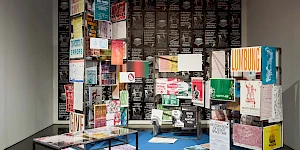
An ephemeral experiment in which the ground floor of MACBA becomes a stage for encounters, conversations and shared listening.
-
Museo Reina Sofia
Palestine Is Everywhere
‘Palestine Is Everywhere’ is an encounter and screening at Museo Reina Sofía organised together with Cinema as Assembly as part of Museum of the Commons. The conference starts at 18:30 pm (CET) and will also be streamed on the online platform linked below.
-
HDK-Valand
Book Launch: Collective Study in Times of Emergency, Gothenburg
with Nick Aikens (L'Internationale Online / HDK-Valand) and Mills Dray (HDK-Valand), 17h00, Glashuset
-
Moderna galerija
Book Launch: Collective Study in Times of Emergency, Ljubljana
with Nick Aikens (L'Internationale Online / HDK-Valand), Bojana Piškur (MG+MSUM) and Martin Pogačar (ZRC SAZU)
-
WIELS
Book Launch: Collective Study in Times of Emergency, Brussels
with Nick Aikens (L'Internationale Online / HDK-Valand), Subversive Film and Alex Reynolds, 19h00, Wiels Auditorium
-
–
Kyiv Biennial 2025
L’Internationale Confederation is proud to co-organise this years’ edition of the Kyiv Biennial.
-
–MACBA
Project a Black Planet: The Art and Culture of Panafrica
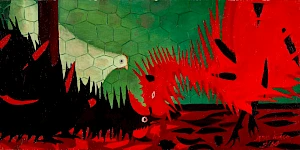
Curated by MACBA director Elvira Dyangani Ose, along with Antawan Byrd, Adom Getachew and Matthew S. Witkovsky, Project a Black Planet: The Art and Culture of Panafrica is the first major international exhibition to examine the cultural manifestations of Pan-Africanism from the 1920s to the present.
-
–M HKA
The Geopolitics of Infrastructure
The exhibition The Geopolitics of Infrastructure presents the work of a generation of artists bringing contemporary perspectives on the particular topicality of infrastructure in a transnational, geopolitical context.
-
–MACBAMuseo Reina Sofia
School of Common Knowledge 2025
The second iteration of the School of Common Knowledge will bring together international participants, faculty from the confederation and situated organizations in Barcelona and Madrid.
-
NCAD
Book Launch: Collective Study in Times of Emergency, Dublin
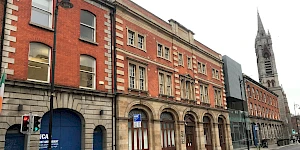
with Nick Aikens (L'Internationale Online / HDK-Valand) and members of the L'Internationale Online editorial board: Maria Berríos, Sheena Barrett, Sara Buraya Boned, Charles Esche, Sofia Dati, Sabel Gavaldon, Jasna Jaksic, Cathryn Klasto, Magda Lipska, Declan Long, Francisco Mateo Martínez Cabeza de Vaca, Bojana Piškur, Tove Posselt, Anne-Claire Schmitz, Ezgi Yurteri, Martin Pogacar, and Ovidiu Tichindeleanu, 18h00, Harry Clark Lecture Theatre, NCAD
-
–
Collective Study in Times of Emergency, Amsterdam
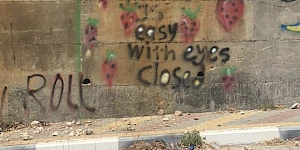
Within the context of ‘Every Act of Struggle’, the research project and exhibition at de appel in Amsterdam, L’Internationale Online has been invited to propose a programme of collective study.
-
Museo Reina Sofia
Poetry readings: Culture for Peace – Art and Poetry in Solidarity with Palestine
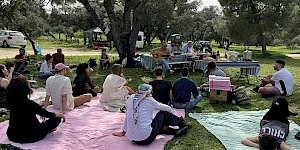
Casa de Campo, Madrid
-
WIELS
Collective Study in Times of Emergency, Brussels. Rana Issa and Shayma Nader
Join us at WIELS for an evening of fiction and poetry as part of L'Internationale Online's 'Collective Study in Times of Emergency' publishing series and public programmes. The series was launched in November 2023 in the wake of the onset of the genocide in Palestine and as a means to process its implications for the cultural sphere beyond the singular statement or utterance.
-
–Museo Reina Sofia
Study Group: Aesthetics of Peace and Desertion Tactics
In a present marked by rearmament, war, genocide, and the collapse of the social contract, this study group aims to equip itself with tools to, on one hand, map genealogies and aesthetics of peace – within and beyond the Spanish context – and, on the other, analyze strategies of pacification that have served to neutralize the critical power of peace struggles.
-
–MSN Warsaw
Near East, Far West. Kyiv Biennial 2025
The main exhibition of the 6th Kyiv Biennial 2025, titled Near East, Far West, is organized by a consortium of curators from L’Internationale. It features seven new artists’ commissions, alongside works from the collections of member institutions of L’Internationale and a number of other loans.
-
MACBA
PEI Obert: The Brighter Nations in Solidarity: Even in the Midst of a Genocide, a New World Is Being Born
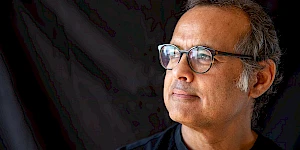
PEI Obert presents a lecture by Vijay Prashad. The Colonial West is in decay, losing its economic grip on the world and its control over our minds. The birth of a new world is neither clear nor easy. This talk envisions that horizon, forged through the solidarity of past and present anticolonial struggles, and heralds its inevitable arrival.
-
–M HKA
Homelands and Hinterlands. Kyiv Biennial 2025
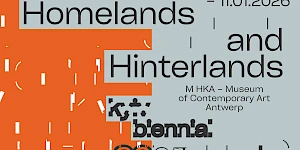
Following the trans-national format of the 2023 edition, the Kyiv Biennial 2025 will again take place in multiple locations across Europe. Museum of Contemporary Art Antwerp (M HKA) presents a stand-alone exhibition that acts also as an extension of the main biennial exhibition held at the newly-opened Museum of Modern Art in Warsaw (MSN).
In reckoning with the injustices and atrocities committed by the imperialisms of today, Kyiv Biennial 2025 reflects with historical consciousness on failed solidarities and internationalisms. It does this across an axis that the curators describe as Middle-East-Europe, a term encompassing Central Eastern Europe, the former-Soviet East and the Middle East.
-
HDK-Valand
MA Forum in collaboration with LIO: Nour Shantout
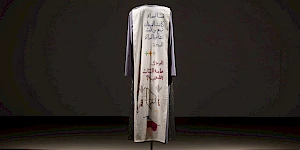
In this artist talk, Nour Shantout will present Searching for the New Dress, an ongoing artistic research project that looks at Palestinian embroidery in Shatila, a Palestinian refugee camp in Lebanon. Welcome!
-
MACBA
PEI Obert: Bodies of Evidence. A lecture by Ido Nahari and Adam Broomberg
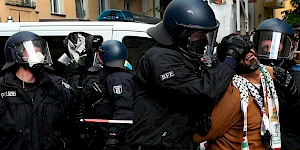
In the second day of Open PEI, writer and researcher Ido Nahari and artist, activist and educator Adam Broomberg bring us Bodies of Evidence, a lecture that analyses the circulation and functioning of violent images of past and present genocides. The debate revolves around the new fundamentalist grammar created for this documentation.
-
–
Everything for Everybody. Kyiv Biennial 2025
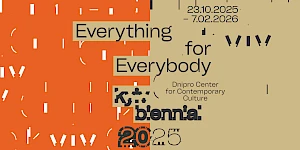
As one of five exhibitions comprising the 6th Kyiv Biennial 2025, ‘Everything for Everybody’ takes place in the Ukraine, at the Dnipro Center for Contemporary Culture.
-
–
In a Grandiose Sundance, in a Cosmic Clatter of Torture. Kyiv Biennial 2025
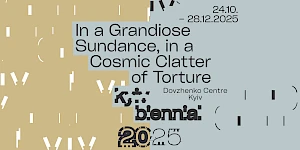
As one of five exhibitions comprising the 6th Kyiv Biennial 2025, ‘In a Grandiose Sundance, in a Cosmic Clatter of Torture’ takes place at the Dovzhenko Centre in Kyiv.
-
MACBA
School of Common Knowledge: Fred Moten
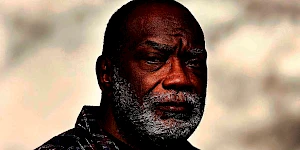
Fred Moten gives the lecture Some Prœposicions (On, To, For, Against, Towards, Around, Above, Below, Before, Beyond): the Work of Art. As part of the Project a Black Planet exhibition, MACBA presents this lecture on artworks and art institutions in relation to the challenge of blackness in the present day.
-
–MACBA
Visions of Panafrica. Film programme
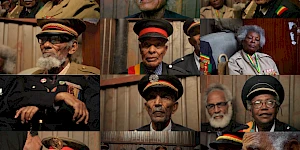
Visions of Panafrica is a film series that builds on the themes explored in the exhibition Project a Black Planet: The Art and Culture of Panafrica, bringing them to life through the medium of film. A cinema without a geographical centre that reaffirms the cultural and political relevance of Pan-Africanism.
-
MACBA
Farah Saleh. Balfour Reparations (2025–2045)
As part of the Project a Black Planet exhibition, MACBA is co-organising Balfour Reparations (2025–2045), a piece by Palestinian choreographer Farah Saleh included in Hacer Historia(s) VI (Making History(ies) VI), in collaboration with La Poderosa. This performance draws on archives, memories and future imaginaries in order to rethink the British colonial legacy in Palestine, raising questions about reparation, justice and historical responsibility.
-
MACBA
Project a Black Planet: The Art and Culture of Panafrica OPENING EVENT
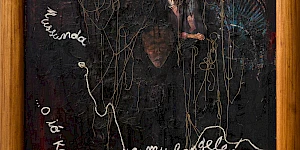
A conversation between Antawan I. Byrd, Adom Getachew, Matthew S. Witkovsky and Elvira Dyangani Ose. To mark the opening of Project a Black Planet: The Art and Culture of Panafrica, the curatorial team will delve into the exhibition’s main themes with the aim of exploring some of its most relevant aspects and sharing their research processes with the public.
-
MACBA
Palestine Cinema Days 2025: Al-makhdu’un (1972)
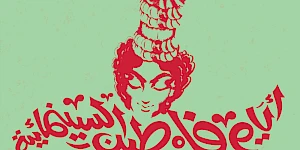
Since 2023, MACBA has been part of an international initiative in solidarity with the Palestine Cinema Days film festival, which cannot be held in Ramallah due to the ongoing genocide in Palestinian territory. During the first days of November, organizations from around the world have agreed to coordinate free screenings of a selection of films from the festival. MACBA will be screening the film Al-makhdu’un (The Dupes) from 1972.
-
Museo Reina Sofia
Cinema Commons #1: On the Art of Occupying Spaces and Curating Film Programmes
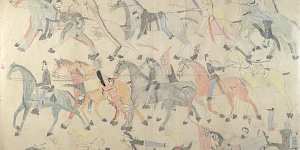
On the Art of Occupying Spaces and Curating Film Programmes is a Museo Reina Sofía film programme overseen by Miriam Martín and Ana Useros, and the first within the project The Cinema and Sound Commons. The activity includes a lecture and two films screened twice in two different sessions: John Ford’s Fort Apache (1948) and John Gianvito’s The Mad Songs of Fernanda Hussein (2001).
-
–
Vertical Horizon. Kyiv Biennial 2025
As one of five exhibitions comprising the 6th Kyiv Biennial 2025, ‘Vertical Horizon’ takes place at the Lentos Kunstmuseum in Linz, at the initiative of tranzit.at.
-
–
International Day of Solidarity with the Palestinian People: Activities
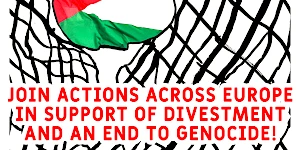
To mark International Day of Solidarity with the Palestinian People and in conjunction with our collective text, we, the cultural workers of L'Internationale have compiled a list of programmes, actions and marches taking place accross Europe. Below you will find programmes organized by partner institutions as well as activities initaited by unions and grass roots organisations which we will be joining.
This is a live document and will be updated regularly.
-
–SALT
Screening: A Bunch of Questions with No Answers
This screening is part of a series of programs and actions taking place across L’Internationale partners to mark International Day of Solidarity with the Palestinian People.
A Bunch of Questions with No Answers (2025)
Alex Reynolds, Robert Ochshorn
23 hours 10 minutes
English; Turkish subtitles -
HDK-Valand
MA Forum in collaboration with LIO: Adam Broomberg
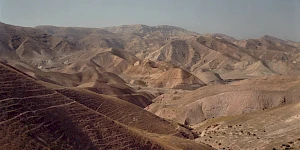
In this MA Forum we welcome artist Adam Broomberg. In his lecture he will focus on two photographic projects made in Israel/Palestine twenty years apart. Both projects use the medium of photography to communicate the weaponization of nature.
-
MACBA
PEI Obert: Until Liberation: A Collective Reading and Listening Session by Learning Palestine
PEI Obert presents a collective session with Learning Palestine. At this historical juncture – amid the ongoing genocide in Gaza and the censorship and repression of all things Palestinian – Learning Palestine invites us to gather not only in refusal but also in affirmation.
Related contributions and publications
-
Editorial: Towards Collective Study in Times of Emergency
L’Internationale Online Editorial BoardEN es sl tr arInternationalismsStatements and editorialsPast in the Present -
…and the Earth along. Tales about the making, remaking and unmaking of the world.
Martin PogačarLand RelationsClimatePast in the Present -
The Kitchen, an Introduction to Subversive Film with Nick Aikens, Reem Shilleh and Mohanad Yaqubi
Nick Aikens, Subversive FilmSonic and Cinema CommonslumbungPast in the PresentVan Abbemuseum -
The Repressive Tendency within the European Public Sphere
Ovidiu ŢichindeleanuInternationalismsPast in the Present -
Rewinding Internationalism
InternationalismsVan Abbemuseum -
Troubles with the East(s)
Bojana PiškurInternationalismsPast in the Present -
Right now, today, we must say that Palestine is the centre of the world
Françoise VergèsInternationalismsPast in the Present -
Body Counts, Balancing Acts and the Performativity of Statements
Mick WilsonInternationalismsPast in the Present -
Until Liberation I
Learning Palestine GroupInternationalismsPast in the Present -
Until Liberation II
Learning Palestine GroupInternationalismsPast in the Present -
The Veil of Peace
Ovidiu ŢichindeleanuPast in the Presenttranzit.ro -
Opening Performance: Song for Many Movements, live on Radio Alhara
Jokkoo with/con Miramizu, Rasheed Jalloul & Sabine SalaméEN esInternationalismsSonic and Cinema CommonsPast in the PresentMACBA -
Siempre hemos estado aquí. Les poetas palestines contestan
Rana IssaEN es tr arInternationalismsPast in the Present -
Indra's Web
Vandana SinghLand RelationsPast in the PresentClimate -
Diary of a Crossing
Baqiya and Yu’adInternationalismsPast in the Present -
The Silence Has Been Unfolding For Too Long
The Free Palestine Initiative CroatiaInternationalismsPast in the PresentSituated OrganizationsInstitute of Radical ImaginationMSU Zagreb -
En dag kommer friheten att finnas
Françoise Vergès, Maddalena FragnitoEN svInternationalismsLand RelationsClimateInstitute of Radical Imagination -
Everything will stay the same if we don’t speak up
L’Internationale ConfederationEN caInternationalismsStatements and editorials -
War, Peace and Image Politics: Part 1, Who Has a Right to These Images?
Jelena VesićInternationalismsPast in the PresentZRC SAZU -
Live set: Una carta de amor a la intifada global
PrecolumbianEN esInternationalismsSonic and Cinema CommonsPast in the PresentMACBA -
Cultivating Abundance
Åsa SonjasdotterLand RelationsClimatePast in the Present -
Rethinking Comradeship from a Feminist Position
Leonida KovačSchoolsInternationalismsSituated OrganizationsMSU ZagrebModerna galerijaZRC SAZU -
Reading list - Summer School: Our Many Easts
Summer School - Our Many EastsSchoolsPast in the PresentModerna galerija -
The Genocide War on Gaza: Palestinian Culture and the Existential Struggle
Rana AnaniInternationalismsPast in the Present -
Klei eten is geen eetstoornis
Zayaan KhanEN nl frLand RelationsClimatePast in the Present -
Dispatch: ‘I don't believe in revolution, but sometimes I get in the spirit.’
Megan HoetgerSchoolsPast in the Present -
Dispatch: Notes on (de)growth from the fragments of Yugoslavia's former alliances
Ava ZevopSchoolsPast in the Present -
Glöm ”aldrig mer”, det är alltid redan krig
Martin PogačarEN svLand RelationsPast in the Present -
Broadcast: Towards Collective Study in Times of Emergency (for 24 hrs/Palestine)
L’Internationale Online Editorial Board, Rana Issa, L’Internationale Confederation, Vijay PrashadInternationalismsSonic and Cinema Commons -
Beyond Distorted Realities: Palestine, Magical Realism and Climate Fiction
Sanabel Abdel RahmanEN trInternationalismsPast in the PresentClimate -
Collective Study in Times of Emergency. A Roundtable
Nick Aikens, Sara Buraya Boned, Charles Esche, Martin Pogačar, Ovidiu Ţichindeleanu, Ezgi YurteriInternationalismsPast in the PresentSituated Organizations -
Present Present Present. On grounding the Mediateca and Sonotera spaces in Malafo, Guinea-Bissau
Filipa CésarSonic and Cinema CommonsPast in the Present -
Collective Study in Times of Emergency
InternationalismsPast in the Present -
S come Silenzio
Maddalena FragnitoEN itInternationalismsSituated Organizations -
ميلاد الحلم واستمراره
Sanaa SalamehEN hr arInternationalismsPast in the Present -
عن المكتبة والمقتلة: شهادة روائي على تدمير المكتبات في قطاع غزة
Yousri al-GhoulEN arInternationalismsPast in the Present -
Archivos negros: Episodio I. Internacionalismo radical y panafricanismo en el marco de la guerra civil española
Tania Safura AdamEN esInternationalismsPast in the Present -
Re-installing (Academic) Institutions: The Kabakovs’ Indirectness and Adjacency
Christa-Maria Lerm HayesInternationalismsPast in the Present -
Palma daktylowa przeciw redeportacji przypowieści, czyli europejski pomnik Palestyny
Robert Yerachmiel SnidermanEN plInternationalismsPast in the PresentMSN Warsaw -
Masovni studentski protesti u Srbiji: Mogućnost drugačijih društvenih odnosa
Marijana Cvetković, Vida KneževićEN rsInternationalismsPast in the Present -
No Doubt It Is a Culture War
Oleksiy Radinsky, Joanna ZielińskaInternationalismsPast in the Present -
Cinq pierres. Une suite de contes
Shayma NaderEN nl frInternationalisms -
Dispatch: As Matter Speaks
Yeongseo JeeInternationalismsPast in the Present -
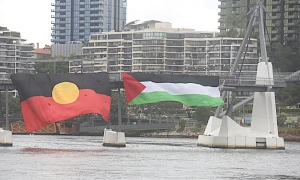
Speaking in Times of Genocide: Censorship, ‘social cohesion’ and the case of Khaled Sabsabi
Alissar SeylaInternationalisms -
Reading List: Summer School, Landscape (post) Conflict
Summer School - Landscape (post) ConflictSchoolsLand RelationsPast in the PresentIMMANCAD -
Today, again, we must say that Palestine is the centre of the world
Françoise VergèsInternationalisms -
Isabella Hammad’ın icatları
Hazal ÖzvarışEN trInternationalisms -
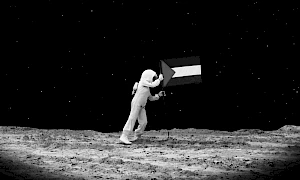
To imagine a century on from the Nakba
Behçet ÇelikEN trInternationalisms -
Internationalisms: Editorial
L'Internationale Online Editorial BoardInternationalisms -
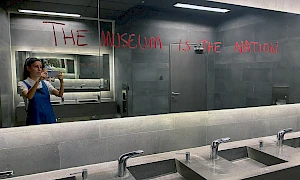
Dispatch: Institutional Critique in the Blurst of Times – On Refusal, Aesthetic Flattening, and the Politics of Looking Away
İrem GünaydınInternationalisms -
Until Liberation III
Learning Palestine GroupInternationalismsPast in the Present -
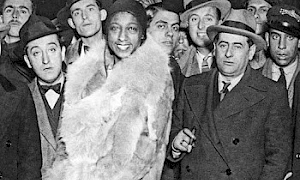
Archivos negros: Episodio II. Jazz sin un cuerpo político negro
Tania Safura AdamEN esInternationalismsPast in the Present -
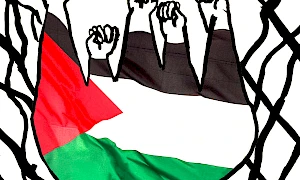
Cultural Workers of L’Internationale mark International Day of Solidarity with the Palestinian People
Cultural Workers of L’InternationaleEN es pl roInternationalismsSituated OrganizationsPast in the PresentStatements and editorials -
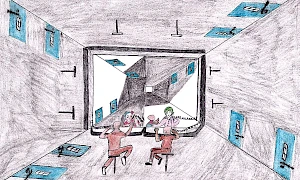
Poetry Against Language Dioxide
Rana IssaInternationalisms -
The Object of Value
SlinkoInternationalismsLand Relations