Siempre hemos estado aquí. Les poetas palestines contestan
Como parte del proyecto de publicación “Hacia un estudio colectivo en tiempos de emergencia”, la traductora y escritora Rana Issa recopila y presenta una selección de poemas palestinos. Issa destaca poetas que viven y trabajan en Palestina, desde los contextos de los años 40 del siglo pasado y el tiempo de la nakba, pasando por los años 70 y hasta aquelles que escriben en Gaza hoy.
Desde los primeros días del despojo, les palestines han reflejado en la poesía su difícil situación. Existe una larga tradición en este sentido en el mundo árabe que, desde mucho antes del nacimiento del islam, ha considerado la poesía como un diwan, es decir, un registro histórico. A diferencia de la historiografía, por la que también son célebres les árabes, la poesía es un dispositivo mnemotécnico que penetra en la conciencia de las personas, capta y moldea su estado afectivo. Les poetas palestines también son poetas árabes y encuentran inspiración en una tradición poética que es extiende a anchas geografías y que antecede con mucho al proyecto sionista. Les palestines escriben una poesía de resistencia, que consagra la poesía como diwan y como protesta contra la opresión. Además de producirla, la aprenden y la memorizan. A través de ella, cultivan su imaginación política y preservan su espíritu colectivo.
Los poemas que he seleccionado reflejan estos rasgos de la poesía palestina, son una respuesta directa a la aniquilación constante del pueblo palestino. La selección no pretende ser una muestra representativa de la poesía palestina ni del enorme legado de escritos de autores no palestines sobre Palestina. De hecho, no incluye muchas voces importantes de la diáspora ni tampoco a grandes poetas radicales no palestines que han escrito sobre Palestina en árabe y en otros idiomas. En su lugar, he decidido incluir a poetas que han escrito desde Palestina, como un modesto gesto de solidaridad hacia las luchas históricas y presentes por la tierra. La excepción es la obra de Kamal Nasser, que estaba exiliado en Beirut cuando los israelís lo asesinaron en 1973. A través de Nasser, apelo a la necesidad de profundizar en la historia cuando hablamos de Palestina. Nasser forma parte del legado de poetas palestines que fueron objeto de persecución, encarcelamiento o asesinato por parte de les colonizadores (tanto britániques como israelís) y que se remonta a Nuh Ibrahim (encarcelado en varias ocasiones por los británicos por su poesía y muerto en combate en 1938), pero incluye a poetas famoses como Mahmud Darwish, Tawfiq Zayyad, Nasser Abu Srour, Dareen Tatour (incluida aquí) y muches otres. Les poetas a veces también mueren en combate. Tal fue el destino de Abdel Rahim Mahmud, que murió durante el año de la Nakba, pero los hay que mueren como víctimas civiles, víctimas de la violencia israelí, que tiene especial empeño en atacar a civiles e infraestructuras civiles. Durante esta guerra, hemos llorado la pérdida de la poeta gazatí Hiba Abu Nada, asesinada en octubre. He incluido un poema de Abu Nada que cuestiona la idea generalizada entre les palestines de que la poesía es una herramienta eficaz de lucha. También estamos de luto por les trece poetas que han muerto en Gaza desde el comienzo de esta guerra y no nos cabe duda que hemos perdido a otres poetas aún no contabilizades. No les atacaron porque fueran poetas, sino simplemente porque eran habitantes de Gaza.
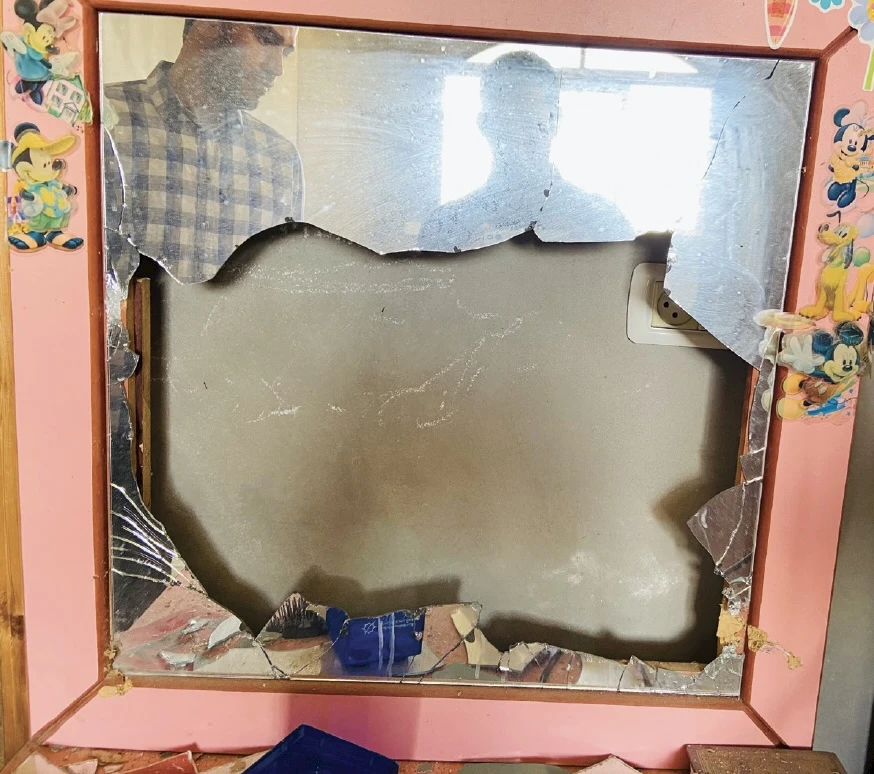
Mosab Abu Toha, "¿Dónde está el resto de mí? Destrozado", febrero de 2024
Hiba Abu Nada
Traducción del árabe al castellano de Ziad Chakaroun y revisada por Fernando Renjifo
Conocí la obra de Hiba Abu Nada a través de las excelentes traducciones de mi estimada compañera Huda Fakhreddine, profesora asociada de Literatura Árabe en la Universidad de Pensilvania especializada en poesía. Huda se embarcó en la traducción de varies poetas palestines durante esta guerra y la obra de Hiba ocupó un lugar destacado. Hiba fue una poeta y premiada novelista. Su novela, El oxígeno no es para los muertos, aún no está traducida. Enterarme de la muerte de esta brillante escritora, asesinada por un ataque aéreo en Jan Yunis el 20 de octubre de 2023, fue terriblemente desgarrador. Murió cinco días antes del cumpleaños de mi hija. Desde que comenzó el genocidio, no hemos celebrado ningún festejo, pues el dolor, tan abrumador, y la masacre, incesante hasta la desesperación, no dejan lugar para un atisbo de felicidad. Ay de nosotres, que descubrimos a nuestres poetas cuando mueren víctimas del genocidio. ¿Cómo nos recuperamos de una pérdida tan atroz? De los muchos poemas maravillosos que ha traducido Fakhreddine, he decidido incluir este para interpelar a le lectore complaciente que quizá se contentaría con protestar contra el genocidio a través del potencial radical de la poesía. La poesía no es una herramienta eficaz de resistencia en sí y por sí sola. Su potencial revolucionario extrae su energía de las calles y del coraje de les oprimides.
¡Ármate de ti misma, patria mía!
¡Qué solos estamos!
Todos ganaron sus guerras,
y a ti te dejaron frente a tu barro, desnuda.
¡Oh, Darwish, ningún verso le devolverá al solitario lo que perdió!
Lo que se perdió.
¡Qué solos estamos!
Es este otro tiempo bárbaro,
maldito sea quien nos dividió con la guerra
y acudió a tu funeral.
¡Qué solos estamos!
El mundo se ha vuelto un mercado libre,
y tu vasta tierra
otra subasta legitimada.
¡Qué solos estamos!
Es este otro tiempo bárbaro,
nadie vendrá en nuestro auxilio.
¡Qué solos estamos!
Enjuga tus poemas,
los viejos, los nuevos
y enjuga el llanto.
¡Y ármate de ti misma, patria mía!
Najwan Darwish
Traducción del árabe al castellano de Ziad Chakaroun y revisada por Fernando Renjifo
Agradezco la amistad que me une desde hace más de una década al poeta de Jerusalén Najwan Darwish. Najwan formaba parte de un pequeño grupo de artistas palestines con quienes entablé una estrecha amistad cuando decidí dejar el Líbano y exiliarme en Noruega. Más allá del continuo derramamiento de sangre, entre los rasgos que caracterizan nuestro ser palestines destacan tanto la prohibición de nuestro movimiento como nuestra capacidad para encontrarnos y conocernos. Esta prohibición nos afecta a nivel social, cultural y personal. Como hija de madre palestina refugiada, me ha sorprendido a menudo la sensación de orfandad con la que crecí, añorando a tantes familiares palestines dispersades, encarcelades, apartades, enloquecides o asesinades antes de que yo naciera.
En mi exilio, la posibilidad de conocer a otres palestines cobró un valor incalculable para mí. Cuando lo conocí, Najwan era un poeta emergente. Hoy, es una de las voces literarias más destacadas de Palestina. Además de haber escrito varios libros de poesía galardonados y traducidos a más de veinte idiomas, es editor jefe de la sección de cultura de al-Arabi al-Jadid y productor activo de festivales culturales y plataformas artísticas árabes y palestinas, con un comprometido interés hacia las voces emergentes de Palestina. Varies son les traductores de su obra, entre les cuales destaca el galardonado traductor egipcio-estadounidense Kareem Abou Zeid, quien ha trabajado con Najwan en varios libros de poesía. Este poema, que cuenta con una magnífica traducción de Kareem al inglés, capta el miedo intrínseco de les palestines a la aniquilación, que se ha convertido en una sombra para nosotres. Najwan escribió este poema hace unos doce años, mucho antes del genocidio que estamos presenciando ahora en Gaza. Lo elegí por la forma en que describe la experiencia de ser palestine en Jerusalén y Cisjordania.
Fobia
Me echarán de la ciudad antes de que caiga la noche,
dicen que no he pagado la factura del aire,
ni he abonado el alquiler de la luz.
Me echarán de la ciudad antes de que llegue el atardecer,
dicen que no pagué el arriendo del sol, ni las cuotas de las nubes.
Me echarán de la ciudad antes del amanecer,
porque perseveré en provocar a la noche y no entoné alabanzas a las estrellas.
Me echarán de la ciudad antes de nacer,
porque pasé siete meses acechando la existencia y escribiendo poesía.
Me echarán del ser,
porque me declaro del lado de la nada.
Y me echarán de la nada,
porque tengo vínculos sospechosos con el ser.
Me echarán del ser y de la nada,
porque soy hijo del devenir.
Me echarán.
Sheikha Hlewa
Traducción del árabe al castellano de Ziad Chakaroun y revisada por Fernando Renjifo
Les palestines somos un pueblo orgulloso. Durante esta guerra, me he descubierto sufriendo por personas en Gaza (niñes y adultas por igual) que se indignaban al verse grabadas en vídeo en un estado de privación. No quieren que se las recuerde así y se lo dicen a la persona de detrás de la cámara, quien, aun así, no respeta su privacidad y sube a las redes sociales sus protestas. Probablemente, a la persona de detrás de la cámara le mueve la injusticia de tamaña desgracia y quiere transmitir esa injusticia con la esperanza de que así tal vez los monstruos se hagan más humanos. Con el corazón en llamas por lo que mis ojos ven y lo que mis oídos escuchan, contemplo hasta qué punto nos han vulnerado, hasta qué punto ya no tenemos el poder de evitar que nuestra pauperización se convierta en un espectáculo. El dolor de la sobreexposición de nuestro estado debilitado al mundo me hizo elegir este poema de la poeta, novelista y escritora de cuentos palestina beduína Sheikha Hlewa. Hacer bromas con la Nakba y domar el dolor que genera persistentemente en nosotres supone arremeter contra el concepto organizador de ser palestine. Esta irreverencia constituye un impulso decisivo que hay que preservar para no convertir los pilares de nuestro relato en un dogma.
Hlewa es una galardonada escritora residente en Haifa y poco conocida fuera de Palestina. Con frecuencia tal es el destino de les autores palestines que escriben en árabe y viven dentro de las fronteras de 1948 del Estado colono. Al igual que mi propia familia, la escena literaria árabe ha estado históricamente apartada de les palestines que nunca abandonaron su tierra natal. Me encontré por primera vez con este poema a través de la traducción del galardonado poeta, traductor y médico palestino-estadounidense Fady Joudah. Además de ser un poeta palestino que escribe en inglés, con una sensibilidad asombrosa, Joudah es comisario y traductor comprometido de poetas palestines y siries y su obra me ha introducido a muches escritores que empecé a leer y seguir gracias a él.
La Nakba
Mi madre es tres años menor que la Nakba.
Y para ella, nadie es mayor.
Todavía baja a Dios de su trono dos veces al día
y se reconcilia con él por la intercesión de la voz de Abdel Baset recitando el Corán.
Mi madre no soporta a las mujeres dóciles.
Y nunca Jamás ha hablado de la Nakba.
Si la Nakba fuera su vecina, la habría reprendido sin rodeos:
"¡Por Dios, estoy harta hasta de la ropa que llevo puesta!"
Si la Nakba fuera su hermana mayor,
la habría lisonjeado llevándole un plato de gebáise.
Y si se quejara demasiado, la habría hecho callar:
"¡Basta ya! ¡Ya me perforaste el cerebro! ¿Y encima ofendida porque no te visito?"
Y si la Nakba fuera una vieja amiga suya,
habría aguantado sus estupideces hasta el momento de su muerte
pero la habría sepultado, aún joven, en el muro de los que se fueron,
en el muro con el que se purifica antes de sentarse a ver su series turcas.
Y si la Nakba fuera una anciana judía
la habría cuidado los sábados,
le habría bromeado en un hebreo hermoso:
"¡Oh, descarada! ¡Aún tienes el alma libidinosa!"
Y si la Nakba fuera menor que mi madre,
le habría escupido en la cara y le habría dicho:
"¡Recoge a tus hijos y vete de aquí, sinvergüenza!"
– Yafa
Mosab Abu Toha
Traducción del inglés al castellano de Zenobia
Había oído hablar del poeta gazatí Mosab Abu Toha y de la Biblioteca Edward Said en Gaza a través de mi amiga, la poeta y traductora estadounidense Marilyn Hacker. Pero no descubrí su poesía hasta que viajé a Nueva York a principios de este año y me encontré con el libro Things You May Find Hidden in my Ear [Cosas que tal vez encuentres ocultas en mi oído] (City Lights Publishers, 2022) en la librería Unnamable de Brooklyn. Compré el libro de inmediato, a pesar de mi escepticismo hacia las razones comerciales por las cuales la poesía que habla de la guerra se pone en el candelero. Resultó ser una de las experiencias poéticas más gratificantes que he tenido últimamente. El poeta escribe en inglés y ha estudiado en destacadas universidades de Estados Unidos. Vivió en Gaza hasta esta guerra, durante la cual fue secuestrado por las fuerzas de ocupación israelíes y liberado gracias a la presión internacional, para convertirse a continuación en refugiado junto a su familia en Egipto. Le leí a mi pareja poemas de este libro y le regalé el ejemplar a una querida amiga escritora de Nueva York. Compré un nuevo ejemplar para llevármelo a Oslo y leer esta hermosa recopilación con mi hija. Elegí este poema como parte de la selección para rendir homenaje a todes les poetas que, como Audre Lorde, defienden Palestina y escriben sobre ella. Hace unos años, traduje al árabe el poema de Lorde en el que se inspira Abu Toha, con motivo del asesinato del intelectual y editor libanés Lokman Slim a manos de agentes de Hezbolá apoyados por Irán en el sur del Líbano. La referencia que hace Abu Toha a este poema cuestiona el famoso final de Lorde y añade una valiosa perspectiva sobre cómo abordar la censura. Tal y como él sugiere, no hemos callado ante la censura, sino que hemos sido silenciades, pues quienes son cómplices de nuestra censura han renunciado a su capacidad de escuchar.
Letanía por una tierra
a partir de Audre Lorde
Para quienes viven al otro lado,
podemos veros, podemos ver la lluvia
caer sobre vuestros (nuestros) campos, sobre vuestros (nuestros) valles
y deslizarse por los tejados de vuestras casas “modernas”
(construidas sobre las nuestras).
¿Podéis quitaros las gafas de sol y mirarnos aquí,
ver cómo la lluvia ha inundado nuestras calles,
cómo un penoso aguacero ha perforado
los paraguas de las criaturas de camino a la escuela?
Los árboles que veis están regados con nuestras lágrimas.
No dan fruto.
Las rojas rosas toman su color de nuestra sangre.
Huelen a muerte.
El río que nos separa de vosotros no es más que
un espejismo creado cuando nos expulsasteis
¡ES UNA SOLA TIERRA!
Para quienes estáis al otro lado,
disparándonos, escupiéndonos,
¿cuánto tiempo podéis permanecer ahí, cercados por el odio?
¿Vais a seguir con las gafas oscuras puestas hasta que
ya no podáis quitároslas?
Pronto ya no estaremos aquí para que nos veáis
No importará si pestañeáis o no,
si podéis estar o no.
No cruzaréis ese río
para acaparar más tierras
porque os desvaneceréis en vuestro espejismo.
No podéis construir una nueva colonia sobre nuestras tumbas.
Y cuando muramos,
nuestros huesos seguirán creciendo
hasta alcanzar y entrelazarse con las raíces del olivo
y de los naranjos, hasta bañarse en el dulce mar de Yaffa.
Un día volveremos a nacer cuando no estéis allí.
Porque esta tierra nos conoce. Es nuestra madre.
Cuando morimos, solo estamos descansando en su vientre
hasta que se aclare la oscuridad.
Para quienes ya NO están,
hemos estado aquí siempre.
Hablábamos pero vosotros
nunca os molestasteis en escuchar.
Kamal Nasser
Traducción del árabe al castellano de Ziad Chakaroun y revisada por Fernando Renjifo
Kamal Nasser solía decir que le asustaba demasiado tomar las armas en su lucha por Palestina. El bolígrafo era su arma preferida. Nacido en 1924 en Gaza y criado en Bir Zeit, cerca de Ramala, Nasser se licenció en la Universidad Americana de Beirut y trabajó inicialmente como profesor de árabe y más tarde como abogado, antes de dedicarse a una vida de periodismo y activismo político. Fue elegido para integrar el Comité Ejecutivo de la OLP y dirigió su oficina de información, hasta que en 1969 se convirtió en portavoz de la organización. Nasser murió asesinado el 10 de abril de 1973 en la calle Verdún de Beirut, en una operación del Mossad dirigida por Ehud Barak, que se convertiría en primer ministro de Israel en 1999. En este poema, Nasser describe el silencio lacerante que sigue a un ataque genocida en una ciudad sin nombre. El poema está fechado, algo poco habitual en él. Este detalle me llevó a preguntarme si no habría alguna masacre poco conocida que se correspondiera con aquella fecha. No encontré ninguna. ¿Se referiría a los niveles de masacre y destrucción de ciudades palestinas que presenció en 1948? ¿O estaba viendo el futuro y nuestro presente, la manera en la cual la ciudad que le vio nacer se convertiría en una ciudad de muerte?
La luz verde
Y caminé por la ciudad de los muertos,
pisando mi propia sombra,
preguntando a las ruinas asesinadas
sobre mi patria y mi gente.
Me horroriza este silencio, este letargo,
me asombra la palidez cuya sombra se extiende cual escombros
que me envuelven,
que me cubren... mientras camino por la ciudad de los muertos.
⬳⬳⬳
No vine a otorgar vida
a mi ciudad, ni vine a reunir lo disperso.
La gran partida cayó
en el campo de lo perdido,
para que yo encienda el volcán
al anunciar que me sobrepondré y que regresaré.
Aunque nadie me acepte.
⬳⬳⬳
Regresé de mi ciudad, la ciudad del engaño y la ingratitud,
mi corazón roto por sus escombros y por su grandeza abortada,
para escuchar, en mi interior, la pregunta sobre el ser y la desaparición.
¿Qué querías ser…? ¿Qué querías ser?
Y el eco resonó dentro de mí… Quería ser… quería ser.
¿Qué querías ser?
⬳⬳⬳
Quieres romper el hielo… quieres vivir como deseas,
y volví a escuchar en mi interior el eco gritar con locura:
¿eres lo que quieres? ¿Fuiste lo que querías?
Y no sabía que regresaría a ella… regresaría a mi ciudad…
15/10/1965
Dareen Tatour
Traducción del árabe al castellano de Ziad Chakaroun y revisada por Fernando Renjifo
Por escribir este poema, Dareen Tatour, nacida en Nazaret, fue detenida y acusada de incitación a la violencia y apoyo a una organización terrorista el 11 de octubre de 2015. Pasó tres años entre la detención administrativa y el arresto domiciliario, hasta que finalmente la presión internacional logró su puesta en libertad. La fiscalía israelí construyó una acusación sin pies ni cabeza (y con un montón de profesores de literatura) a fin de desacreditar a Tatour como poeta. Este juicio fue lo que impulsó a la palestino-estadounidense Noor Hindi a escribir su famoso poema “A la mierda tus lecciones sobre artesanía, mi gente está muriendo”. El Estado colono, al igual que muchas otras administraciones colonas y potencias coloniales, se queda petrificado ante el derecho de un pueblo a defenderse a sí mismo. Reconocer este derecho equivale a reconocer las condiciones que llevan a un pueblo a resistir. Evidentemente, la sociedad israelí está en la actualidad demasiado radicalizada para semejante acto de reconocimiento. Esto nos deja a les palestines sin otra opción que seguir resistiendo, ya que en este acto nos ponemos en peligro, pero también volvemos a nosotres mismes. Mediante la resistencia, nos convertimos en palestines, un pueblo que rechaza las estructuras de opresión que nos atenazan. Tariq al-Haydar, también poeta y artista, tradujo este poema en solidaridad con la difícil situación de Tatour, en un gesto de activismo literario comprometido con el rescate de una de las nuestras de las garras de los agresores. Se puede escuchar el poema en la voz de la poeta aquí.
¡Resiste, mi pueblo, resísteles!
Resiste, mi pueblo, resísteles,
en mi Jerusalén curé mis heridas,
y me quejé a Dios.
Llevé mi alma en mi mano,
por la Palestina árabe.
No aceptaré la solución pacífica
y nunca bajaré mi bandera
hasta expulsarlos de mi tierra
y doblegarlos en un tiempo venidero.
Resiste, mi pueblo, resísteles,
resiste la avidez del colonizador,
y súmate a la caravana de los mártires.
Desgarra la Constitución de la vergüenza,
que llevó consigo la humillación cruel
y nos impidió exigir nuestros derechos.
Resiste, mi pueblo, resísteles,
han quemado a niños inocentes sin culpa alguna,
y a Hadíl le dispararon en público,
la asesinaron a plena luz del día.
Resiste, mi pueblo, resísteles,
resístete a las malicias de los infiltrados.
No escuches las voces de la culpa
atada a una paz engañosa.
No temas las lenguas de fuego de los tanques Merkava,
pues la verdad en tu corazón es más fuerte,
mientras sigas resistiendo en una tierra
que ha sobrevivido invasiones incesantes.
Ali gritó desde su tumba:
resiste, oh mi pueblo rebelde
y escríbeme en prosa en madera de agar,
pues ahora soy la respuesta para los mártires.
Resiste, mi pueblo, resísteles.
Related contributions and publications
-
Editorial: Towards Collective Study in Times of Emergency
L’Internationale Online Editorial BoardEN es sl tr arInternationalismsStatements and editorialsPast in the Present -
…and the Earth along. Tales about the making, remaking and unmaking of the world.
Martin PogačarLand RelationsClimatePast in the Present -
The Kitchen, an Introduction to Subversive Film with Nick Aikens, Reem Shilleh and Mohanad Yaqubi
Nick Aikens, Subversive FilmSonic and Cinema CommonslumbungPast in the PresentVan Abbemuseum -
The Repressive Tendency within the European Public Sphere
Ovidiu ŢichindeleanuInternationalismsPast in the Present -
Rewinding Internationalism
InternationalismsVan Abbemuseum -
Troubles with the East(s)
Bojana PiškurInternationalismsPast in the Present -
Right now, today, we must say that Palestine is the centre of the world
Françoise VergèsInternationalismsPast in the Present
Related activities
-
–Van Abbemuseum
The Soils Project
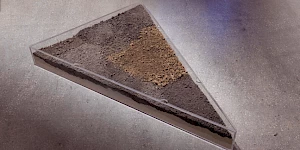
‘The Soils Project’ is part of an eponymous, long-term research initiative involving TarraWarra Museum of Art (Wurundjeri Country, Australia), the Van Abbemuseum (Eindhoven, Netherlands) and Struggles for Sovereignty, a collective based in Yogyakarta, Indonesia. It works through specific and situated practices that consider soil, as both metaphor and matter.
Seeking and facilitating opportunities to listen to diverse voices and perspectives around notions of caring for land, soil and sovereign territories, the project has been in development since 2018. An international collaboration between three organisations, and several artists, curators, writers and activists, it has manifested in various iterations over several years. The group exhibition ‘Soils’ at the Van Abbemuseum is part of Museum of the Commons. -
–VCRC
Kyiv Biennial 2023
L’Internationale Confederation is a proud partner of this year’s edition of Kyiv Biennial.
-
–MACBA
Where are the Oases?
PEI OBERT seminar
with Kader Attia, Elvira Dyangani Ose, Max Jorge Hinderer Cruz, Emily Jacir, Achille Mbembe, Sarah Nuttall and Françoise VergèsAn oasis is the potential for life in an adverse environment.
-
MACBA
Anti-imperialism in the 20th century and anti-imperialism today: similarities and differences
PEI OBERT seminar
Lecture by Ramón GrosfoguelIn 1956, countries that were fighting colonialism by freeing themselves from both capitalism and communism dreamed of a third path, one that did not align with or bend to the politics dictated by Washington or Moscow. They held their first conference in Bandung, Indonesia.
-
–Van Abbemuseum
Maria Lugones Decolonial Summer School
Recalling Earth: Decoloniality and Demodernity
Course Directors: Prof. Walter Mignolo & Dr. Rolando VázquezRecalling Earth and learning worlds and worlds-making will be the topic of chapter 14th of the María Lugones Summer School that will take place at the Van Abbemuseum in Eindhoven.
-
–MSN Warsaw
Archive of the Conceptual Art of Odesa in the 1980s
The research project turns to the beginning of 1980s, when conceptual art circle emerged in Odesa, Ukraine. Artists worked independently and in collaborations creating the first examples of performances, paradoxical objects and drawings.